Trump’s Proposal on the Strait of Hormuz: Evaluating U.S. Control
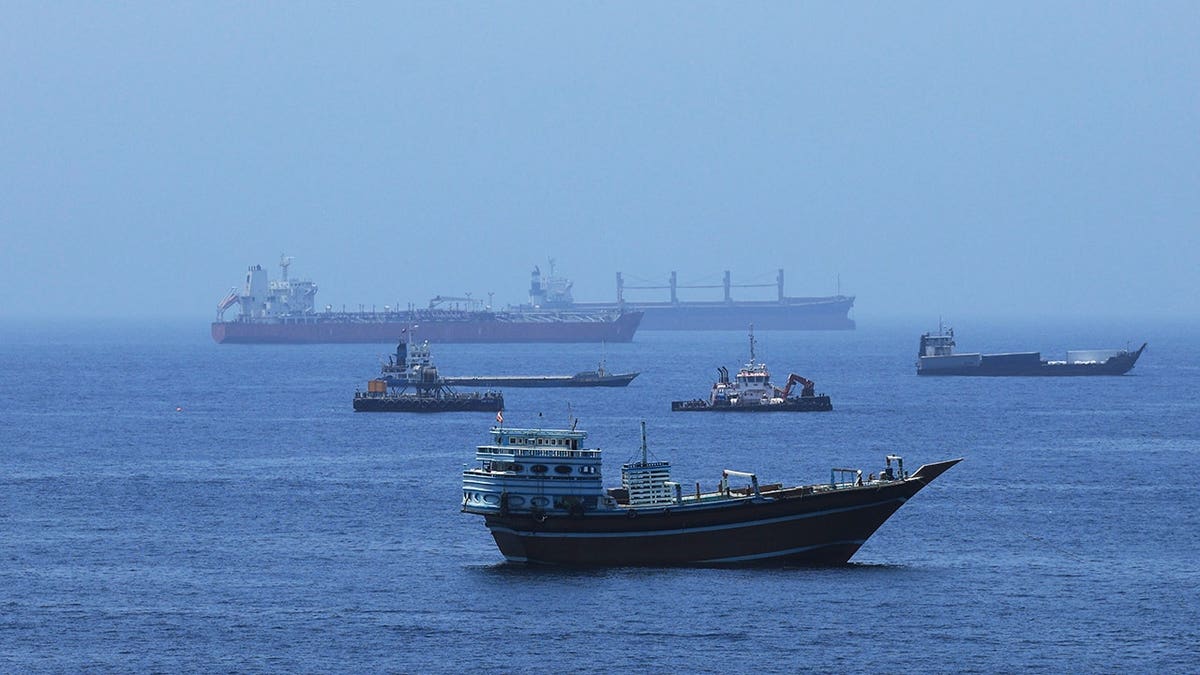
President Donald Trump has proposed declaring the Strait of Hormuz as U.S. territory, aiming to secure vital oil passages against Iranian influence. This move is seen as a strategy to assert control over the strait, which is crucial for global oil shipments.
Legal and Economic Implications
Samir Kapadia discussed potential legal pathways and economic risks on ‘Mornings with Maria.’ He examined possible maritime tolls and how U.S. sanctions could impact Middle Eastern trade.
The Trump administration reiterated that Iran does not control passage through the Strait of Hormuz, a critical international waterway.
U.S. Central Command, represented by Capt. Tim Hawkins, emphasized the strait’s status as an international waterway, noting U.S. military assistance for commercial vessels.
Proposed Framework and Challenges
The situation evolved as Iran and Oman put forward a framework to potentially exclude military vessels from the strait. The framework, if finalized, could limit U.S. warship access. The White House has not responded to whether President Trump would accept such restrictions.
While U.S. forces have facilitated the passage of nearly 1,500 vessels since early May, the administration consistently opposed Iranian attempts to control the strait. Secretary of State Marco Rubio labeled toll proposals illegal, and Trump threatened Oman should it interfere.
Iran’s Diplomatic Moves
Iranian Foreign Minister Abbas Araghchi held talks with Omani officials to explore reopening strategies. Despite military and economic pressure from the U.S., which included targeting Iranian military sites and enforcing port blockades, oil flow through the strait dwindled from over 20 million barrels per day to around 5 million.
Iran seeks a reopening arrangement that may allow it to retain some control over the waterway, excluding foreign military ships. Officials proposed commercial routes through Iranian waters, contingent on a binding agreement.
Unresolved Issues and Strategic Questions
Despite announcements, the arrangement remains in negotiation, leaving questions on military access unanswered. The uncertainty revolves around whether Iran can enforce restrictions on U.S. military access, and how the Trump administration will respond.