Trump’s Repost Spurs Discussion on Universal Health Care Proposal
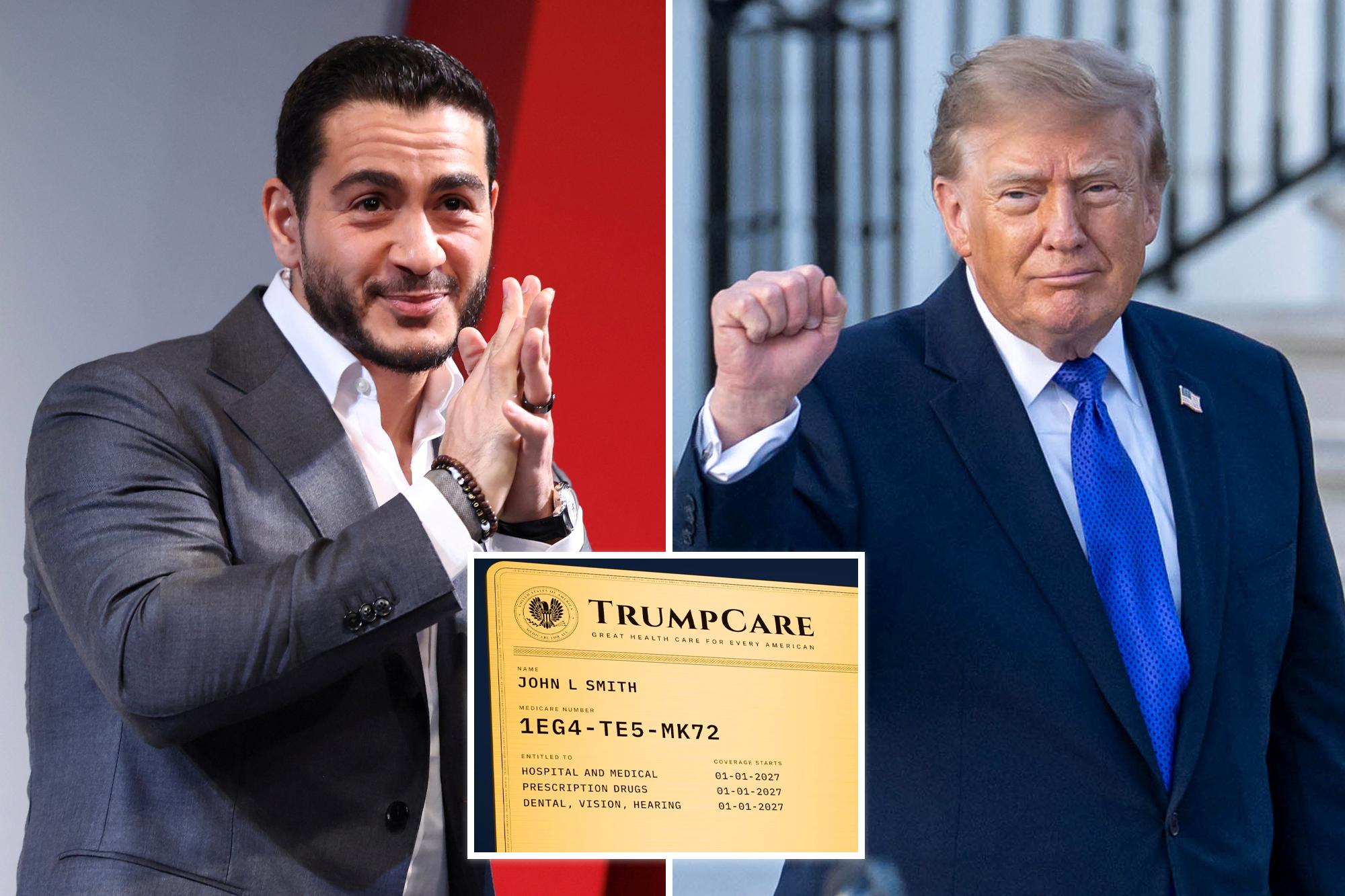
President Trump unexpectedly highlighted Democratic Sen.-elect Abdul El-Sayed’s universal health care proposal when he shared a screenshot of El-Sayed’s “TrumpCare” insurance card on Truth Social. This occurred shortly after El-Sayed urged Trump to support his Medicare for All plan.
El-Sayed, recently victorious in Michigan’s Senate race against Republican Mike Rogers, crafted a mock universal health-care card that features Trump’s name. He posted the image on various social media platforms, suggesting that health care should be guaranteed from “cradle to grave.” Trump’s repost lacked an added comment, leaving his stance on the proposal unclear.
“Donald, this is on the table. Guarantee health care for every American,”El-Sayed wrote on X.
El-Sayed expressed his readiness to collaborate with Trump to establish such a health care system. He invited Trump to join him and other Senate leaders, like Sens. Van Hollen, Sanders, Wyden, and Warren, to push the plan forward.
The proposal suggests replacing significant parts of the private health-insurance industry with government-funded coverage. It aims to ensure medical care regardless of financial status. Despite its ambitions, the White House had previously dismissed the idea, labeling it a “socialist proposal,” potentially detrimental to medical access. The administration emphasized Trump’s record on lowering prescription drug prices.
El-Sayed continues to appeal to Trump’s love for branding, suggesting that naming the comprehensive health-care plan “TrumpCare” could elevate Trump’s popularity. He even proposed presenting the program with a gold card.
As Democrats gained control of Congress following their midterm success, President Trump hinted at a possible bipartisan approach to health care reform. He stated that there could be opportunities for collaboration on health care and other areas if approached with bipartisan support.
El-Sayed is set to assume office on January 3. His initiative represents a significant shift in the approach to health care in the U.S., highlighting his commitment to achieving universal coverage.