U.S. Involvement in Congo-Rwanda Peace Efforts: Challenges and Strategic Moves
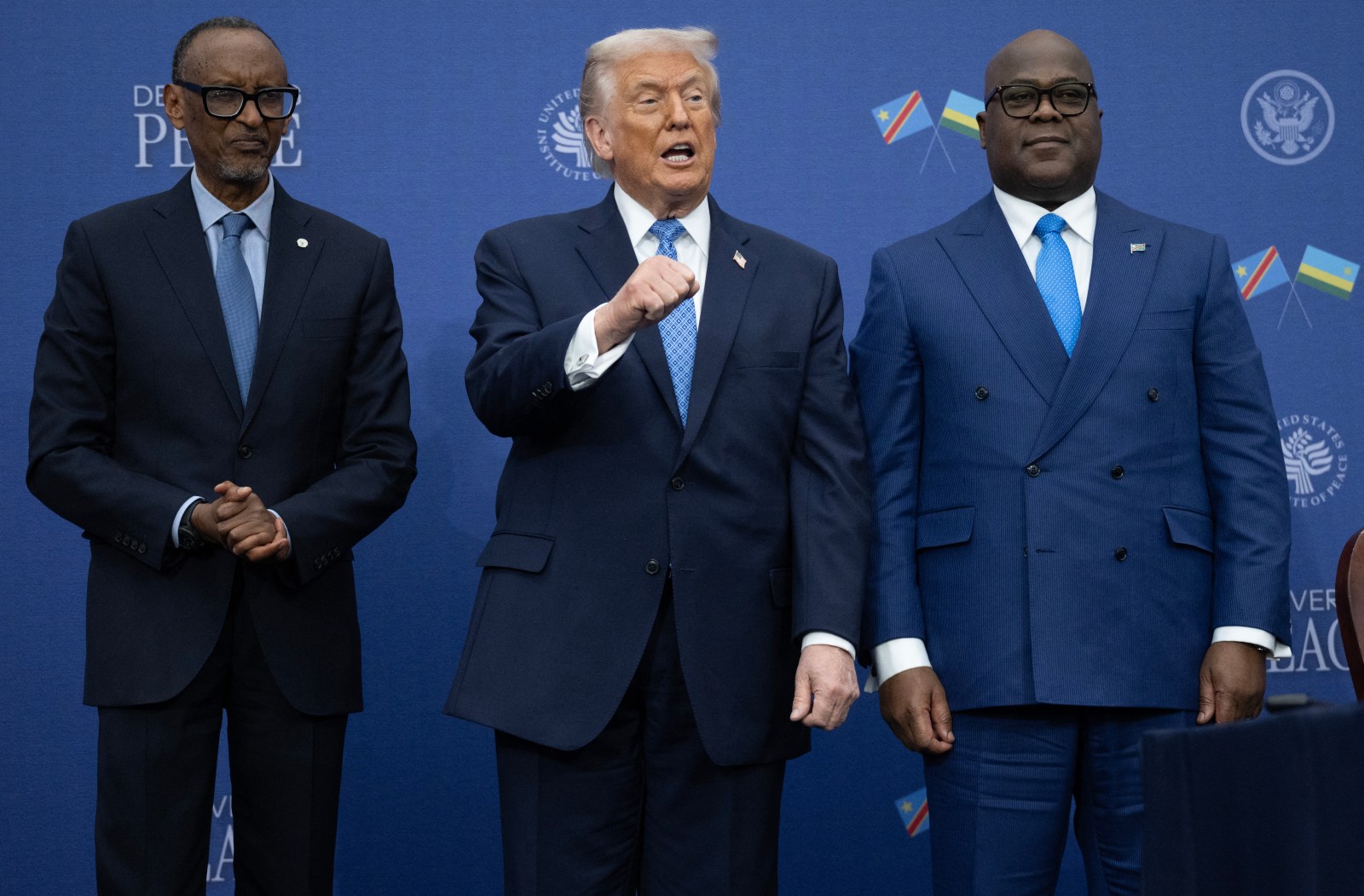
Almost a year has passed since Congo and Rwanda signed a U.S.-supported peace agreement. Washington’s efforts to foster peace and prosperity in Africa’s Great Lakes region are currently stalled. The Trump administration must encourage its Congolese partners to uphold their part of the agreement to secure the Washington Peace Accords.
The United States has taken a firm stance against Rwanda and its M23 allies. Rwanda’s military offensive to capture Uvira in South Kivu, during President Trump’s meeting with Presidents Tshisekedi and Kagame to finalize the accords, was a setback. This move undermined U.S. efforts for peace and billions of dollars in investments.
Washington responded by imposing sanctions and visa restrictions on senior Rwandan officials in early March. The Treasury Department also placed sanctions on former Congolese President Joseph Kabila for his support of M23, while the State Department allegedly denied Kagame a visa for an event at Harvard University. The Rwandan army has also been sanctioned, becoming the second African national army to face U.S. sanctions.
Congolese and U.S. Relations
Congo’s relationship with the Trump administration has strengthened. After prolonged negotiations, Congo signed a strategic partnership with the United States in December. This deal grants U.S. companies access to Congo’s Copperbelt region, redirecting critical minerals westward via the U.S.-funded Lobito railway. Additionally, Congo has aligned with U.S. immigration policies by agreeing to take in deportees from Latin America and possibly the Middle East.
Despite these developments, Congo’s stance is not entirely peaceful. Although M23 has been largely defensive, the Congolese army has escalated drone and ground attacks, resulting in civilian casualties. Congo’s officials have stalled talks with M23 and continue to support armed groups, including the FDLR, an extremist group linked to the 1994 Rwandan genocide. The Trump administration’s lack of pressure on Congo could undermine its peace deal incentives.
The Need for Balanced Pressure
Tshisekedi lacks motivation to negotiate with M23 if he feels fully backed by the U.S. He perceives M23 as illegitimate, believing military defeat is possible. U.S. support reinforces this belief, fostering his uncompromising stance. Meanwhile, Rwanda and M23 perceive the peace process as biased, reducing their incentive to engage meaningfully. Kagame has criticized the U.S., stating Rwanda will not give in, reinforcing their self-reliant perception.
The U.S. risks enabling a controversial power shift in Congo. Tshisekedi has used the war to justify constitutional changes, delaying elections, and aiming for a third term. He uses the Washington Accords to justify opposition crackdowns, labeling dissenters as M23 or Rwandan sympathizers. The opposition’s criticism of the Congo-U.S. partnership threatens its stability beyond Tshisekedi’s tenure.
Recommendations for U.S. Policy
The United States should pressure Congo to stop supporting armed groups and comply with Washington Accords obligations. Targeted sanctions on obstructive Congolese officials should be considered, and defense cooperation withheld until compliance. Private pressure should be applied for genuine negotiations and concessions in the M23 talks, aiming for a short-term M23 transitional control arrangement.
To achieve peace and prosperity as envisioned by the Trump administration, accountability for all parties, including Congo, is crucial. While the U.S. pressure on Rwanda served as a corrective measure, Congo’s current actions pose a challenge. To realize the benefits of the peace deal, U.S. officials must take decisive action.
Liam Karr leads the Africa team and Yale Ford is an analyst at the American Enterprise Institute’s Critical Threats Project. The views in this article are their own.