U.S. Military Enforces Maritime Blockade Amid Iran Conflict
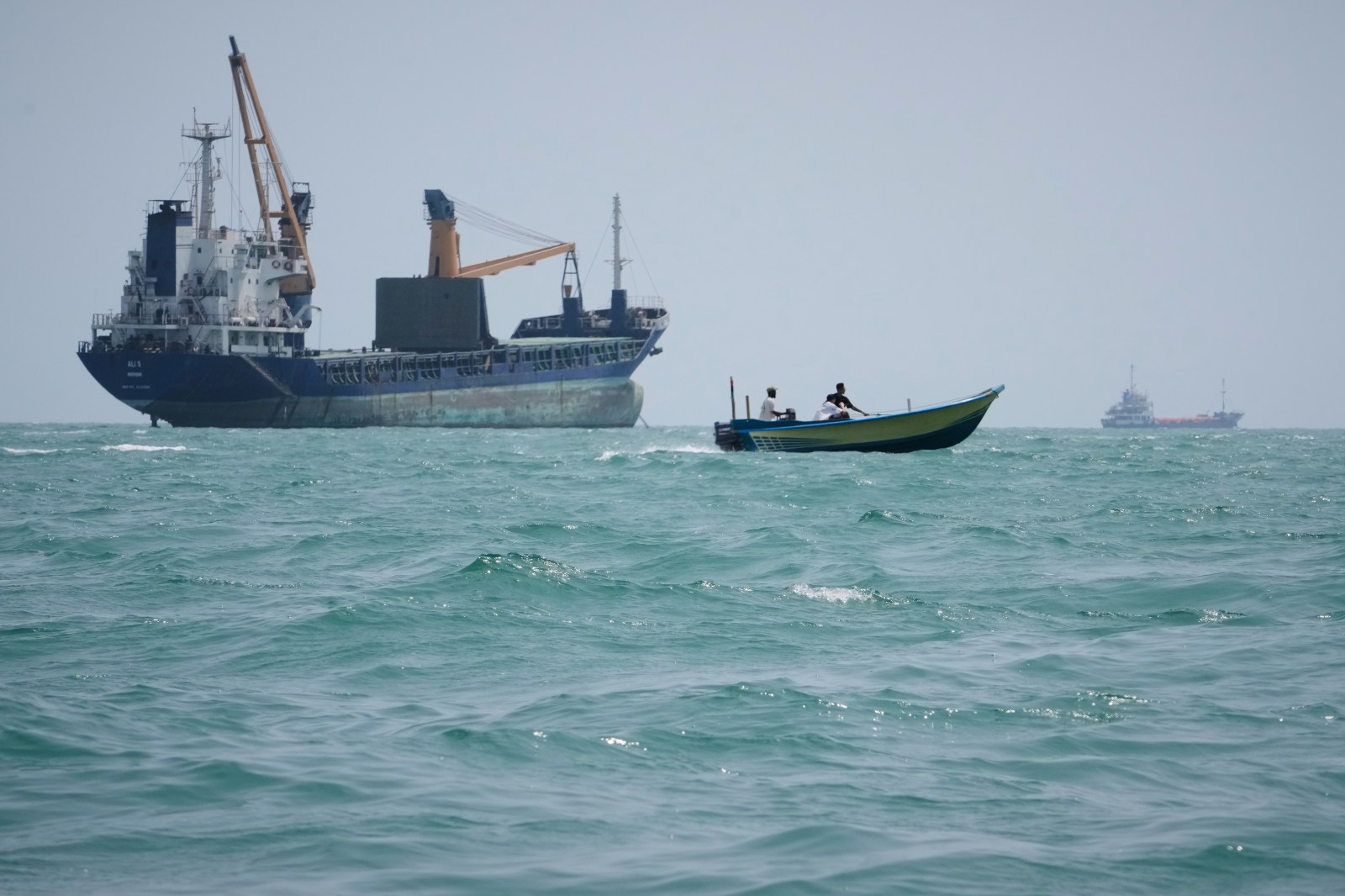
The U.S. military has redirected 100 commercial vessels in the past 60 days, implementing a maritime blockade against Iran in the Strait of Hormuz. This highlights the intense security operations essential for controlling this vital corridor. According to U.S. Central Command (CENTCOM), not a single vessel has passed without U.S. clearance, emphasizing the focus of American forces on this mission.
Strait of Hormuz Tensions
The United States’ naval operations in this region underline the ongoing diplomatic challenges in stabilizing the waterway. The conflict, which began in late February, has made this narrow passage a crucial global concern. A substantial portion of the world’s oil and natural gas passes through the Strait, making disruptions potentially detrimental to energy markets and economic stability.
CENTCOM’s announcement reveals the logistical efforts required to maintain maritime control against the backdrop of this confrontation. Military updates state that commercial traffic in the blockade area operates strictly under U.S. authorization.
This military effort aligns with the Trump administration’s broader strategy of exerting maximum pressure on Tehran, an approach combining military maneuvers with sanctions to limit Iran’s oil exports and influence.
No Immediate Agreements
According to Reuters, Iran stated that no official agreement on navigation through the Strait is expected during a meeting in Oman on Monday. Ongoing discussions have not yielded immediate solutions to the issues of shipping security, suggesting continued uncertainty as regional powers seek to ease tensions.
Reports of attacks on shipping, military actions, and disputes over strait control have heightened security concerns. While the U.S. emphasizes its goals of protecting commerce, Iran argues the blockade disrupts lawful trade.
Iranian Position
Iran opposes the U.S.-led operation, advocating for regional management of Strait security. Iranian Foreign Ministry spokesperson Ismail Baghaei expressed intentions to update Gulf countries on consultations with Oman about ship safety.
Baghaei stated that regional cooperation should ensure security without foreign interference. He labeled U.S. actions as aggressive, critiquing economic measures as blockades. Iran views these actions as self-defense while remaining open to diplomacy to secure national interests.
Impact on Consumers
The conflict’s impact on the Strait has disrupted its normal role as a conduit for global oil supply, increasing crude oil prices. Diesel prices reached an unprecedented $6 per gallon, with the national average for gas at $4.31 per gallon, as indicated by AAA data.
These prices have elevated living costs in the U.S. by inflating transportation and logistical expenses. Higher diesel prices impact agriculture, freight, and construction sectors, leading businesses to transfer these costs to consumers.
Adam Turnquist from LPL Financial noted that rising diesel prices could trigger broader inflationary effects, affecting production costs, freight rates, transportation expenses, and heating bills.
President Donald Trump had downplayed the war’s impact on Americans but recently acknowledged that price reductions might take longer than anticipated, especially past the midterm elections. He predicted that oil prices would fall substantially after this period.