U.S. Takes Firm Stance Against Birth Tourism Under Rubio’s Leadership
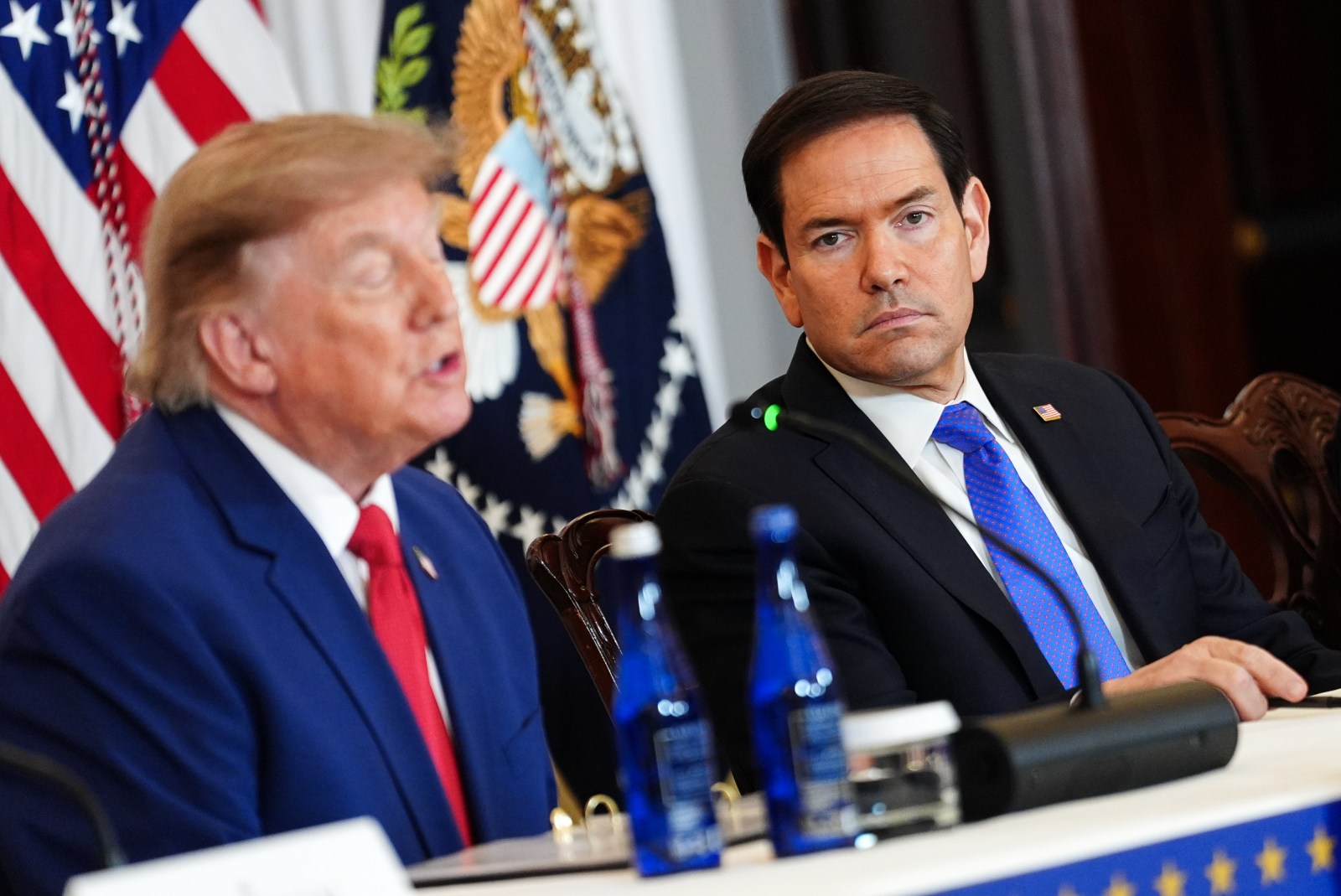
Secretary of State Marco Rubio, born in the U.S. to Cuban immigrant parents, announced a new effort to tackle “birth tourism” networks. Over 600 visas have been revoked as part of this initiative. The Trump administration asserts that these networks exploit U.S. immigration laws. Rubio declared on X that “American citizenship is not for sale,” criticizing organizations that help foreigners give birth in the U.S. to ensure their children obtain U.S. citizenship.
Birth Tourism and Legal Implications
Birth tourism poses challenges for policymakers. While giving birth in the U.S. isn’t inherently illegal, intentionally doing so to acquire citizenship, and actions like visa fraud, constitute crimes. Colleen Putzel-Kavanaugh from the Migration Policy Institute notes these complexities. The State Department, while refraining from modifying constitutional protections, targets fraudulent visa obtainers seeking childbirth in the U.S. The newly established Birth Tourism Prevention Task Force aims to investigate these actions globally.
Marco Rubio’s Birthright Story
Rubio, born in Miami in 1971 shortly after his parents’ arrival in the U.S., became a citizen under the same constitutional principle causing current debate. His presidential eligibility was challenged in 2016, but legal arguments confirmed his status as a natural-born citizen. This understanding aligns with long-held interpretations, though recent executive orders by President Trump attempt to limit citizenship to children of citizens or permanent residents.
Legal and Policy Developments
The 14th Amendment guarantees citizenship to nearly all U.S.-born children, irrespective of parental immigration status. The administration’s current crackdown doesn’t alter this but rather seeks to stamp out fraudulent networks exploiting immigration procedures for childbirth-related citizenship. Rubio’s statement highlights the extensive infrastructure these networks utilize. The CDC estimates less than 1% of annual births may be attributed to birth tourism.
Supreme Court and Legislative Actions
The Supreme Court recently ruled in Trump v. Barbara, affirming birthright citizenship for children of parents unlawfully present in the U.S. The Trump administration continues to push for restricting such citizenship avenues. Discussions persist on whether the executive branch can reinterpret the 14th Amendment. Current policies deny visas to those aiming to give birth in the U.S. However, concerns about successful deceit of border agents highlight the need for preemptive action.
Future Steps and Legislative Efforts
While denying visas to expectant travelers isn’t new, the task force’s operations will retrospectively scrutinize visa records. This involves revocations, historical travel analysis, and collaboration with the Department of Homeland Security. Legislators are urged to introduce stronger regulations against birth tourism, exemplified by proposed bills S. 5023 and H.R. 9919, aiming to formally make tourists inadmissible for citizenship purposes.