Understanding Cognitive Resilience in Alzheimer’s Disease
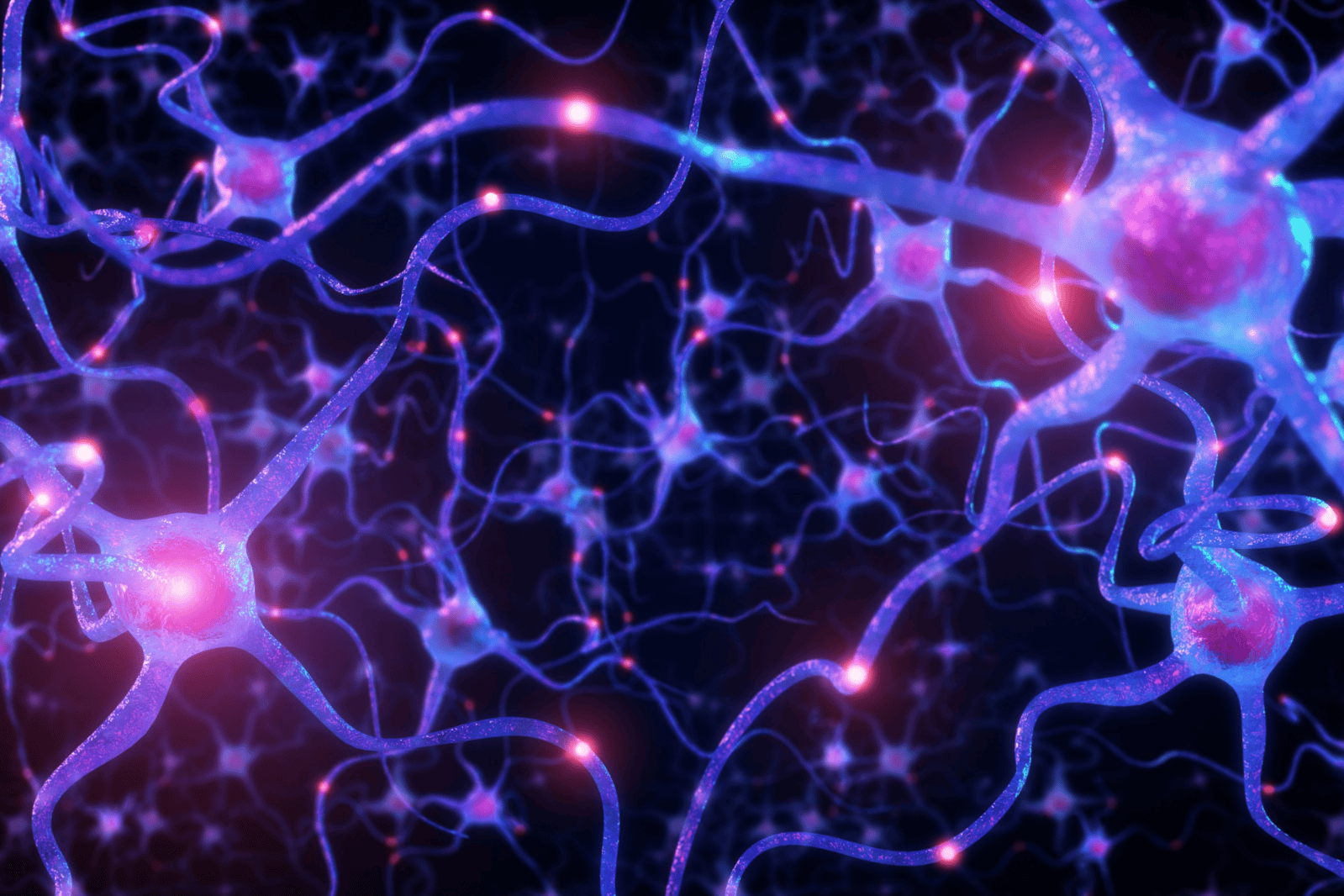
Some individuals show Alzheimer’s-related changes in their brains but never develop dementia. A recent study in Cell Stem Cell investigates why. Researchers examined postmortem human brain tissue and found “immature” neurons linked to cognitive resilience. These neurons might help some people maintain normal cognition despite Alzheimer’s pathology.
The study focused on the hippocampus, a key area for learning and memory, heavily affected by Alzheimer’s. The researchers discovered that cognitively healthy individuals with Alzheimer’s brain changes had immature neurons similar to younger, adaptable brain cells.
The findings could explain why about 30% of people with Alzheimer’s pathology do not develop clinical symptoms. “There’s probably no single answer, but our data point to one candidate,” said Evgenia Salta, senior author of the study. “In resilient brains, we find neurons that appear more immature or ‘youthful,’ potentially keeping surrounding brain tissue healthy despite Alzheimer’s pathology.” Salta, from the Netherlands Institute for Neuroscience, suggests resilience may result from multiple factors. Genetics could enhance cellular programs that mitigate damage. Lifestyle factors like exercise and lifelong learning build cognitive reserve, improving disease coping. “Both may influence these immature neurons,” Salta noted.
The study contributes to evidence that Alzheimer’s pathology does not guarantee dementia. Researchers want to know why some brains resist protein buildups characteristic of the disease. The new neurons displayed unique molecular profiles, potentially playing a protective role.
Dr. Daniel Fenton, who wasn’t part of the research, finds the study’s comparisons intriguing. “The most interesting result is the comparison between people with Alzheimer’s dementia and those who stayed cognitively intact but had similar brain pathology,” he told Newsweek. The resilient individuals showed more protective and anti-inflammatory cellular activity. In contrast, those developing dementia experienced communication breakdowns between these neurons and neighboring cells.
Although treatments are years away, Salta believes the discovery could change approaches to Alzheimer’s therapies. Cognitive resilience might shift thinking: dementia isn’t inevitable, but a modifiable path. Fenton suggested it could also change perceptions on brain repair in later life. Instead of replacing lost neurons, immature cells might maintain a healthy hippocampus environment, supporting the cognitive reserve concept.
Should these cells confirm their protective role, future therapies might focus on boosting the brain’s repair mechanisms. “If these cells prove protective, therapies could shift from only limiting damage to supporting the brain’s repair mechanisms,” Salta explained. “Effectiveness would depend on how early interventions occur, from delaying symptom onset to reducing severity.”
Reference: Tosoni, G., Ayyildiz, D., Snoeck, S., Moreno-Jiménez, E.P., et al. (2026). Transcriptional profiles of immature neurons in aged human hippocampus track Alzheimer’s pathology and cognitive resilience. Cell Stem Cell, 33(5), pp. 763–783.e9. doi:10.1016/j.stem.2026.04.002.