Understanding High-Functioning Depression and Anhedonia
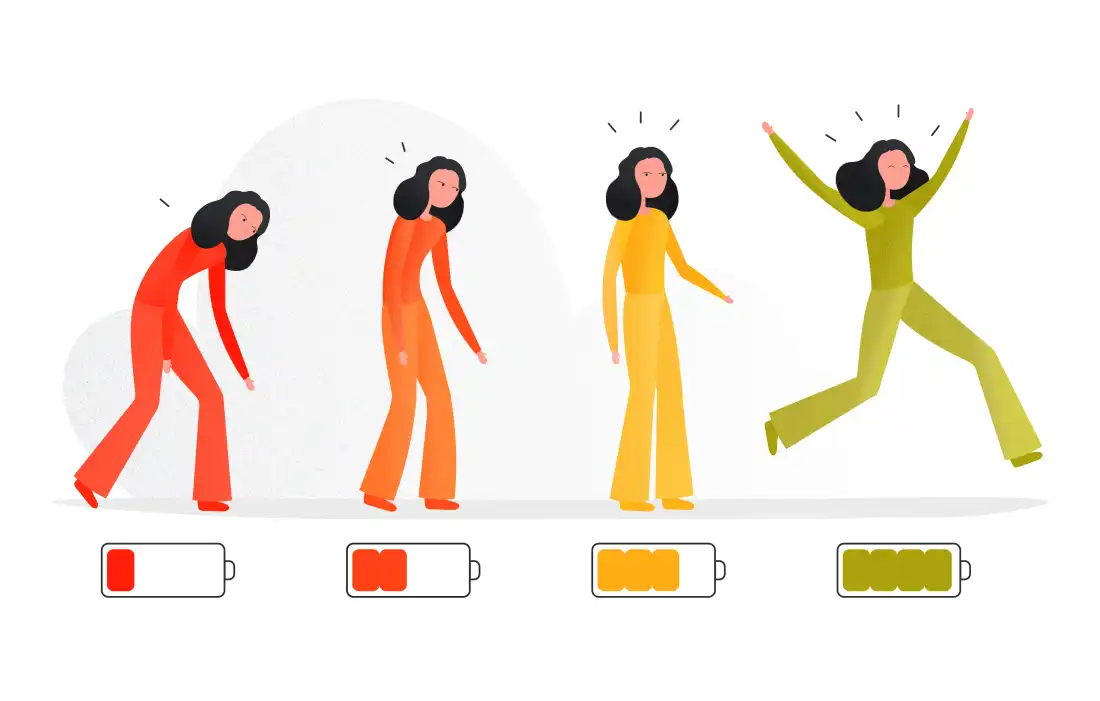
Some people with clinical depression find it difficult to get out of bed. However, others may display signs of depression while continuously engaging in work. These individuals often go unnoticed, even to themselves. Psychiatrist Dr. Judith Joseph refers to this as “high-functioning depression.” Here, individuals maintain work and home responsibilities, yet gradually lose the ability to experience pleasure.
According to Joseph, experiencing joy improves physical health, relationships, and work productivity. She questions why society doesn’t prioritize joy more. A central aspect of her research is anhedonia, which is a reduced capacity to feel joy, pleasure, or interest in previous enjoyable activities. Joseph describes anhedonia as “the silent sister” of depression. She explains that traditional depression symptoms get more attention, while anhedonia remains quiet and often overlooked.
Anhedonia might not appear as an immediate crisis, but Joseph warns it is an existential problem and shouldn’t be ignored.
Research Insights
In a study published in the journal Cureus, Dr. Joseph and her colleagues examined adults using questionnaires assessing high-functioning depression, trauma, and anhedonia. The study found that people with high-functioning depression exhibited higher levels of anhedonia and trauma. Participants scoring higher in anhedonia also had increased high-functioning depression scores. Notably, parents and caregivers presented the highest scores in both anhedonia and high-functioning depression.
The study’s authors note that high-functioning depression isn’t officially recognized in the DSM-5, a manual for diagnosing mental health conditions. This lack of recognition can delay individuals from identifying their symptoms and seeking treatment until they experience burnout.
The Breaking Point
Joseph often sees this pattern in women who remain a constant support for those around them. They stay so focused on their duties that they don’t realize they are approaching burnout. “Eventually,” Joseph warns, “something’s gonna give.” Individuals may face a breakdown, fall into clinical depression, or physically suffer. She has encountered patients hospitalized without understanding why, only to discover they harbored emotional pain unresolved for too long.
Professions discouraging vulnerability, such as medicine, commonly display this pattern. In these fields, emotional responses like crying are often considered weaknesses. Joseph emphasizes the need for a focus shift toward detecting anhedonia.
A Self-Assessment Tool
Joseph developed an anhedonia quiz based on the Snaith-Hamilton Pleasure Scale, evaluating the ability to experience pleasure. The questionnaire asks about daily experiences, such as savoring meals or enjoying accomplishments. Although not diagnostic, this quiz helps individuals evaluate what might be hindering a fulfilling, joyful life. Taking the quiz requires sharing your email to view the results.
The Five V’s Framework
In her book “High Functioning: Overcome Your Hidden Depression and Reclaim Your Joy,” Joseph introduces the Five V’s framework:
- Validation: Recognize and accept your feelings.
- Venting: Express emotions through talking, writing, or creative activities.
- Values: Prioritize what matters most.
- Vision: Set goals and maintain a focus on the future.
- Vitals: Care for your mental and physical health through proper sleep, nutrition, and activity.
Anhedonia appears in many conditions and people, especially in midlife. Joseph encourages learning to identify it because it’s often a silent issue.
If you or someone you know is experiencing a crisis, contact the Suicide & Crisis Lifeline by calling or texting 988.