US to Halt Aid to Israel by Year’s End Amid Political Struggles
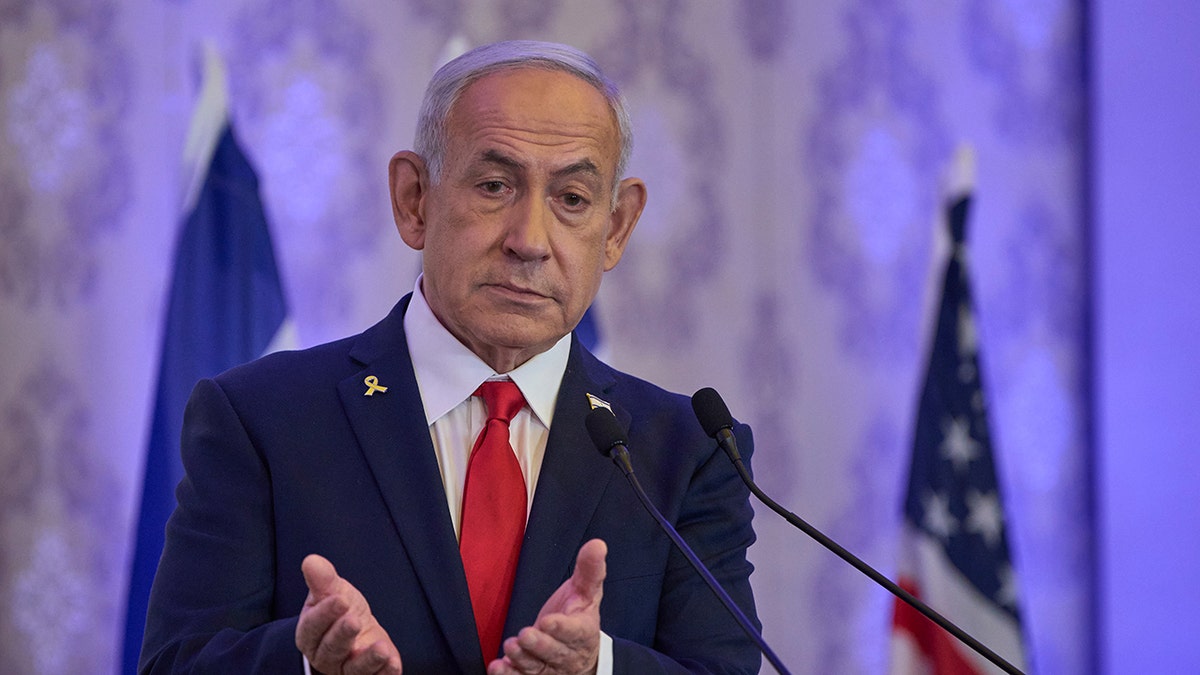
President Donald Trump has announced that the United States will cease providing aid to Israel by the year’s end. This decision coincides with the onset of midterm voting in the US, posing significant implications for the financial support previously given to Israel.
In Tel Aviv, Israel’s political landscape faces a critical test as consultations begin to determine which lawmaker will form the next government. Prime Minister Benjamin Netanyahu, who has been a central figure in Israeli politics, confronts challenges to his leadership following the recent elections.
Netanyahu Faces Electoral Challenges
The election results, officially declared last Friday by Israel’s Central Elections Committee, show Netanyahu’s Likud party gaining substantial support, yet lacking a majority. The Likud bloc secured 53 seats against the opposition’s 48, led by Gadi Eisenkot. A minimum of 61 seats is essential to establish a government.
Netanyahu voiced his determination to lead the next administration, excluding parties he deems supportive of terrorism from the coalition. His social media post emphasized his commitment to forming a government with allies opposed to terrorism while maintaining Israel’s Jewish identity.
Arab Parties As Potential Influencers
The Joint List and Ra’am, predominantly Arab parties, earned a combined total of 19 seats. They hold significant influence in the government formation process. Sources suggest they may endorse Eisenkot, the leading opposition figure, to initiate government formation, possibly securing more than the requisite 61 seats for a governing coalition.
Israeli President Isaac Herzog, overseeing the consultations, may grant Eisenkot the responsibility to form the government. However, Eisenkot faces hurdles within the opposition, including reluctance from key leaders to align with the predominantly Arab-supporting parties.
Complex Political Negotiations
The situation remains fluid, with complexities arising from potential minority government arrangements. Though unprecedented immediately post-election, such configurations have appeared during terms, notably during Netanyahu’s tenure.
Dan Diker of the Jerusalem Center for Security and Foreign Affairs underscores the necessity for cooperation amongst prominent political figures given regional tensions, especially concerning Iran.
Implications for Governance and Military Actions
Netanyahu confronts additional challenges as the new Knesset is sworn in, prompting potential shifts in parliamentary leadership and legislation that may impede his status. Political constraints may hamper military operations, affecting Israel’s posture concerning Iran amid global geopolitical tensions.
Former Knesset member Dov Lipman anticipates Eisenkot’s initial efforts to engage with Likud, though likely unsuccessful, paving the way for Netanyahu to attempt government formation.
Potential for Unity Government
While some analysts advocate for a national unity government involving key parties, past experiences with such arrangements, notably the power-sharing compromise between Netanyahu and Benny Gantz, reveal challenges in execution.
Looking at historical precedents, like the 1984-1988 unity government, suggests possibilities for cooperation amidst security and economic challenges. Yet, inherent frictions remain once major issues are addressed, potentially eroding collaborative efforts.
The evolving political dynamics in Israel, coupled with the US’s altered foreign aid stance, signal significant developments impacting the region’s statecraft.