Weather Impact on Early College Football Season Sparks Debate
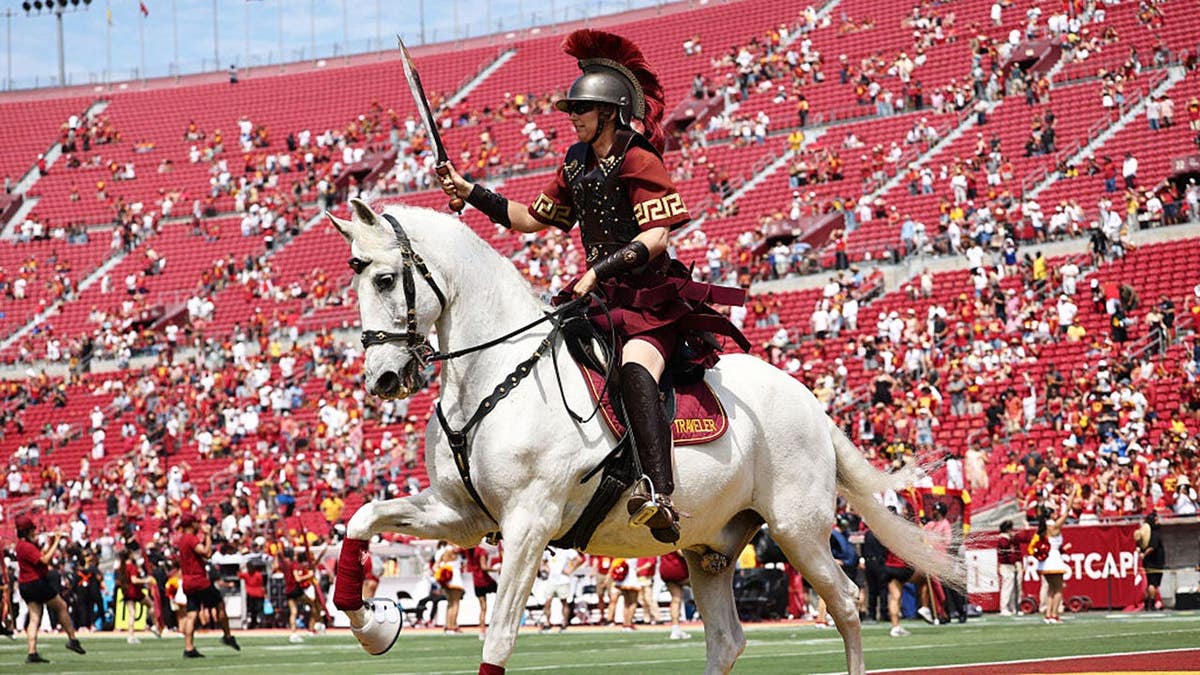
The start of the college football season brought unexpected challenges primarily due to extreme weather conditions. The USC Trojans’ first match against San Jose State at the Los Angeles Memorial Coliseum marked the beginning of these challenges. The Los Angeles area experienced unusual heat and humidity, remnants of a tropical storm off the West Coast. This led to a significantly high heat index of around 105 degrees. As a result, only a few spectators attended the game, which was resolved soon after kickoff.
Week 1 continued this trend as teams like South Carolina and the Texas Longhorns hosted afternoon games in intense heat. Although ticket purchases were higher, many fans left the stadiums early. In Texas, fans sought shade under the concourse, with some requiring treatment for heat exhaustion or dehydration.
THE CRAIG CARTON SHOW – UNFILTERED, UNAPOLOGETIC AND UNMISSABLE. DOWNLOAD HIS DAILY PODCAST NOW!
The weather conditions have ignited discussions on scheduling games during peak afternoon temperatures in late August or early September, especially in regions known for hot climates. Some argue for a scheduling shift to address this issue. However, the suggestion by the LA Times assistant managing editor Iliana Limon Romero to adjust schedules in response to climate change faced criticism. Romero argued on X that sports programs should adapt to climate considerations.
Examining the situation reveals multiple truths. TV networks may disregard the local weather during preferred broadcast slots. Late summer games in locations like Austin or South Carolina ideally should occur at night, avoiding early afternoon heat. Attending such games is often seen as a symbolic ‘badge of honor,’ albeit at the cost of potential health risks.
Critics argue blaming typical summer heat in Texas on climate change is misplaced. The average high in Austin during early September is typically 95 to 97 degrees, making recent heat levels slightly above average but not exceptional. This argument challenges the notion that regular summer weather corresponds to climate change.
Discussions continue on adapting game schedules to ensure fan safety without attributing normal high temperatures to climate shifts. Ultimately, while afternoon games in early September might not suit locations like Austin, attributing seasonal temperatures to climate change warrants further scrutiny.