White House Lawyer Warns of Legal Risks in Planned Congressional Investigations
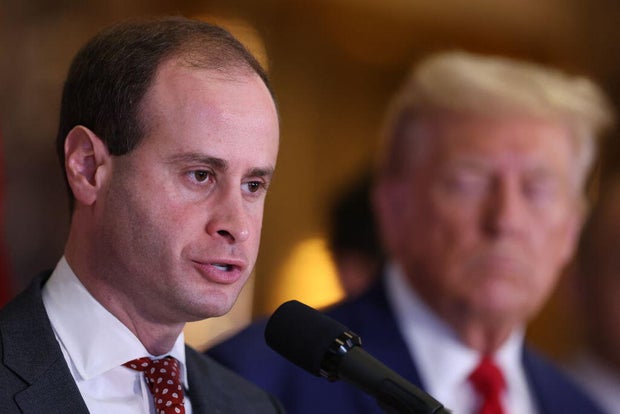
By November 11, 2026, tensions are rising in Washington regarding planned investigations into the Trump administration by congressional Democrats. The White House’s top lawyer, Will Scharf, issued a stern warning to Rep. Robert Garcia, the incoming chair of the House Oversight and Government Reform Committee. This communication suggests potential legal conflicts could arise from these investigative efforts.
In a letter addressed to Garcia, Scharf cautioned that these investigations “may cross the line into blatant criminality.” He insinuated that congressional subpoenas might trigger retaliatory probes from the executive branch. Scharf emphasized that Congressional investigations must have a “legitimate legislative purpose.” He warned against using investigations as tools to intimidate, abuse, or instill fear, actions he claimed could violate constitutional limitations.
Scharf accused Democrats of planning to breach the constitutional limits of investigative powers, citing their statements about upcoming probes. He condemned what he termed as “abusive threats” and misuse of subpoenas to target administration members, stating these actions clearly aim to harass rather than achieve legitimate goals.
In response, Garcia defended Congress’ constitutional right to conduct oversight. He argued that the White House seemed to be attempting to shield something from public scrutiny. He pointed out that Congress’ authority originates from Article I of the Constitution and stressed that it has broad latitude to conduct investigations, independent of the executive branch’s permission.
“We are a co-equal branch of government and will not be deterred by baseless threats from a weaponized DOJ or from the President’s lawyers,” Garcia declared.
Following the recent midterm elections, Democrats gained a significant majority, holding at least 254 seats in the House and 54 in the Senate. This shift provided them with control over congressional committees and the power to issue subpoenas. Garcia has indicated plans to look into several issues including:
- Trump family’s business dealings
- Corporate corruption
- Federal immigration authorities’ actions
- Scandal involving Jeffrey Epstein
- Donald Trump Jr.’s wedding expenses tied to a Russian oligarch
- A $2 billion investment linked to Jared Kushner
- The Trump family’s crypto ventures
- Pentagon contracts awarded to companies linked to Trump’s sons
- Pay-to-play schemes within the Department of Homeland Security
- Corporate funds for the White House ballroom
Amid these developments, former President Trump accused Democrats of extortion and threatening his administration’s senior members. Expressing his outrage on Truth Social, Trump demanded that these actions be scrutinized and called for the Justice Department to investigate.
This clash between Congress and the Trump administration echoes past conflicts. During Trump’s first term, Democrats sought financial records through subpoenas, aiming to uncover potential misconduct. These efforts faced opposition from the White House and led to a Supreme Court decision in 2020. While the court highlighted Congress’ “legitimate legislative purpose,” it initially blocked immediate access to the records, underscoring the complexity of the constitutional limits on investigative powers.