Winter Forecast: Super El Niño’s Global Impact
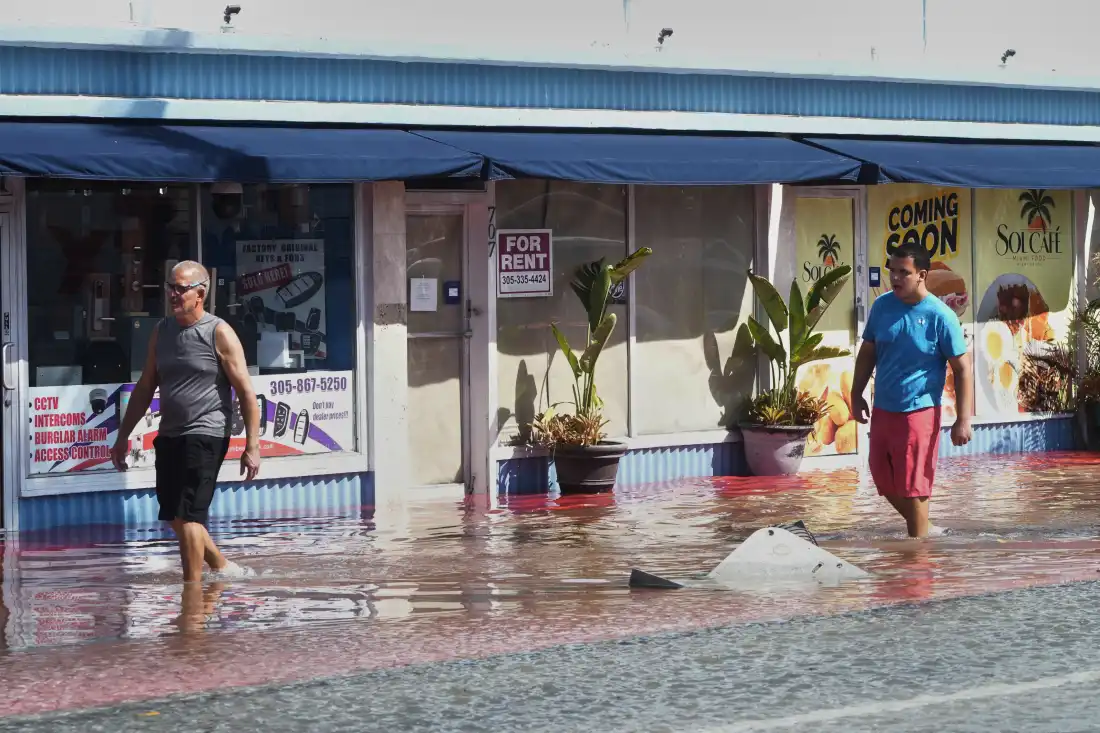
This winter is anticipated to be warmer and wetter due to a “Super El Niño” altering weather patterns globally. According to the National Oceanic and Atmospheric Administration (NOAA), the forecast predicts warmer-than-average temperatures across much of the continental U.S., coupled with above-average precipitation in several areas.
El Niño years often lead to coastal flooding, especially on the Eastern seaboard and West Coast. Ken Graham, NOAA’s National Weather Service Director, emphasized the strength of this El Niño, noting its historic potential during an October media briefing. Forecasters stress that these are predictions, not certainties, as El Niño influences probabilities rather than guarantees.
Preparation is crucial. These forecasts can assist cities in planning for potential impacts and allocating resources effectively. Graham stated, “These seasonal predictions are key to helping you prepare and giving you a heads up to assess all the risks and how to mitigate them. Earlier and better decisions save lives.” There is a silver lining, as increased rainfall might relieve drought-stricken areas.
The Origins of El Niño
El Niño is a natural climate cycle originating in the tropical Pacific Ocean. It occurs every few years when a large area of water in the eastern Pacific warms near the equator, releasing heat into the atmosphere and altering global weather patterns. This year is expected to see one of the strongest El Niños on record.
Josh Willis from NASA’s Jet Propulsion Laboratory likens El Niño’s magnitude and effect to “Godzilla,” impacting Indonesia and Southeast Asia with droughts and wildfires, while triggering hurricanes and storms on the West Coast. The 2015-16 El Niño brought catastrophic flooding in South Carolina and intense blizzards to the East Coast.
West Coast Impacts
Forecasters expect warmer weather in Northern California and above-average precipitation, especially in Southern California. Snowfall might increase in Nevada, the southern Rocky Mountains, and California’s San Bernardino Mountains. Kelvin waves, warm water bands, have already brought higher sea levels and flood risks to the West Coast.
Dillon Amaya from North Carolina State University noted these waves increase flooding likelihood but are not direct causes. Another Kelvin wave currently raises sea levels between Los Angeles and San Francisco, with more expected through fall and early winter.
Pacific Northwest Changes
Researchers predict warmer temperatures and less rainfall for the Pacific Northwest, unlike the West Coast. Without prolonged cold temperatures, the smaller snowpack could worsen drought impacts. Communities along shorelines prepare for severe flooding due to El Niño and winter tides.
Jon Gottschalck from NOAA anticipates improved conditions and potential drought relief in western Oregon and Washington.
Southwest Conditions
The Four Corners region is already experiencing wetter-than-average conditions. Recent severe flooding has caused evacuations and rescues. Daniel Swain from the University of California Agriculture and Natural Resources links these events to El Niño and recent marine heat waves.
However, persistent drought and water demand issues prevent complete recovery in the Colorado River basin, highlighting the challenges in refilling major reservoirs like Lake Powell and Lake Mead.
East Coast Predictions
Similar to national trends, the Northeast might see warmer temperatures and above-average precipitation. El Niño can intensify nor’easters and increase coastal erosion risks, with forecasts suggesting similar flooding levels to a record-setting 2023 El Niño year.
In 2016, a powerful northeast blizzard resulted from El Niño, with snow accumulation exceeding 30 inches. Ken Graham cautions that while El Niño may cause a milder winter in the northern U.S., it doesn’t eliminate snow risk.
Southern U.S. Outlook
Southern regions have high chances of above-average precipitation and rare snowfall. NOAA predicts heavy rain for Florida and southern Georgia and South Carolina.
Despite a quiet hurricane season, El Niño years can increase tornado risk, exemplified by Florida’s tragic 1998 tornado outbreak.
Midwest Prospects
Warmer temperatures could mean less snow in the Upper Midwest. Michigan, Ohio, and Indiana usually experience drier El Niño winters, while Iowa often faces wetter conditions. NOAA anticipates persistent drought across the Midwest, with concerns about worsening conditions.