WNBA Faces Controversy: Caitlin Clark’s Impact and Sophie Cunningham Debate
The WNBA, long overlooked, has found itself unexpectedly highlighted in the sports world. This attention comes mainly due to Caitlin Clark, whose presence has drastically increased fan engagement, revenue, and merchandise sales. Her influence even led to players obtaining improved benefits and perks, significantly enhancing their quality of life.
Despite her efforts to maintain neutrality and avoid controversy, Clark faces animosity within the league, supposedly stemming from jealousy and political associations of her fan base. Sophie Cunningham, Clark’s teammate, took a public stance against male athletes competing in women’s sports. This view, while widely supported by the American public, has made Cunningham a divisive figure in the WNBA.
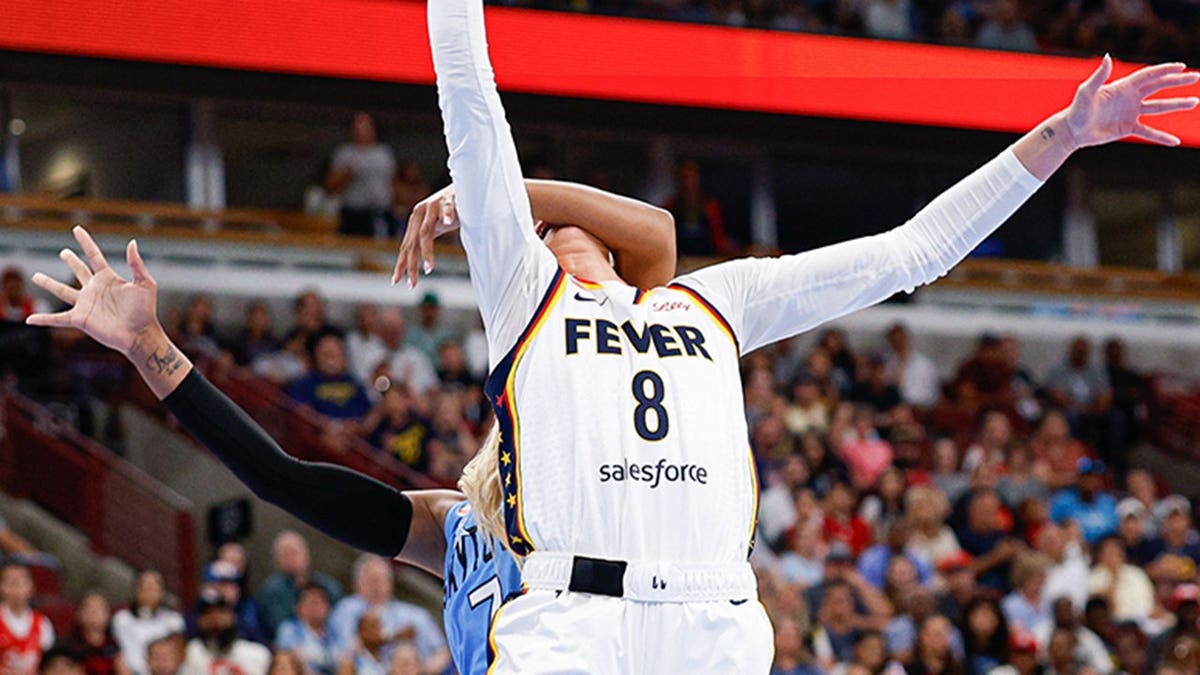
“It was unnecessary… I guess she has some pent-up stuff,” said Cunningham regarding an intentional foul made against her by DiJonai Carrington.
The league experienced further turmoil following this incident. Carrington committed a flagrant foul against Cunningham, leading to her ejection. Cunningham attributed the incident to differing political views. Carrington’s subsequent actions and comments underscored ongoing tensions in the league.
Beyond player dynamics, the WNBA is grappling with broader issues concerning transgender athletes and league policies. Recent intention declarations to join the 2027 draft by Enes Kanter Freedom and Royce White challenge the league’s stance on gender inclusion. The WNBA Players Association maintains a commitment to diversity and inclusion, but this raises questions about league eligibility and fairness in competition.
Some former NBA players claim self-identification is sufficient to compete in the WNBA. The league must address these concerns while balancing its core values and the realities of competitive sports.
The WNBA’s approach, which prioritizes political activism and inclusivity, often clashes with traditional sports expectations. Critics argue that by focusing on political agendas, the league detracts from the quality of play and fails to effectively promote its stars, such as Clark and Cunningham. Political influences further complicate the league’s handling of disputes like Carrington’s foul.
The WNBA’s integration of politics and sports has attracted controversy, drawing attention for reasons not solely to do with gameplay. The league faces a crucial choice: continue with its current path or adapt to focus more on the integrity and quality of the sport.