Yale Researchers Uncover Malaria as Cause of Historical Italian Death
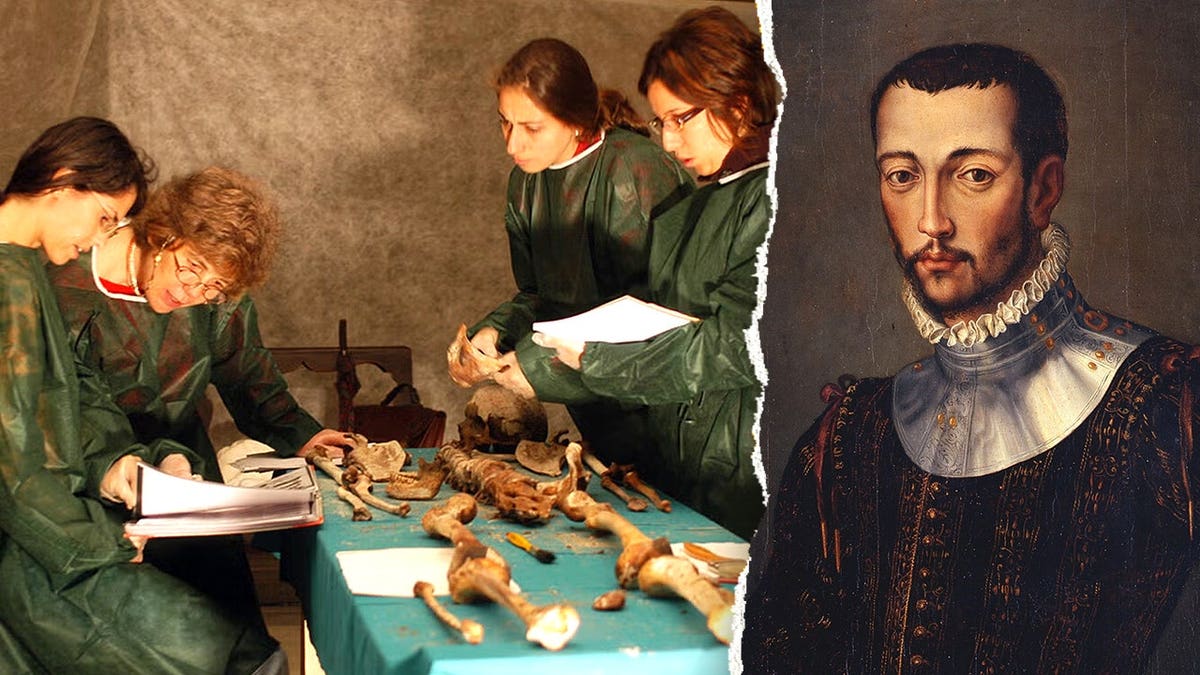
Researchers at Yale University have solved a long-standing mystery about the death of Grand Duke Francesco I de’ Medici, a notable figure from one of Italy’s most prominent families. Findings published in the journal iScience reveal new details about the Renaissance ruler of Tuscany, who died unexpectedly in 1587. Both he and his wife, Bianca Cappello, passed away a day apart, suffering from intermittent fevers after visiting a malaria-ridden villa. This circumstance led to centuries of speculation that they were poisoned.
DNA Analysis Provides New Insights
A team at Yale, in conjunction with paleopathologists from the University of Pisa, analyzed ancient DNA samples from the ribs of Francesco I de’ Medici and his younger brother Giovanni de’ Medici, who succumbed to malaria 25 years earlier. Serena Tucci, an assistant professor of anthropology at Yale, led the research.
Yale’s scientists used ancient DNA to detect malaria parasites in Francesco’s remains, offering fresh evidence regarding his 1587 demise. The study identified genetic traces of Plasmodium falciparum—the parasite responsible for the most lethal type of malaria—in both Francesco and Giovanni’s bones. This discovery challenges the enduring belief that Francesco was poisoned.
Revisiting Historical Assumptions
The researchers found not only P. falciparum but also P. malariae in Francesco’s remains. During the Renaissance, central Italy faced endemic malaria, yet the absence of concrete scientific proof allowed the poisoning theory to continue.
“Using historical specimens can not only help us understand our past better, but also it can help build a better future.”
Despite historical documentation describing symptoms matching malaria and contemporary reports from court physicians, the notion of poisoning persisted. This study is the first to genetically validate the presence of malaria, providing scientific evidence to dismiss the former speculation of arsenic poisoning by Francesco’s brother and rival, Cardinal Ferdinando de’ Medici.
Implications for Future Research
Tucci noted that while unable to entirely exclude poisoning, malaria remains the most likely cause of death. The identification of malaria in the brothers’ remains marks the first genetic analysis and confirmation of such findings. Although the poisoning theory lacks scientific support, the discovery reshapes past narratives.
Yale’s co-author, Gisella Caccone, highlights that these genetic methods can address other historical conundrums, if a clear hypothesis exists. DNA from ancient remains can identify more about how the malaria parasite evolved, aiding in developing better control strategies.