JD Vance Discusses US-Iran Agreement
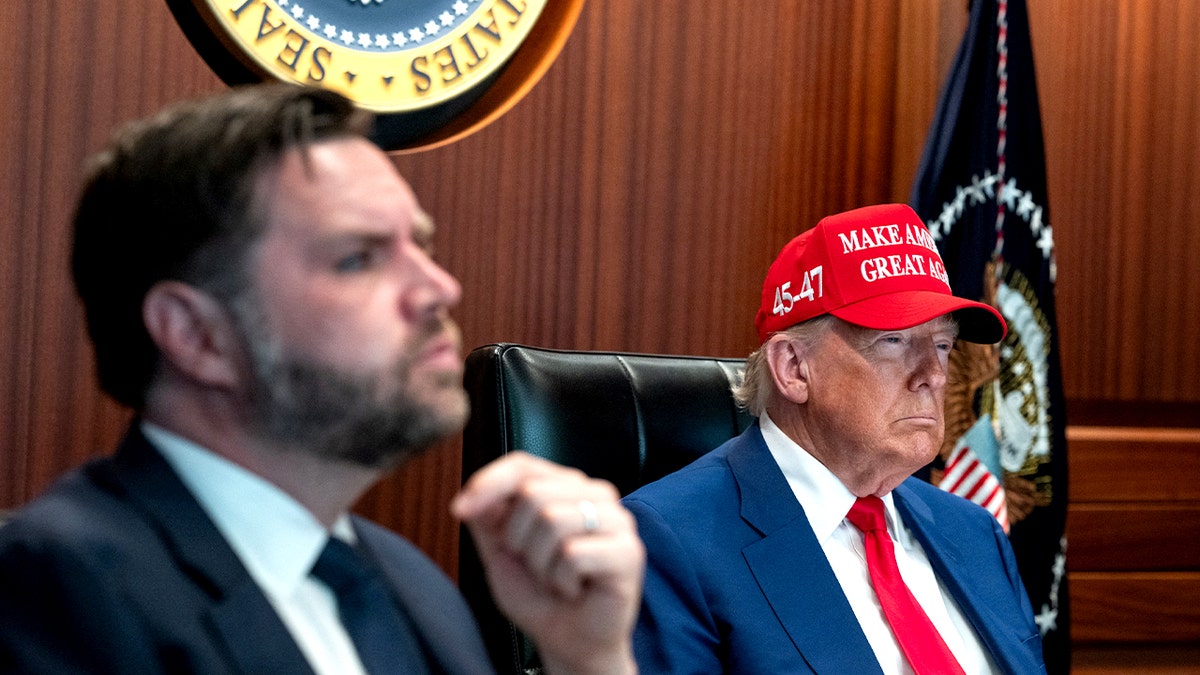
The G7 Summit has spotlighted a new peace deal between the US and Iran, with President Donald Trump issuing stern warnings of ‘ultimate consequences’ should Iran fail to honor its nuclear commitments. Vice President JD Vance provided clarity on the agreement, emphasizing that Iran will not receive American funds. He pointed out the severely weakened Iranian military and industrial capabilities, suggesting Iran’s inability to develop or procure nuclear weapons was a notable achievement of the negotiations.
JD Vance responded to criticisms equating the Trump-Vance pact with Barack Obama’s earlier nuclear deal. He refuted these comparisons, stating that while both offered economic benefits for Iran’s compliance, the dynamic has changed. Instead of an option for Iran, compliance is a necessity. Economic cooperation would only follow transformative change in Iran. Such comments were aimed at addressing regional cooperation incentives if Iran adhered to the deal.
Meetings continue as Vance journeys to Pakistan to discuss the fragile ceasefire with Iran. The rhetoric in recent talks pushes the idea that economic benefits will only follow disarmament and transformation, reinforcing a firm stance on Iran’s military capacities.
Vance and Trump present this deal as significantly different from Obama’s, with stated intentions to destroy Iran’s nuclear infrastructure if commitments are broken. Jesse Watters, a host on ‘The Five’, supported Vance, drawing contrasts with the previous decade’s diplomatic efforts led by Obama and John Kerry.
Critics like Senator Mark Kelly and Iranian security expert Behnam Ben Taleblu have expressed skepticism. Kelly argues that if proposed by Obama or Biden, Trump would likely oppose; Taleblu raises concerns over any agreement with the current Iranian regime. Given Trump’s historic resistance to the Joint Comprehensive Plan of Action (JCPOA), some suggest releasing the deal’s full text to establish transparency and counter criticisms.
The agreement proposes a 60-day compliance window for Iran, mirroring mechanisms from prior negotiations. The US administration faces domestic challenges explaining potential economic impacts to a public wary of increased costs or economic volatility, alongside broader foreign relations strategies involving countries like China.
The memorandum of understanding grants immediate waivers for Iranian oil exports, with $300 billion in economic development frameworks mentioned. Officials insist negotiations will cease if Iran’s sincerity is in doubt.