DOJ Challenges Evanston’s Reparations Program Over Racial Criteria
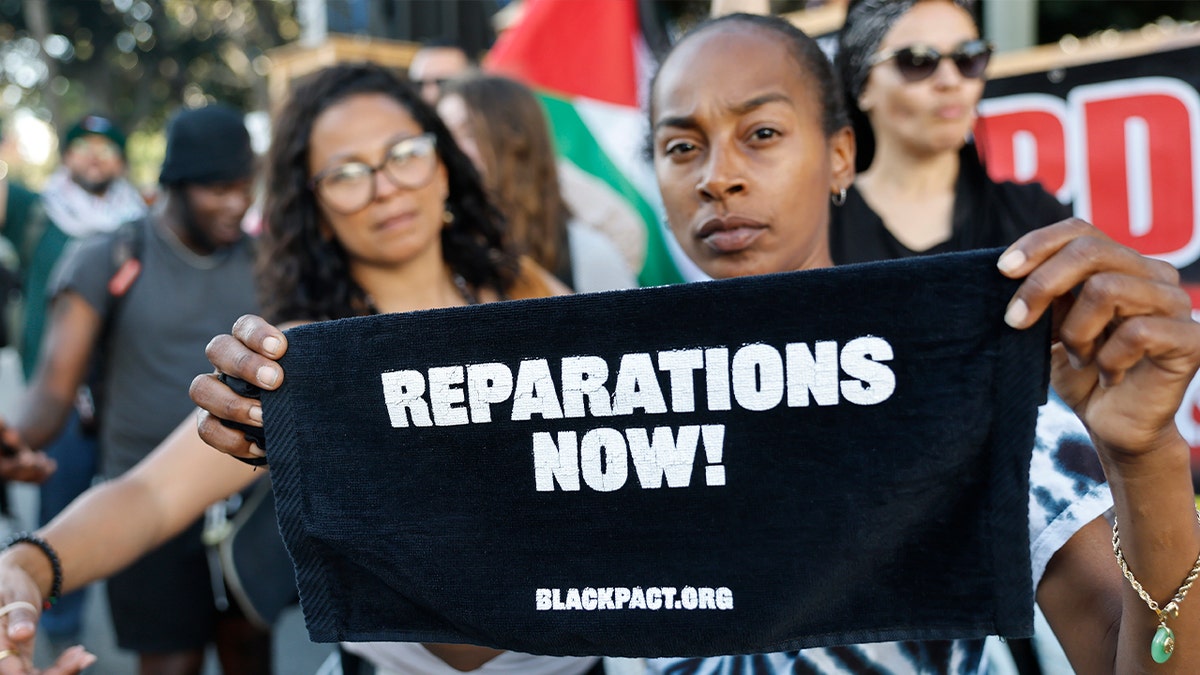
The Department of Justice (DOJ) intends to join a class-action lawsuit challenging Evanston’s ‘Local Reparations Restorative Housing Program.’ Federal prosecutors argue that this initiative unlawfully distributes benefits based on race and ancestry, according to a filing by the DOJ’s Civil Rights Division.
Assistant Attorney General Harmeet K. Dhillon commented on the matter, stating, “There are sound ways for a city to remedy past discrimination or direct resources to its most vulnerable citizens and neighborhoods. Simply handing out money based on race, however, is not the answer. It is race discrimination, pure and simple. And it is illegal.”
The lawsuit claims the program violates the Equal Protection Clause of the Fourteenth Amendment and the Fair Housing Act by providing financial assistance for housing based on race. Established in 2019 and implemented in 2021, the program offers $25,000 grants to eligible Black residents or their descendants for home-related expenses, including purchases and repairs. To qualify, applicants must have lived in Evanston during a period known for systemic housing discrimination or be a direct descendant from that era.
The DOJ argues that the program is not ‘narrowly tailored’ because it uses race as the sole criterion for eligibility without requiring proof of personal harm from past city policies.
The litigation began when Judicial Watch filed a class-action lawsuit in May 2024 on behalf of six non-Black Evanston descendants, arguing their exclusion from the program was unconstitutional. In March, a U.S. District Judge allowed the lawsuit to proceed after denying the city’s dismissal motion. The DOJ also initiated a civil rights investigation into the city’s practices this year.
So far, Evanston has allocated over $7 million from the $20 million fund derived from a local tax on legal marijuana sales. The Reparations Committee recently distributed $25,000 payments to 44 more residents. Despite the DOJ’s involvement, Evanston stands by its program, releasing a statement affirming its legality and refraining from further comment.
Other cities and states, such as Illinois, are considering similar reparations programs. Nearby, Chicago’s Mayor launched ‘Repair Chicago’ to gather experiences of harm faced by Black residents in an effort to implement a reparations initiative. The DOJ has yet to respond to inquiries about the filing.