The Israeli-Hezbollah Conflict and Its Impact on U.S.-Iran Relations
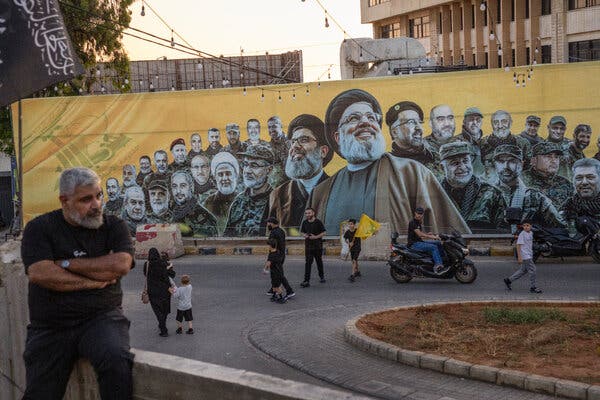
The conflict involving Israel and Hezbollah, traditionally seen as a secondary front to the American-Israeli confrontation with Iran, has emerged as a significant barrier to resolving tensions. This shift was highlighted on a recent Friday when hostilities between Hezbollah, supported by Iran, and Israel escalated. This escalation led to the collapse of fresh negotiations between Tehran and Washington in Switzerland.
Although no official reason was given for the postponement, three diplomats, speaking anonymously, revealed that Iran withdrew from the talks in response to Israeli attacks in Lebanon. Mohanad Hage Ali, a senior fellow at the Carnegie Middle East Center in Beirut, explained, “Iran’s new leadership considers Lebanon integral to its national security, especially after Israeli advances against Hezbollah in 2024, which triggered direct confrontations with Iran. In Iran’s view, the ultimate goal is an Israeli retreat from Lebanon.”
This recent diplomatic setback marked the second occasion in recent weeks that the Lebanon conflict disrupted U.S.-Iran dialogues. Earlier in the month, Israeli airstrikes near Beirut prompted Iran to retaliate with missile launches at Israel, followed by Israeli counterattacks across Iran.
These tensions surfaced shortly after the USA and Iran reached a preliminary agreement aiming to cease their prolonged conflict. This agreement outlined a commitment to “immediately and permanently halt military actions” in Lebanon and emphasized the protection of Lebanon’s “territorial integrity and sovereignty.”