Debating Birthright Citizenship in the U.S.
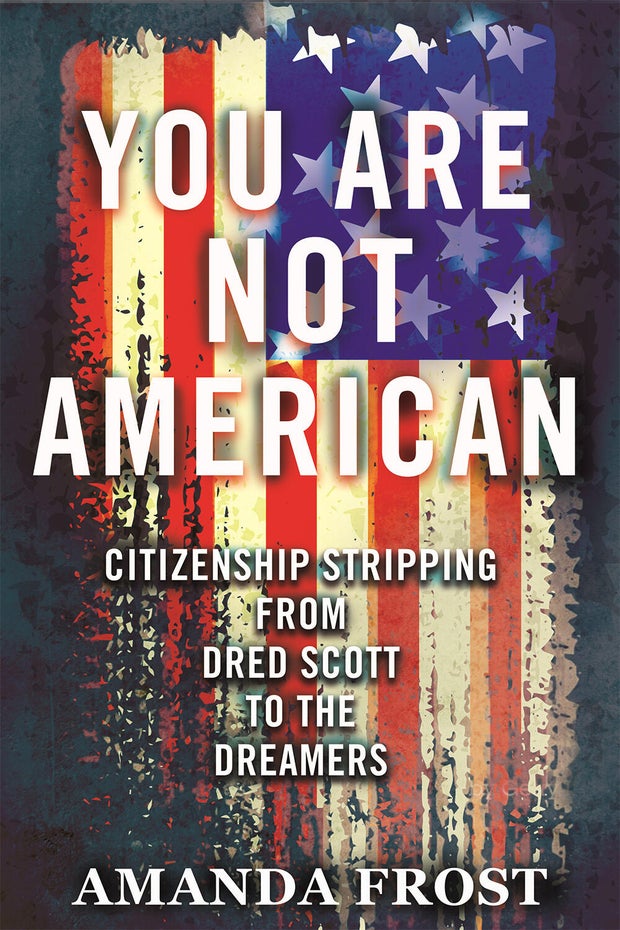
Birthright citizenship is a constitutional principle outlined in the 14th Amendment, stating that anyone born in the United States is automatically a U.S. citizen. University of Virginia law professor Amanda Frost clarifies that this applies universally, except for children of diplomats and occupying armies.
Despite the clarity in the law, public opinion is divided. A Pew Research Center poll reveals a nearly even split on this issue, with half supporting citizenship for children of undocumented immigrants, and the other half opposing.
In January 2025, President Trump issued an executive order aimed at narrowing the application of the 14th Amendment. This order sought to deny citizenship to most children born to undocumented or temporary resident parents. The policy was challenged in court, with the Supreme Court set to decide the issue.
Historically, the Supreme Court addressed citizenship in the Dred Scott v. Sandford case of 1857, which denied citizenship to Black individuals, enslaved or free. The 14th Amendment later rectified this injustice, ensuring citizenship for all born in the U.S., including former slaves and immigrants’ children.
The significance of Wong Kim Ark’s case, a U.S.-born child of Chinese immigrants, was profound. Denied reentry due to the Chinese Exclusion Act, Wong Kim Ark fought for his rights, ultimately winning a Supreme Court victory that reaffirmed birthright citizenship.
However, debates continue, particularly regarding children of unauthorized immigrants. Political scientist Rogers Smith’s scholarship is cited by those advocating for restrictions, though Smith himself opposes these measures. Smith argues Congress should decide citizenship laws instead of relying on courts.
Globally, universal birthright citizenship is declining. Ireland’s 2005 referendum, which rescinded automatic citizenship, is a notable example. This legal shift affected individuals like Mariam Sobayo, born in Dublin but stateless due to the citizenship law change.
Sobayo’s journey toward citizenship illustrates the challenges stateless individuals face. She obtained Irish citizenship in 2023, offering her newfound freedom and a sense of belonging.
Professor Frost opposes eliminating birthright citizenship in America, emphasizing its role in integrating immigrants. She suggests the debate could foster discussions about equality and America’s foundational values, rejecting monarchy and embracing egalitarian principles.
For further information: Amanda Frost’s ‘You Are Not American’ explores U.S. citizenship issues. Rogers Smith’s views on birthright citizenship are another resource for understanding this complex topic.