Scam Survival: The Challenges Faced by Americans
Scam attempts are a constant nuisance for most Americans, according to recent surveys. Approximately 3 in 10 people have lost money or personal information due to scams, highlighting the pervasive nature of this issue.
The Associated Press-NORC Center for Public Affairs Research conducted a poll in February, revealing the daily hurdles U.S. adults face as they assess calls and messages, trying to distinguish legitimate requests from scams. Another survey by Gallup and the Stop Scams Alliance showed that last year, 1 in 10 adults either fell victim themselves or knew someone in their household who was deceived by scammers, often leading to significant financial loss.
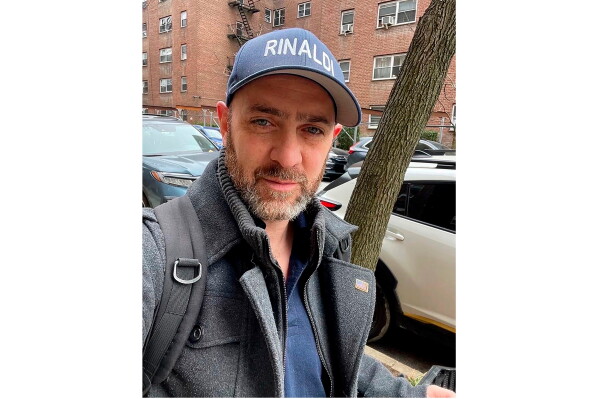
These findings underscore the ongoing risk many Americans perceive as they try to avoid falling prey to scams. Despite widespread concern, both surveys indicated that victims seldom report scams to authorities. A prevalent reason is the perception that reporting would not aid in retrieving lost funds. Adam Pratter, 42, shared his experience with scams encountered through dating apps, emphasizing the sophistication of these ploys.
Pratter believes that banks, social media platforms, and the government should take more active roles in aiding scam victims. This sentiment is widespread among those constantly inundated with scam attempts.
Porschel Smith, 22, experiences multiple scam calls and emails daily. While some scams are obvious, others are more deceiving, as scammers impersonate acquaintances.
Older adults are particularly susceptible, with 7 in 10 individuals aged 60 and above receiving daily suspected scam communications, compared to 4 in 10 adults under 30. Packages and banking-related scams are common, along with attempts via social media platforms like Facebook, WhatsApp, and Instagram.
Scams impact nearly half of Americans, who know someone personally affected, with 3 in 10 having fallen victim themselves. The financial impact varies, with losses ranging from $125 to $2,000 frequently reported, and some experiencing repeated scams.
Despite recognizing the threat, confidence in the government’s preventive measures is low. Many Americans believe the government is inadequate in combating scams. More victims choose to report to financial institutions than to law enforcement, driven by skepticism about reclaiming lost money.
Max Anderson, 23, recounted his parents’ ordeal with a sophisticated scam involving impersonation of employees. Ultimately, intervention by the FBI offered some resolution, reflecting a necessary role for government and businesses in addressing the scam epidemic.
The AP-NORC poll encompassed 1,133 adults from Feb. 19-23, with a margin of error of ±4 percentage points. The Stop Scams Alliance-Gallup poll surveyed 5,173 adults from Jan. 8-Feb. 18, with a margin of error of ±1.4 percentage points.