Senator Murphy’s Minimum Wage Proposal: A Living Wage Debate
Rebuilding the Democratic Coalition
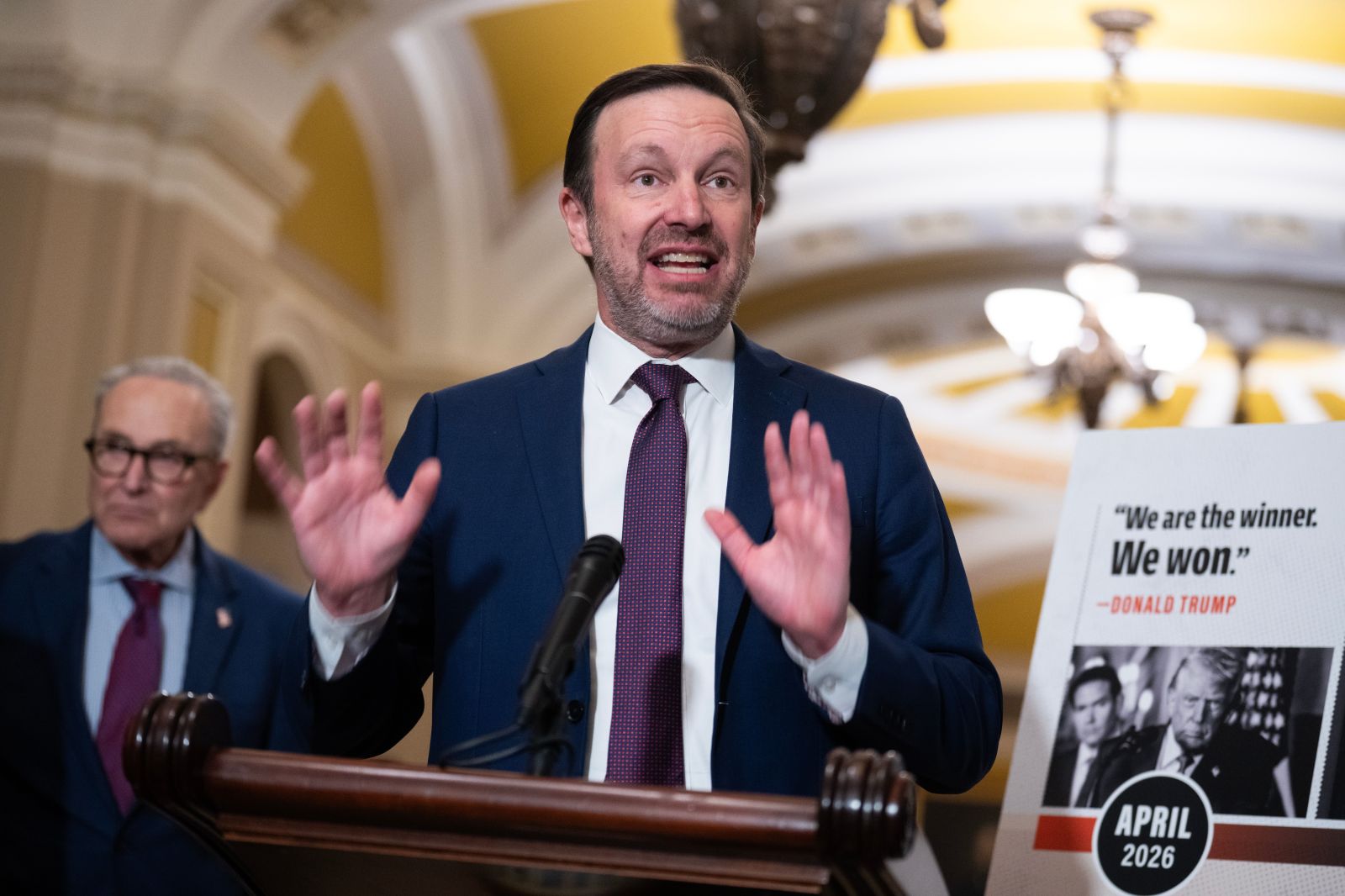
Senator Chris Murphy emphasizes increasing the federal minimum wage to unify the Democratic coalition and regain support from working-class Trump voters. His proposal on NBC News’ Meet the Press suggests raising the federal minimum wage to $25 an hour to resonate with voters across party lines. Murphy argues capitalism’s current form has failed many, with 40% of Americans unable to cover a $400 emergency expense despite full-time work.
A Proposal for a ‘Living Wage’
The “Living Wage for All Act” aims to gradually increase the wage floor to $25 an hour over several years. Large corporations must comply by 2032, while small businesses have until 2039. The first-year increase raises the minimum from $7.25 to $12 an hour. No U.S. state currently mandates $25 an hour, with Washington state’s $17 per hour as the highest. Murphy argues that a gradual increase will create jobs rather than cause losses.
The legislation would adjust the minimum wage annually, aligning with two-thirds of the national median wage to ensure it rises with economic growth.
Addressing Economic Frustration
Murphy’s strategy targets former Trump voters, focusing on economic issues rather than rigid partisan ideologies. He believes Democrats should address economic frustrations like wage increases to attract disaffected voters. Social issues should remain flexible to broaden appeal, allowing former Trump supporters to find a place within the Democratic Party.
Murphy rejects adopting the socialist label despite some Democratic voter support, preferring “common good capitalism.”
The Cost-of-Living Squeeze
The proposal comes amid rising costs for necessities, often outpacing wage growth. The Urban Institute reports U.S. home prices increased 81% since 2017, with rents up 54%. Habitat for Humanity data shows a median U.S. home priced at $412,500 requires an annual income of around $126,700. The USDA notes food costs rose 3.2% in 2025, with inflation at about 4.2%.
Murphy stresses the need for economic intervention to ensure full-time workers can cover basic expenses. He argues, “In the most affluent, most powerful country in the world, if you work full-time, you should be able to pay your bills.”
The proposal faces challenges in a divided political landscape, with Republicans warning it may harm economic growth and fuel inflation.