Firefighters Face Deadly Conditions in Wildfires Across Western States
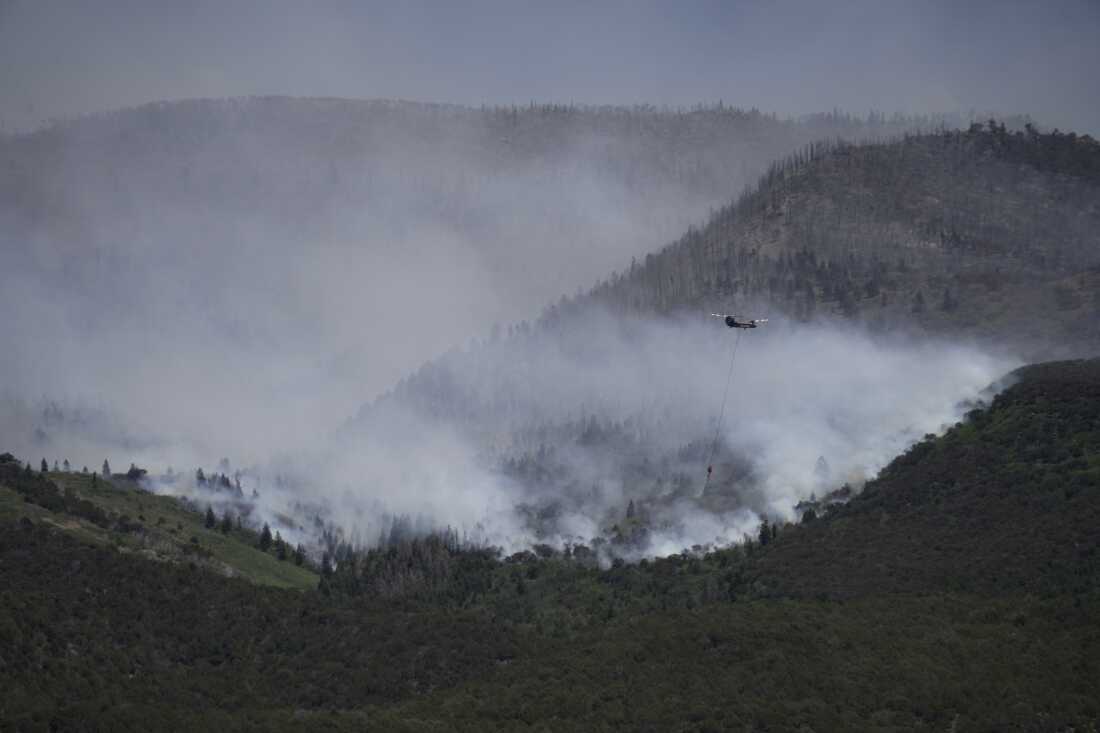
A helicopter dropped water on the Cottonwood Fire in Beaver, Utah, on June 27, 2026. The U.S. Wildland Fire Service announced the tragic loss of three firefighters and injuries to two more while combating fires at the Colorado-Utah border. These brave individuals were part of a team responding to the Knowles and Gore fires.
The agency expressed sorrow on Facebook, stressing support for the families affected. ‘Their bravery, dedication, and sacrifice will never be forgotten,’ the service stated.
The Department of the Interior revealed the firefighters were involved in a ‘burnover incident,’ indicating they took cover as fire swept directly over them. Two survivors are now receiving treatment for burns.
Extreme Fire Conditions
Fires in Utah, Colorado, and Arizona have grown due to low humidity, high temperatures, and strong winds. Such conditions have escalated fire behavior, overwhelming resources and prompting emergency declarations from Utah and Colorado governors.
Uncontained Cottonwood Fire
The Cottonwood Fire in southern Utah’s Beaver County spans over 144 square miles and remains uncontained, making it the largest active wildfire in the U.S. The blaze has already damaged the Eagle Point ski resort and demolished summer cabins, though assessments of the destruction are underway.
Residents of Marysvale, Junction, and Circleville were alerted to evacuate as the situation worsens. The Snyder Fire, now covering more than 28,000 acres, began in Utah’s Grand County and merged with Colorado’s Jones and Knowles Fires.
Alyssa Mason, a spokesperson for the Cottonwood Fire, shared that weekend conditions included single-digit humidity and wind gusts around 45 miles per hour, along with critically low fuel moisture levels of 2-8 percent. This grounded aerial firefighting efforts temporarily on Friday and Saturday.
Challenges in Fighting the Blaze
Tough terrain further complicates firefighting efforts, creating difficulty in positioning heavy equipment and slowing response times. Governor Spencer Cox described the challenging conditions as unprecedented and praised rescue teams for their brave efforts. He urged prayers for firefighting teams and much-needed rain.
The National Weather Service in Salt Lake City issued a rare ‘particularly dangerous situation’ red flag warning due to the volatile combination of wind, heat, and low humidity, with predictions extending into Sunday.
Underlying Conditions for Fire Surge
Months of worsening conditions have set the stage for extreme fire behavior, according to experts. Utah’s recent season saw its lowest snowpack and warmest winter on record, causing early snowpack peaks that led to dry soils and vegetation.
A widespread drought has affected the region, including Nevada and Colorado, after an unusually dry winter. State Forester Jamie Barnes highlighted increased fire movement near populated areas, pushing Utah’s firefighting resources to their limits. Governor Cox declared a state of emergency, curbing fireworks ahead of Independence Day celebrations.
Similarly, Colorado Governor Jared Polis announced an emergency, deploying the National Guard to assist with firefighting efforts. The National Interagency Fire Center reported nearly 3 million acres scorched nationwide this year, surpassing the 10-year average.
Fire crews continue to tackle numerous blazes from Alaska to Florida, including approximately three dozen large, uncontained fires. Red flag warnings have been issued across much of the Western U.S., including California and New Mexico, due to additional ongoing fires.