Florida’s Approach to AI Data Centers and Consumer Protection
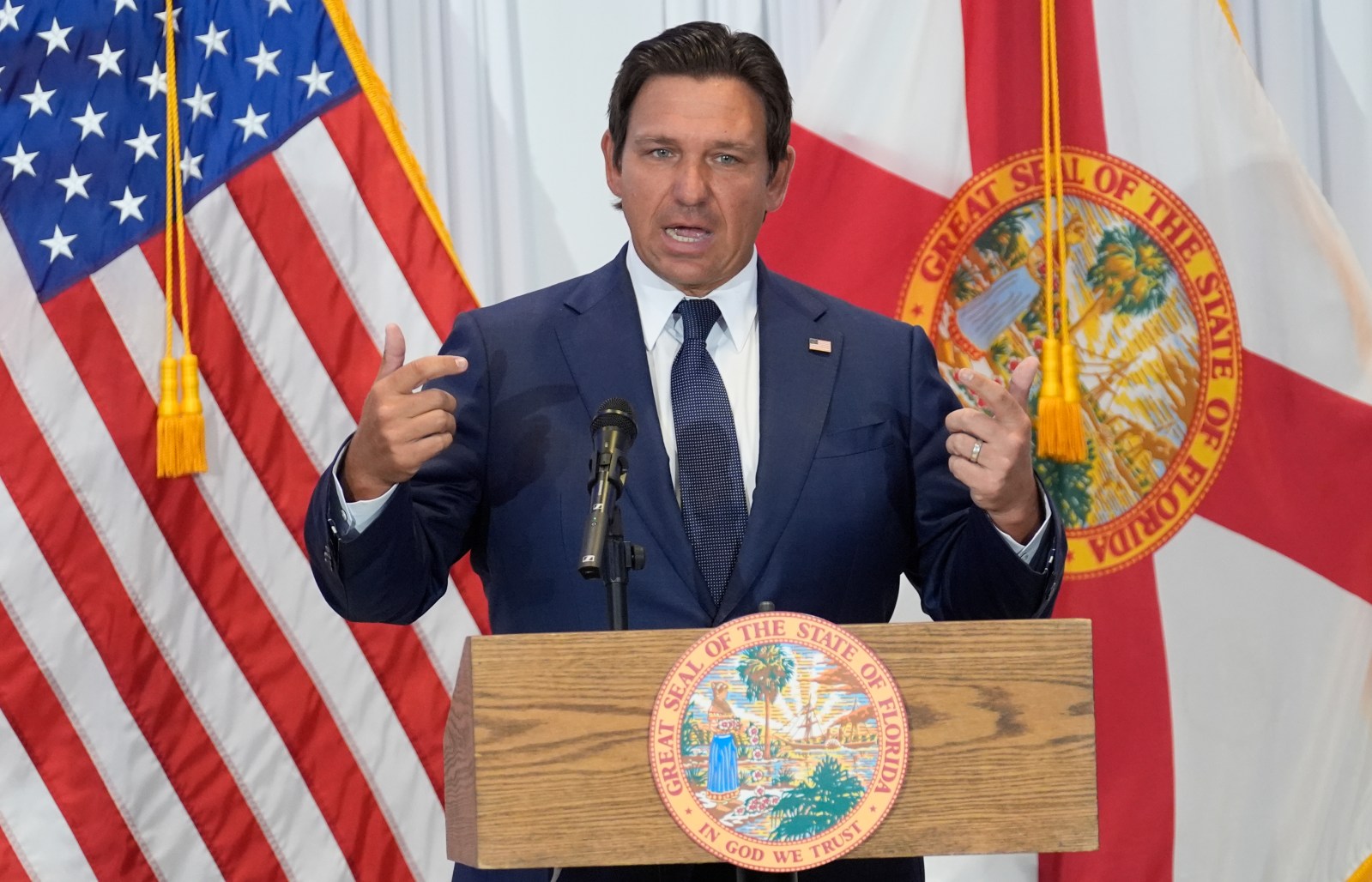
Florida Governor Ron DeSantis has taken a firm stance against the rapid growth of artificial intelligence data centers. He argues that residential utility customers should not bear the financial burden of these energy-intensive facilities. In May, DeSantis signed a law mandating state regulators to exclude AI data centers’ infrastructure and operational costs from residential electricity bills. This legislation makes Florida one of the first states to protect consumers from the strain data centers impose on the power grid.
During the bill-signing ceremony, DeSantis stated, “You should not, as a hard-working Floridian, have to subsidize some of the wealthiest companies in the history of humanity.” However, despite his public opposition to these facilities, his administration still supports enticing those companies with lucrative tax incentives. This highlights the complex challenge state leaders face in securing a foothold in the future high-tech economy without financially burdening taxpayers.
How DeSantis Has Moved to Restrict Data Centers
Under Senate Bill 484, large-scale AI data centers are required to cover the full cost of their utility service. The law prevents utility providers from passing development or electricity costs on to Florida’s residential and small-business customers. It also affirms that local governments maintain authority over zoning, permitting, and land use, allowing municipalities to set stricter local standards or reject project proposals altogether.
Despite these measures, the bill encountered resistance during the legislative process. Initial drafts were significantly weakened by removing provisions that would have prohibited government officials from signing nondisclosure agreements with AI data center developers.
How Florida Is Still Trying to Lure Data Centers Into Florida
Florida’s initiatives to attract tech infrastructure began in July 2017 with a tax exemption for data centers, prior to the current wave of AI development. This policy waives sales and use taxes on data center infrastructure, equipment, property, and electricity consumption. Initially set to expire in 2022, state lawmakers have extended the exemption twice, most recently until 2025.
Last year, the legislature adjusted the incentive to target larger projects. Starting August 2025, eligible facilities must reach a minimum cumulative capital investment of $150 million and support a critical IT load of 100 megawatts or higher, up from the previous threshold of 15 megawatts. This excludes smaller facilities moving forward. The revised exemption, with an application deadline of June 30, 2037, continues to cover equipment, infrastructure, electricity, and construction materials exclusively used by data centers.
GOP state Representative Wyman Duggan sponsored the amendment, stating that the governor supported the extension. DeSantis’ office previously proposed making the tax break permanent. State Department of Revenue data shows three companies—Iron Mountain, Metrobloks, and TensorWave—utilized the exemption since 2017, operating properties in the Miami area. A spokesperson for Iron Mountain emphasized the tax break encourages local investment, stating it is not taxpayer-funded.
“Iron Mountain and our customers pay significant property tax to Miami-Dade County, which determines how this tax income directly benefits the local community through schools, roads and other County infrastructure,” the company wrote.
The Next Move Will Be Up to DeSantis’ Successor
With DeSantis term-limited and set to leave office in January 2027, shaping Florida’s tech-energy policy will fall to his successor. Representative Byron Donalds, the leading candidate for the Republican nomination for governor, co-sponsored the state’s original data center tax exemption as a lawmaker in 2017.
A statement from Donalds’ spokesperson promised strict consumer protections ahead. “This 2017 bill was a broad tax relief bill, and as Governor, Byron will continue working to cut taxes for Floridians at every opportunity,” the statement said. “He will put Floridians first by requiring tech companies to supply their own power demand for any potential AI data center, putting ironclad taxpayer rate protections in place, and protecting Florida’s water resources from abuse.”
Public sentiment remains skeptical about these facilities. A Gallup survey found that 70 percent of Americans oppose constructing AI data centers in their communities, with 48 percent strongly opposed. In Florida, support aligns closely with regulatory restrictions. Polling by Sachs Media revealed that nearly 90 percent of voters favored the utility-protection law signed by DeSantis.
Local governments are already reacting to these concerns. More than a dozen Florida cities and counties have enacted temporary pauses on data center approvals, citing worries about local water supplies, grid capacity, and environmental impacts.