Commemorating the Battle of Little Bighorn: A Reflection on History and Hope
A Gathering in Montana
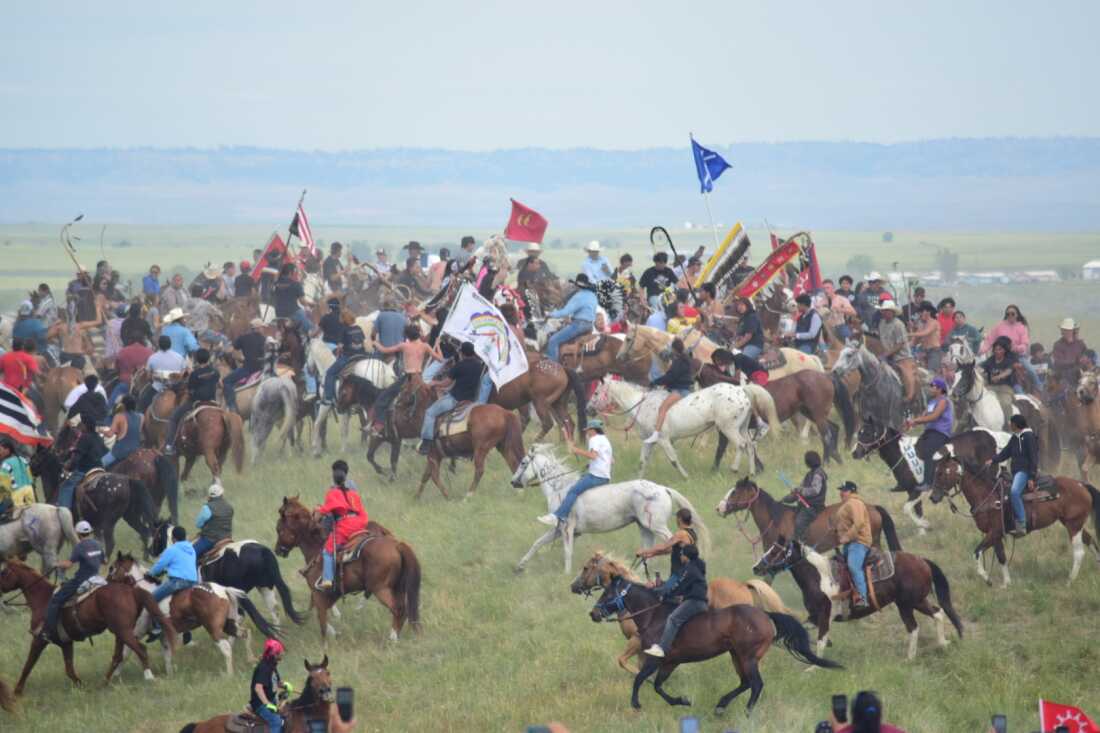
On June 25, under the vast sky of Montana, hundreds from 19 tribal nations assembled at the Battle of Little Bighorn National Monument. Native American riders charged onto the historic battlefield as their ancestors did 150 years ago, defeating the U.S. Army’s 7th Cavalry commanded by Lt. Col. George Armstrong Custer.
These riders, some adorned in traditional regalia and others in casual wear, circled the hill while carrying tribal flags, symbolizing the unity that led to their victory on June 25, 1876. Gaby Strong, a Sisseton-Wahpeton and Mdewakanton member, emphasized the ongoing importance of unity and victories for their people.
Historical Context
Custer aimed to relocate Native Americans onto reservations, particularly after gold was discovered in the Black Hills in 1874. Indigenous peoples were instructed to report to Indian Agencies or be deemed hostile. Leaders such as Crazy Horse and Sitting Bull united villages and tribes in resistance.
Several battles occurred in what are now Montana and South Dakota, with military forces attempting to enforce reservations. Christopher Eagle Bear, a Sicunga Lakota from the Rosebud Sioux Tribe, narrated Crazy Horse’s efforts to unite tribes for a larger cause than themselves.
Custer tracked a village with diverse tribes including Oceti Sakowin (Sioux), Cheyenne, and Arapaho, aided by Arikara and Crow scouts. In June 1876, Custer divided his forces into three columns to encircle the village. By June 25, the village hosted an estimated 8,000 people. Fearing their escape, Custer attacked prematurely, a fatal error.
The battle known as the Battle of Greasy Grass saw Custer’s outnumbered forces defeated. By its end, 268 of Custer’s men were killed, including Custer himself, whereas fewer than 100 Native Americans, including women and children, perished.
The Aftermath and Assimilation
Custer’s defeat sparked nationwide alarm, prompting the U.S. government to shift its Indian policy towards forced assimilation. This led to opening federal Indian Boarding Schools, beginning with Carlisle, Pennsylvania, in 1879—a practice aimed at erasing Native cultures.
Eagle Bear explained the intent behind this policy: “They realized that they couldn’t destroy us head on. … So after that, they did the next best thing that you could do to tear apart a nation, and that was take away the children.”
Inspiring Future Generations
At Little Bighorn River’s anniversary encampment, people dismantled tipis, following ceremonies and storytelling sessions honoring their ancestors. Eagle Bear camped at the historic site, encouraging youth to remember and celebrate their identity.
“Someday from now, you know, the kids here today will come together for the 200th anniversary,” Eagle Bear said, cherishing the presence of youth at the commemoration.
Nearby, children played lacrosse with traditional sticks, surrounded by Sicunga Youth Council members preparing meals. Ashlen Bonshirt from the council expressed joy at the successful planning of youth-focused activities.
Thirteen-year-old Gianna Larocque-Mahto, Dakota from the Sisseton-Wahpeton Oyate, highlighted educational gaps regarding Native perspectives on historical events. She emphasized the need for inclusive learning from different viewpoints.
Champion Marquez, an 18-year-old Cheyenne, volunteered around the camp, assisting elders and setting up tipis. Marquez felt hopeful about future generations learning firsthand about the events at Little Bighorn.
Children from diverse tribal backgrounds playing lacrosse together demonstrated enduring unity. As Marquez noted, “Seeing all this here just [reassures] that … we’re still here.”