Push for Experimental Nuclear Reactors Faces Mixed Reactions
Nuclear Reactor Initiatives
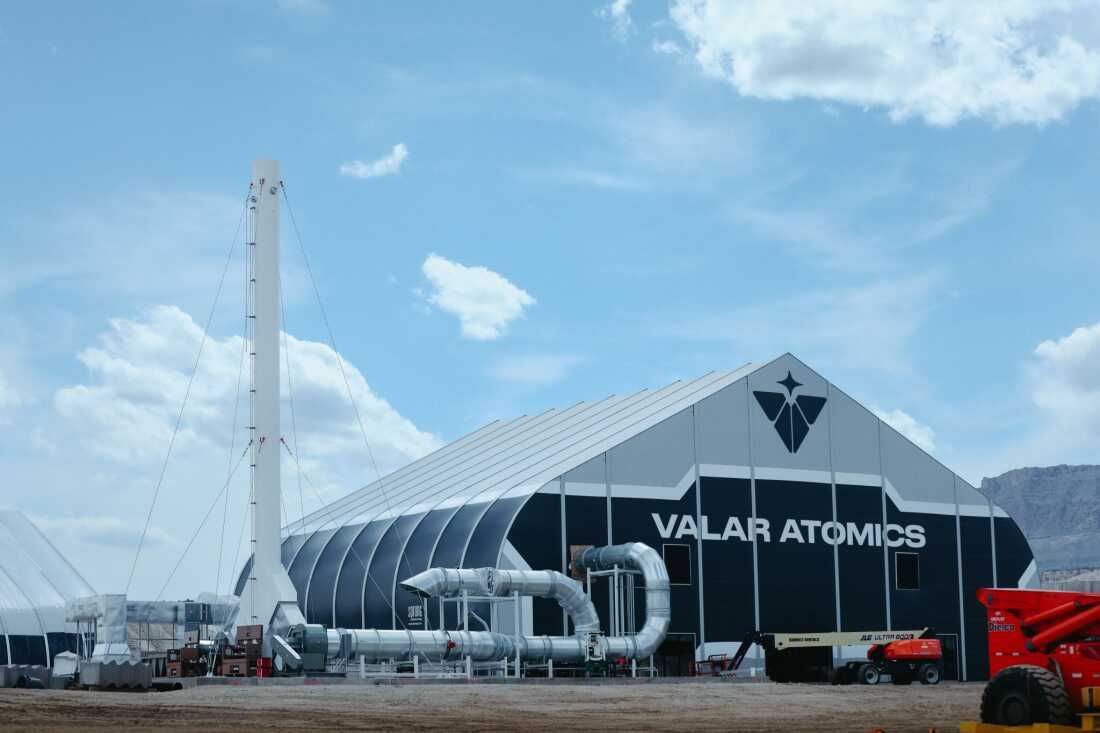
Valar Atomics, among the pioneers in new nuclear technologies, recently activated its experimental reactor. Developed within a tentlike setup in the Utah desert, the reactor achieved functionality on June 18.
Presidential Goals and Government Program
Over a year ago, President Trump challenged American companies to build at least three experimental nuclear reactors by July 4, 2026, aligning with the nation’s 250th anniversary. The Department of Energy responded with a Reactor Pilot Program, allowing rapid development by reducing regulatory barriers.
With the deadline approaching, various companies have already activated their reactors. Antares Nuclear went critical on June 4, and Valar Atomics followed suit with its reactor, now producing tens of kilowatts of heat.
Nick Touran, Ocean Atomics’ chief nuclear officer, noted the unprecedented speed of development and highlighted potential acceleration for the U.S. nuclear sector.
Concerns Over Speed and Safety
While quick progress is celebrated by some, others express apprehensions regarding safety. Edwin Lyman from the Union of Concerned Scientists criticized the deregulation, viewing it as reverting to outdated practices.
Innovations in Reactor Technology
At Idaho National Laboratory, Radiant is developing compact reactors meant for diverse applications such as disaster relief and data centers. Rita Baranwal, Radiant’s chief nuclear officer, revealed plans for testing but acknowledged their reactor won’t meet the critical deadline.
Radiant’s innovative design employs spherical nuclear fuel, resembling small gobstoppers, which allows operation at higher temperatures and improves safety.
Their goal is to mass-produce these smaller reactors, aiming for about 50 annually, enhancing the flexibility and deployment capability of nuclear power in the U.S.
Regulatory Adjustments and Safety Concerns
The rapid development comes with concerns about regulatory adjustments. The Energy Department eased safety and security protocols, drawing criticism for excluding public consultation.
Lyman highlighted potential risks, noting that relaxed standards might jeopardize security and environmental monitoring, especially as these reactors are deployed nationwide.