Understanding the Complexity of ‘Born in the U.S.A.’ by Bruce Springsteen
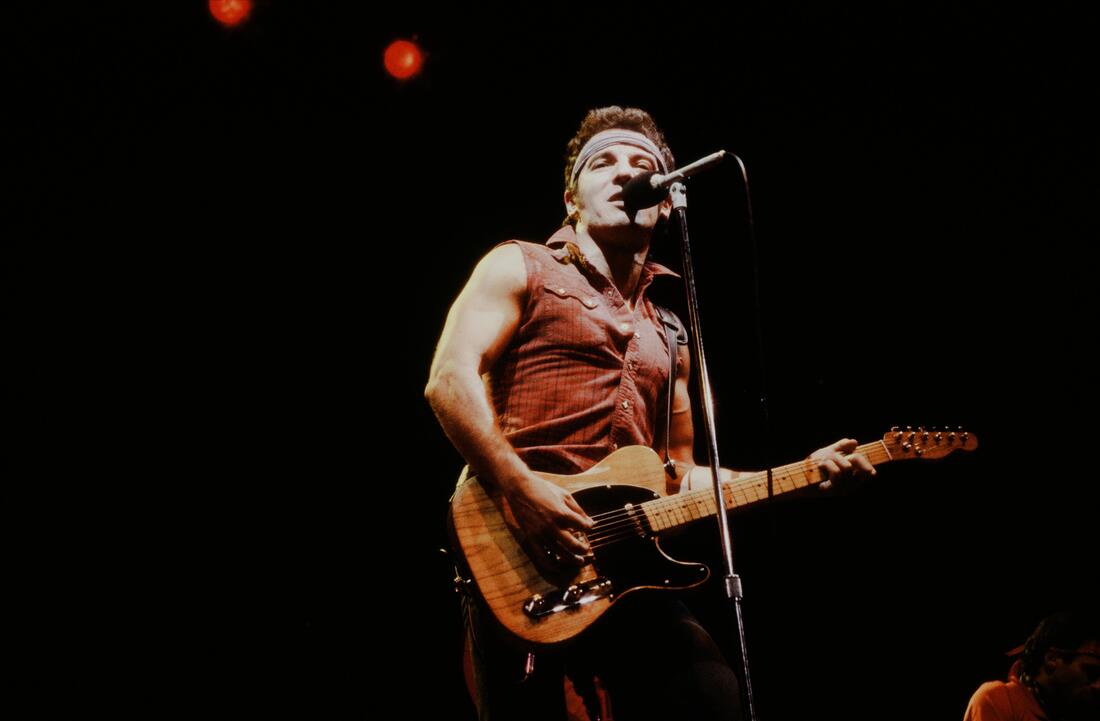
In 1984, Bruce Springsteen stood onstage during his Born in the U.S.A. Tour, capturing attention with a song that, at first glance, seemed like a patriotic anthem. Accompanied by a powerful refrain, ‘Born in the U.S.A.’ projects energy and defiance; however, the lyrics tell a subtler story.
The song depicts a Vietnam War veteran returning to a home with few opportunities and a sense of despair. Springsteen’s words illustrate the struggles faced by many, revealing a social reality that contrasts with the music’s triumphant sound. This duality makes ‘Born in the U.S.A.’ one of the most misunderstood hits in American music history.
The Genesis of a Meaningful Anthem
Springsteen’s inspiration came after a benefit concert for Vietnam veterans in Los Angeles during the summer of 1981. He spoke with veterans, which planted the seed for his song. Initially titled ‘Vietnam,’ the rough demo captured the essence of a veteran’s return to a hometown devoid of opportunities. As he evolved the narrative, Springsteen retained key elements while adding the now-famous refrain.
Son, understand, if it was up to me… ‘Bout half the town’s out of work.
This refrain amplifies the contrast between the verses’ harsh reality and the seemingly hopeful chorus, echoing the struggle of countless individuals.
Reaching Mainstream Success
When ‘Born in the U.S.A.’ became the title track of his hit album, Springsteen amplified the vocals and music, creating a sound that resonated as a celebration. Onstage, this energetic delivery captivated audiences, though many missed the song’s deeper message. Even political figures, like President Ronald Reagan, interpreted it as a message of hope, a sentiment echoed in his 1984 campaign speech.
Journalist George F. Will, after attending a Springsteen concert, praised the performance in political terms, admiring the energy and dedication of the E Street Band. However, Springsteen’s political stance differed from Reagan’s, and he responded humorously to the misunderstandings of his song, recognizing that such interpretations boosted his popularity.
Adapting Over the Years
Over time, Springsteen continued to explore the song’s layers. In some performances, he adjusted the delivery, presenting acoustic versions that highlighted the veteran’s story, devoid of the raucous chorus. This adjustment allowed audiences to confront the song’s stark narrative.
During the approach of the U.S. invasion of Iraq in 2003, Springsteen labeled ‘Born in the U.S.A.’ a prayer for peace, further expanding its relevance. According to NPR Music director Lauren Onkey, the song’s enduring power lies in its complexity, which mirrors the nation’s ambiguities and challenges. It is a rock-and-roll anthem that uses both sound and story to push towards a vision of American ideals.
The enduring resonance of ‘Born in the U.S.A.’ reflects the tension between relentless optimism and the pursuit of change, urging listeners to strive for a country that aligns more closely with those ideals.
Daoud Tyler-Ameen contributed additional insights for the digital presentation of this exploration.