The Legacy of Three Presidents Born in 1946
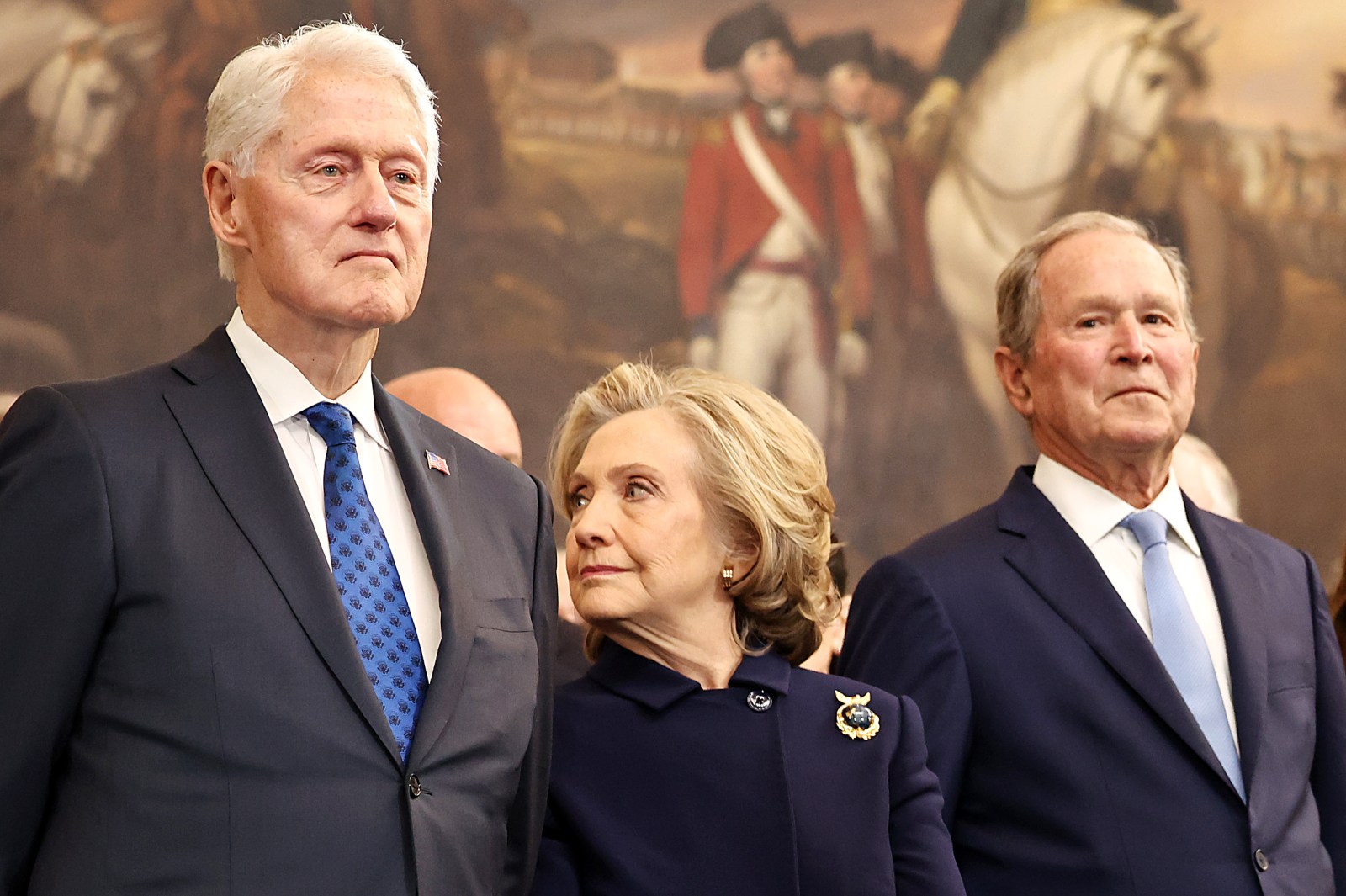
In the summer of 1946, within a brief span of 66 days, three men were born who would later ascend to the United States presidency. These individuals, Bill Clinton, George W. Bush, and Donald Trump, came into a nation that had just emerged victorious from World War II, brimming with aspirations and expectations. Their respective tenures as presidents unfolded at different times, each reflective of the changing global landscape.
Birth and the American Global Order
Clinton, Bush, and Trump were born after the conclusion of World War II but before the new global settlements took shape. At the time of their births, the North Atlantic Treaty Organization (NATO) had yet to form, the Berlin Blockade was unimagined, the Korean War was several years ahead, and the Cold War was just beginning. Their lives span the duration of the American-led global order, highlighting the progress and evolving challenges of a system once confidently constructed.
Their 80th birthdays this year underscore a symbolic passage of time. As Bush turns 80, joining Trump, who marked this milestone on June 14, and Clinton, who will celebrate on August 19, we reflect on how their presidencies charted America’s course from confident world architect to a nation with growing uncertainties about its role.
Bill Clinton: Embracing Globalization
At age 46, Bill Clinton began his presidency in 1993 as one of the youngest ever to hold the office. His time in the White House was characterized by the U.S. reaching its peak as a dominant superpower. Following the collapse of the Soviet Union, the 1990s marked an era of economic prosperity with a record period of economic expansion from March 1991 to March 2001. Low inflation, falling unemployment, and budget surpluses defined his tenure. Clinton’s administration celebrated globalization, promoting free trade and integrating the United States deeply into a thriving network of global connections.
George W. Bush: Crisis and Change
George W. Bush’s presidency marked a distinct shift from the previous decade’s perceived stability. The bursting of the dotcom bubble in 2000 and the tragic events of September 11, 2001 shattered complacency. They ignited a new era focused on security threats, resulting in military actions in Afghanistan and Iraq. The focus shifted from globalization to intervention, altering global perceptions of American power. Prolonged foreign conflicts and the subsequent financial crisis weakened confidence in both the U.S. and its leadership.
Donald Trump: Reevaluating America’s Role
After Barack Obama, Trump’s presidency began amid disillusionment stemming from prolonged wars and waning support for the American economic model. The rise of China challenged American dominance, fueling Trump’s rhetoric that criticized globalization. Emphasizing “America First,” he prioritized tariffs, border security, and industrial policies over free trade. This approach marked a shift away from global partnerships and focused on competition and sovereignty. Trump’s tenure revealed a nation reconsidering the relevance and value of a world order it once championed.
A Shared Chronology: Optimism to Reassessment
The journeys of Clinton, Bush, and Trump portray a timeline of optimism, crisis, and reevaluation. As they all turn 80, they symbolize a bygone era when American global leadership was unquestioned. Their lives and legacies reflect the constant evolution of America’s position on the global stage, from initial confidence to today’s intricate complexities.
Contact Newsweek editor Daniel Orton for more about this story.