The Closure of the Department of Government Efficiency and Its Impact
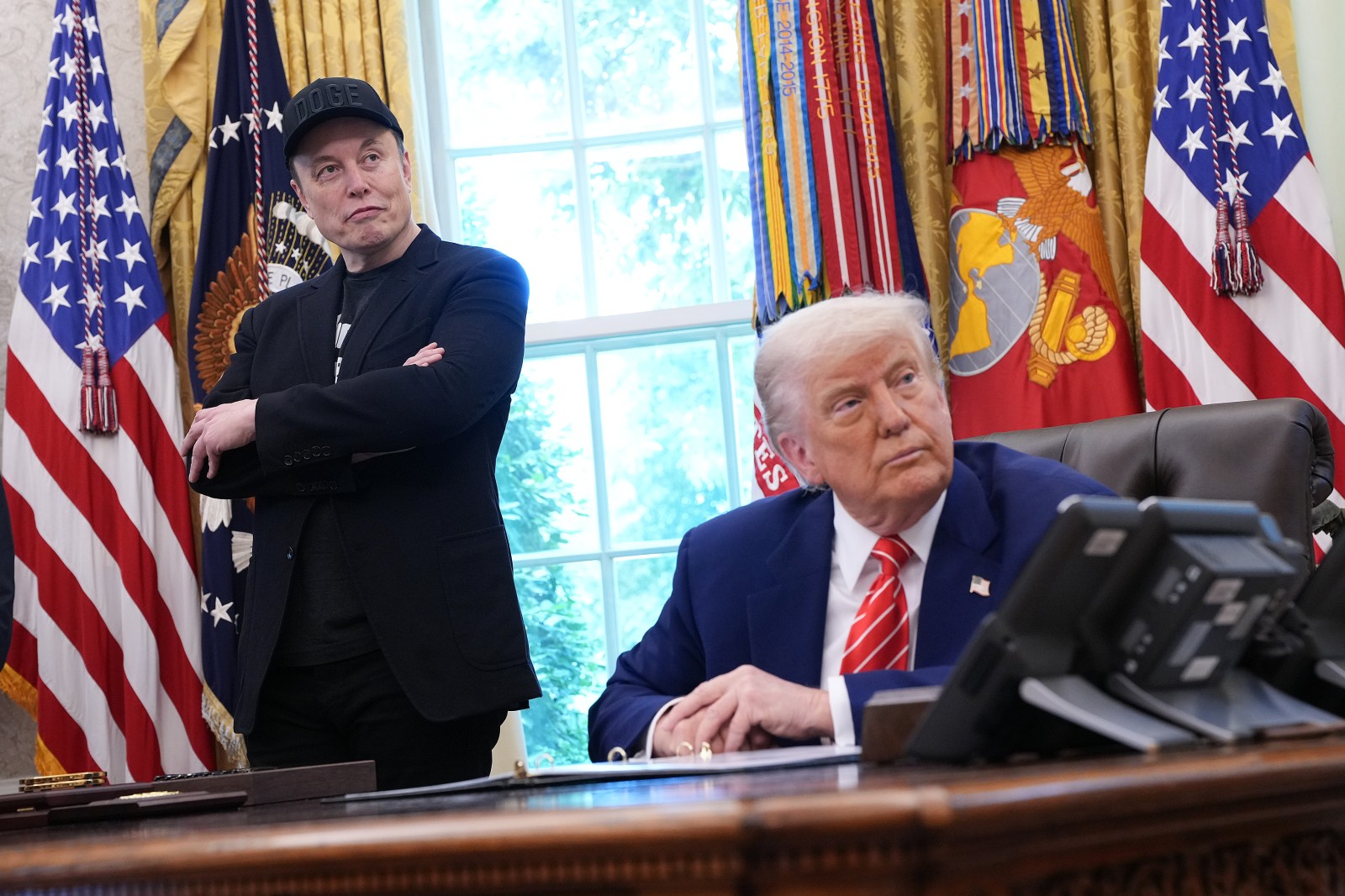
The Department of Government Efficiency (DOGE), a short-lived initiative aimed at reducing government spending, officially concluded operations. Initially launched at the start of Donald Trump’s second term, DOGE was quietly disbanded in late 2025, absorbed into the broader federal agency framework. Despite eight months remaining on its 18-month agenda, DOGE’s charter expired on July 4. Although its formal mission ended, the department emphasized the ongoing commitment to eliminate waste, fraud, and abuse.
Actions led by Elon Musk included reducing the federal workforce and retracting funding from various programs and agencies. The initiative also voided billions in government contracts. However, DOGE fell short of its ambitious savings target and faced criticism from Democrats and those affected by its sweeping cuts.
Early Days of DOGE
On the first day of his second term, President Trump established the DOGE Service Temporary Organization through an executive order, alluding to a more efficient government by America’s 250th Anniversary. DOGE quickly embedded staff in federal agencies and initiated workforce downsizing.
The Office of Management and Budget (OMB) reported 260,000 federal employees left their positions in 2025 due to DOGE’s actions. This led to lawsuits from unions, exacerbated by DOGE’s access to internal data systems of agencies like the Health and Human Services, Social Security Administration, and Department of Energy.
Targeting USAID
The United States Agency for International Development (USAID) was a notable target for DOGE in 2025. There were significant cuts to funding and staffing, nearly dismantling the agency dedicated to foreign aid. Supporters called for reform, while critics worried about impacts on humanitarian programs. Although USAID remains on paper, substantial program eliminations were reported, with a complete shutdown projected for September.
Musk’s Departure
Elon Musk left DOGE in May 2025 to refocus on his businesses, as investor concerns grew over his government role impacting Tesla. At this time, DOGE faced criticism for workforce reductions, contract cancellations, transparency issues, and employee qualifications. Controversy surrounded how DOGE calculated the purported savings.
Dog’s Influence Declines
After Musk’s departure, DOGE’s operations slowed considerably. By November, officials indicated the project’s premature conclusion. The Office of Personnel Management would continue to handle DOGE’s core agenda.
Legacy and Continued Challenges
Court cases persist regarding layoffs, grant cancellations, and data-access issues. DOGE claims to have saved $215 billion, estimating an average of $1,335.40 per taxpayer, though this is far from Musk’s $2 trillion target. Recent federal job postings reflect challenges in agency operations post-DOGE’s reductions.