Drastic Proposal to Address Colorado River Reservoirs
Introduction
A bold proposal has emerged regarding Lake Powell and Lake Mead, two of the largest reservoirs in the United States. The ongoing effort to maintain sufficient water levels at Lake Powell has prompted Colorado River advocates to suggest transferring its water downstream to Lake Mead, effectively retiring Lake Powell as a primary storage reservoir.
Current Situation
Lake Powell and Lake Mead are situated along the Colorado River, which serves as a crucial water source for approximately 40 million people in the West. The river also irrigates over 5 million acres of farmland. Recent discussions have surfaced concerning the viability of Glen Canyon Dam, which was constructed based on historical Colorado River flow predictions that have not materialized.
Expert Views
Zanna Stutts, program director at the Glen Canyon Institute, questions the relevance of Glen Canyon Dam’s existence, stating that current measures are temporary solutions. According to reports, these efforts tend to address short-term needs rather than focusing on sustainable strategies that align with actual river water availability.
Infrastructure Limitations
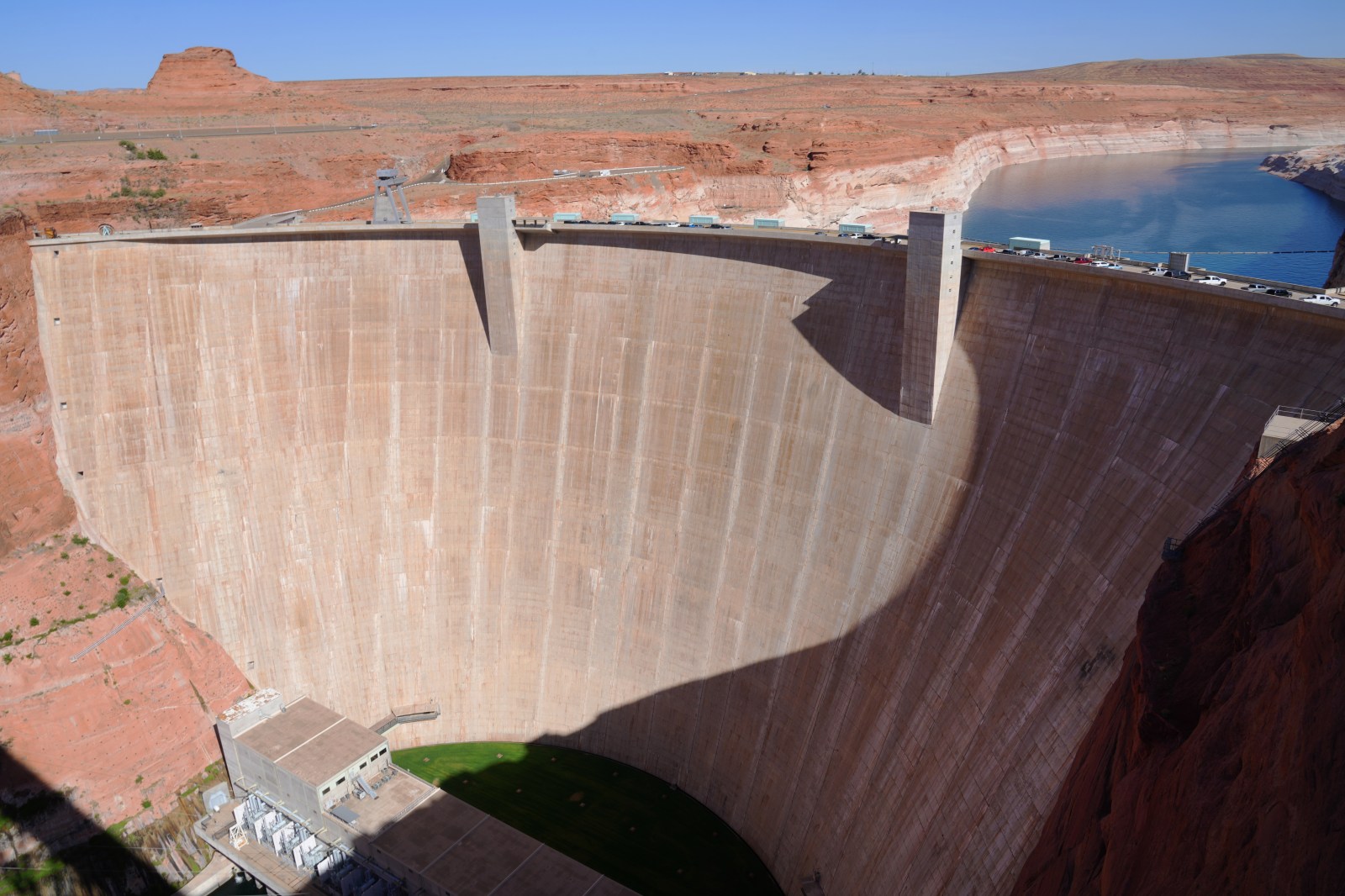
Glen Canyon Dam’s infrastructure limitations pose challenges. A lack of a low-level outlet prevents the release of about 6 million acre-feet of water below a certain elevation. Hence, despite being reported as 23 percent full, much of Lake Powell’s water remains inaccessible.
Proposed Changes
The proposed strategy involves routing Lake Powell’s water downstream to Lake Mead via bypass tunnels around Glen Canyon Dam. This would allow a free-flowing Colorado River through the reservoir area, maintaining the dam for emergency storage should Lake Mead refill.
Impact on Hydropower
Such a proposal would terminate hydropower generation at Glen Canyon Dam. Declining water levels have already endangered the facility’s power production capabilities. Emergency actions by the Bureau of Reclamation have temporarily supported operations but lack a long-term management plan.
Fill Mead First Strategy
The Glen Canyon Institute supports the “Fill Mead First” strategy. This involves consolidating water from both reservoirs primarily into Lake Mead. The plan includes multiple phases, gradually moving Lake Powell’s water downstream and enabling the Colorado River’s natural flow through Glen Canyon.
Current Water Levels
As of early July, Lake Powell was at 23 percent capacity, holding just 35 percent of its average storage for that date. The seasonal outlook suggests warmer conditions in the Upper Colorado River Basin, paired with chances of monsoon-driven moisture, but these may be insufficient to counterbalance evaporation and drought impact.