The Economic Divide and Its Impact on Inflation
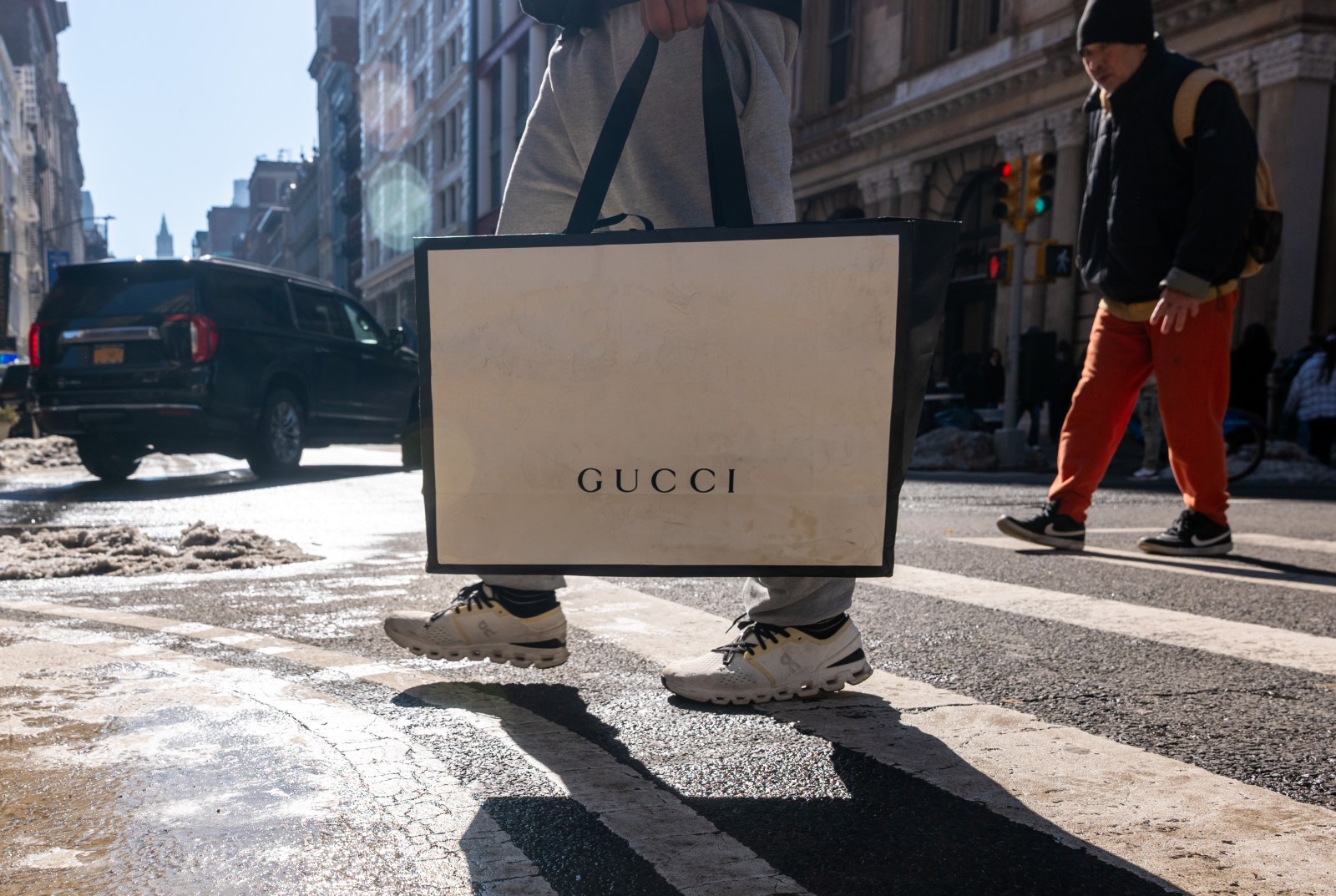
The U.S. economy shows a growing gap between affluent consumers and those struggling, exacerbated by persistent inflation. Consumer spending has consistently accounted for two-thirds of U.S. economic activity. However, a large portion now comes from wealthier households. A study from Bank of America reveals that the top 10 percent of earners match the spending of the bottom 40 percent in major categories. For discretionary items, this affluent group spends nearly as much as the bottom 70 percent combined.
Affluent Consumers Propping up Spending
Inflation hit a three-year high according to the Department of Labor’s recent data. Despite some labor market strength, rising prices have led to a decline in consumer confidence. Yet, spending remains robust, increasing in May as prices rose swiftly. This suggests wealthier consumers are sustaining overall expenditure figures.
The Bank of America Institute highlights that discretionary spending growth is increasingly skewed toward higher-income households. These categories reflect consumer spending health. “If affluent consumers continue spending, inflation might remain stubborn,” researchers noted.
How Inflation Could Depend on America’s Big Spenders
Richer households now represent a large share of discretionary spending. Inflation no longer affects all consumers equally. As a result, wealthier Americans have a significant impact on overall demand.
This pattern aligns with the “K-shape” economists identified. While richer Americans thrive and spend, lower-income households cut back. With affluent spending balancing cautious lower-income behavior, demand remains high. This reduces pressure on businesses to lower prices and sometimes encourages price hikes.
If wealthy Americans spend despite higher rates and rising costs, inflation may persist, impacting lower-income households struggling with affordability.
Inflation Expected to Fall Amid Iran War Negotiations
Federal Reserve Chair Kevin Warsh linked elevated inflation to “supply shocks” from the Iran conflict. However, oil and domestic fuel prices have dropped amid U.S.-Iran negotiations and improved flow from the Strait of Hormuz.
Speaking at a European Central Bank Forum in Portugal, Warsh indicated declining inflation “risks” and expectations. Nonetheless, he emphasized the central bank’s long-term 2 percent target.