Escalating Tensions in the Middle East: U.S.-Iran Conflict Intensifies
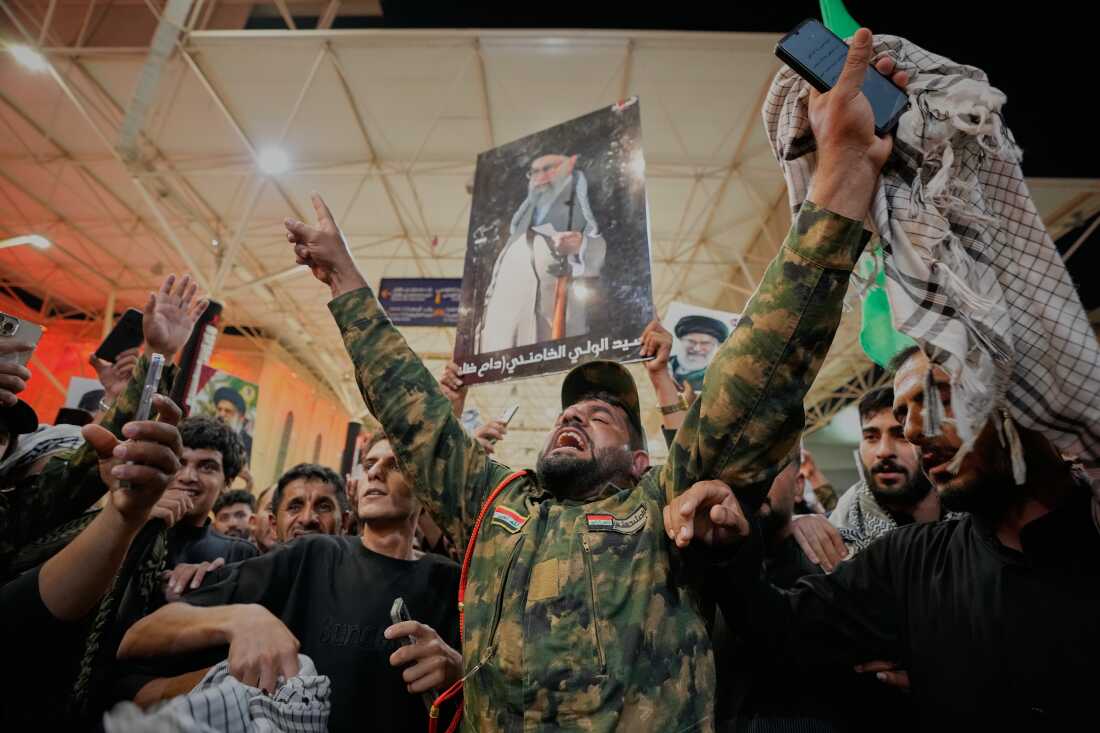
An Iraqi Shiite soldier chanted on the eve of funeral ceremonies for the late Iranian Supreme Leader outside the Imam Ali Shrine in Najaf, Iraq. These events occurred on July 7, 2026. The situation in the Middle East has been tense as the U.S. military attacked Iran early Wednesday, following reports of Tehran striking three ships in the Strait of Hormuz. This move formed part of an effort to revoke Iran’s ability to openly sell crude oil on the international market.
Regional Tensions Rise
Iran responded to the U.S. strikes with attacks targeting Bahrain and Kuwait. These regional tensions threaten an interim agreement aimed at halting fighting and risk widening the conflict. The strikes coincided with the dayslong funeral for Iran’s Supreme Leader, who was killed earlier in the conflict.
The funeral, expected to lower tensions, saw mourners calling for the deaths of U.S. President Donald Trump and Israeli Prime Minister Benjamin Netanyahu. Talks intended to reach a final resolution were planned after the burial, focusing on reopening the Strait and addressing Tehran’s nuclear program, although the recent clashes cast doubt on these discussions.
The era of bullying and extortion is over. It leads nowhere. We don’t fold. — Mohammad Bagher Qalibaf, Iran’s Parliament Speaker
U.S. Strikes Target Iranian Assets
Central Command revealed American forces executed the strikes to penalize Iran for targeting commercial shipping in international waters. Targets included air defense systems and small boats used by Iran’s Revolutionary Guard. These boats have previously harassed ships in the strait. The U.S. military remains prepared to hold Iran accountable if the agreement is violated.
While Iran acknowledged the strikes, it did not report any casualties. Media reports noted explosions in several Iranian locations. Bahrain and Kuwait, both housing U.S. military forces, issued missile alerts on Wednesday morning. The Iranian Guard admitted attacking U.S. installations in these regions.
U.S. Oil Sale License Revocation
Alongside military actions, the U.S. revoked a license that allowed the sale of Iranian oil openly since the interim deal. This move came after the shipping attacks. Previously, Iran had been suspected of selling sanctioned oil to China at discounted rates.
The U.K. Maritime Trade Operations center reported a tanker off the coast of Oman caught fire due to attacks. Iranian state TV said it was attacked after ignoring warnings, but did not claim responsibility. Two other vessels sustained damage but were unharmed and continued through the strait.
Iran’s control over the Strait of Hormuz has impacted global energy markets, given the strategic passage of oil and natural gas. The ships attacked Tuesday were using a route near Oman’s coast. Iran asserts that only its approved routes are safe and is suspected of targeting ships on alternate paths.
Qatari Foreign Ministry spokesperson Majed al-Ansari condemned the attack on the Qatari tanker Al Rekayyat as unacceptable, holding Iran responsible. Under the interim deal, ships were allowed free passage, but Iran insisted on fee imposition after designated routes, a demand opposed by the U.S. and Gulf States.