Saharan Dust Plume Advances Toward Southeastern U.S.
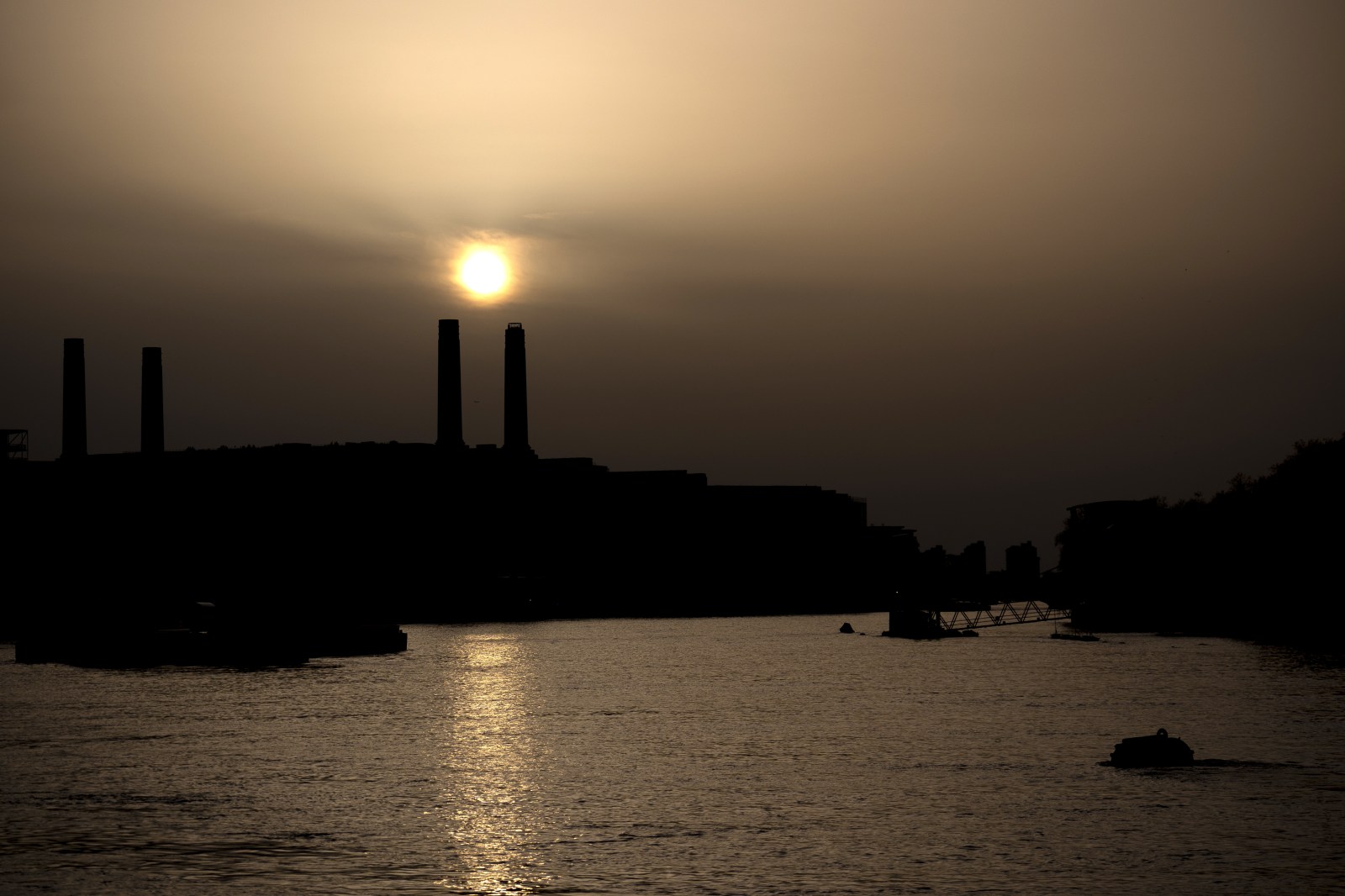
A significant dust plume from Africa’s Sahara Desert is moving across the Atlantic, potentially impacting parts of the southeastern United States. This phenomenon is expected to bring hazy skies, vivid sunsets, and possible air-quality concerns for some residents.
Forecast and Impact Areas
Weather experts following the Saharan Air Layer anticipate the dust will reach Florida and the Gulf Coast soon as it progresses westward from the Caribbean. This event coincides with the peak period of the Atlantic hurricane season, influencing regional weather patterns.
According to the National Oceanic and Atmospheric Administration (NOAA), the hot, dry conditions of the Saharan Air Layer may deter tropical cyclone formation by creating less favorable weather environments across the Atlantic basin.
Tracking shows the dust plume spreading from North Africa across the Atlantic toward the Caribbean and southeastern U.S. Florida and parts of the Gulf Coast will see significant effects, though the dust will likely thin before reaching the U.S.
Caribbean islands often face high dust concentrations, which lessen as the plume drifts west. Despite this, enough dust remains airborne to cause hazy conditions in affected areas.
Understanding the Saharan Air Layer
The National Hurricane Center’s Tropical Analysis and Forecast Branch identifies this as the season when Saharan dust regularly disperses into the tropical Atlantic and Caribbean.
Known as the Saharan Air Layer, this massive, dusty air forms over the Sahara during late spring and summer. Tropical waves carry dust particles high into the air, where easterly winds transport them across the Atlantic. NOAA states that the dust layer can be 2 to 2.5 miles thick and often reaches the Caribbean and southeastern U.S. between June and September.
What to Expect
In a recent update, NASA’s dust modeling showed several dust plumes moving across the region, predicting hazy or milky skies and localized air-quality impacts.
Individuals with asthma, allergies, or other respiratory issues should consider limiting outdoor activities during elevated dust levels. The most noticeable outcome will be milky skies and notably colorful sunsets and sunrises. These occur due to sunlight scattering off the dust particles.
Furthermore, NOAA points out that dense dust layers can inhibit thunderstorm formation. Although hazardous conditions are not expected broadly, those with respiratory problems might experience irritation or worsened allergy symptoms.
Influence on Hurricane Activity
Forecasters monitor Saharan dust for its potential to decrease the chance of tropical development. While the dust reduces the likelihood of immediate hurricane formation, it does not remove the seasonal risk. The associated warmth, dryness, and winds from the Saharan Air Layer provide a short-term dampening effect on tropical system development.