Identifying and Addressing Weight Gain in Cats
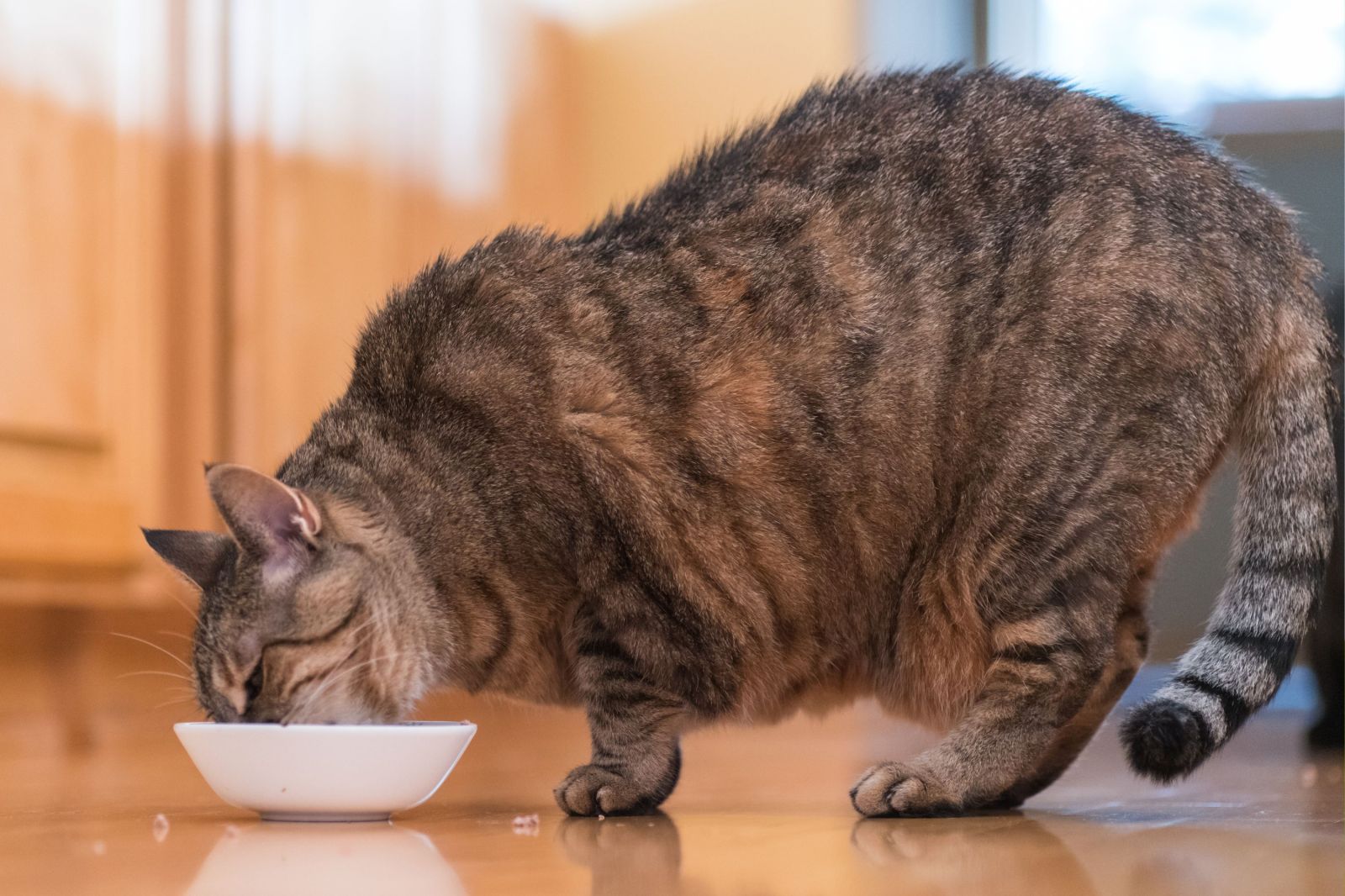
Cats may occasionally gain extra weight, leaving their owners puzzled about how it happened. Often, overfeeding plays a role. Veterinarian Ruth MacPete, author of Lisette the Vet and Her Dog Jett, spoke to Newsweek about signs indicating excessive feeding and common habits leading to feline obesity.
Understanding the Risks
Overweight cats, despite appearing cute, face health risks. Obesity can lead to serious conditions such as arthritis, diabetes, and liver disease. Fortunately, cats exhibit warning signs before weight becomes a major concern—if owners know what to seek.
Common Feeding Mistakes
Leaving Food Out All Day
Many owners leave food accessible all day, allowing cats to eat at will. This method, known as free feeding, seems convenient. However, for some cats, it results in overeating. Treats can compound this issue. Though treats show affection, excessive calories sneak into a cat’s diet.
Treats should make up only 5 to 10 percent of daily calorie intake.
Noticing Gradual Weight Gain
Gradual weight gain often goes unnoticed. Owners should consult veterinarians to assess their cat’s weight. Vets evaluate using a body condition score, spanning 1 to 9. A score of 1 indicates extreme thinness, while 9 signifies obesity. A score of 5 represents an ideal weight.
Vets observe the cat’s physique and feel its ribs, spine, and other areas to gauge weight.
Behavioral Signs of Weight Issues
Mobility Challenges
Excess weight affects more than a cat’s appearance. Overweight cats may struggle to jump onto furniture or their favorite spots. Since cats usually enjoy physical activities, mobility changes warrant discussion with a vet.
Grooming Difficulties
A cat’s grooming routine can signal weight problems. Overweight cats find grooming their back end difficult, potentially leading to a dirty or matted coat. Skin issues can arise from accumulated debris.
Lack of Interest in Play
A cat’s reluctance to play can indicate excessive weight. Reduced activity may not only relate to aging but also to the physical strain of extra weight. Less exercise often results in additional weight gain, creating a cycle.
Helping Cats Lose Weight
Weight gain occurs gradually. Owners must collaborate with veterinarians for a safe weight loss plan, guided by subtle signs.
Reducing calorie intake and promoting activities form the core of obesity treatment. Owners should avoid drastic food reductions without professional consultation. Rapid weight loss risks hepatic lipidosis, a dangerous liver condition.
MacPete advises yearly veterinary checkups for cats and biannual visits for those aged 7 and above. Regular vet visits allow early detection of weight changes and maintain feline health.
Contact Newsweek editors on this story: Rebecca Flood and Gray R. Thomas