El Niño Challenges Await Snowbirds Heading South
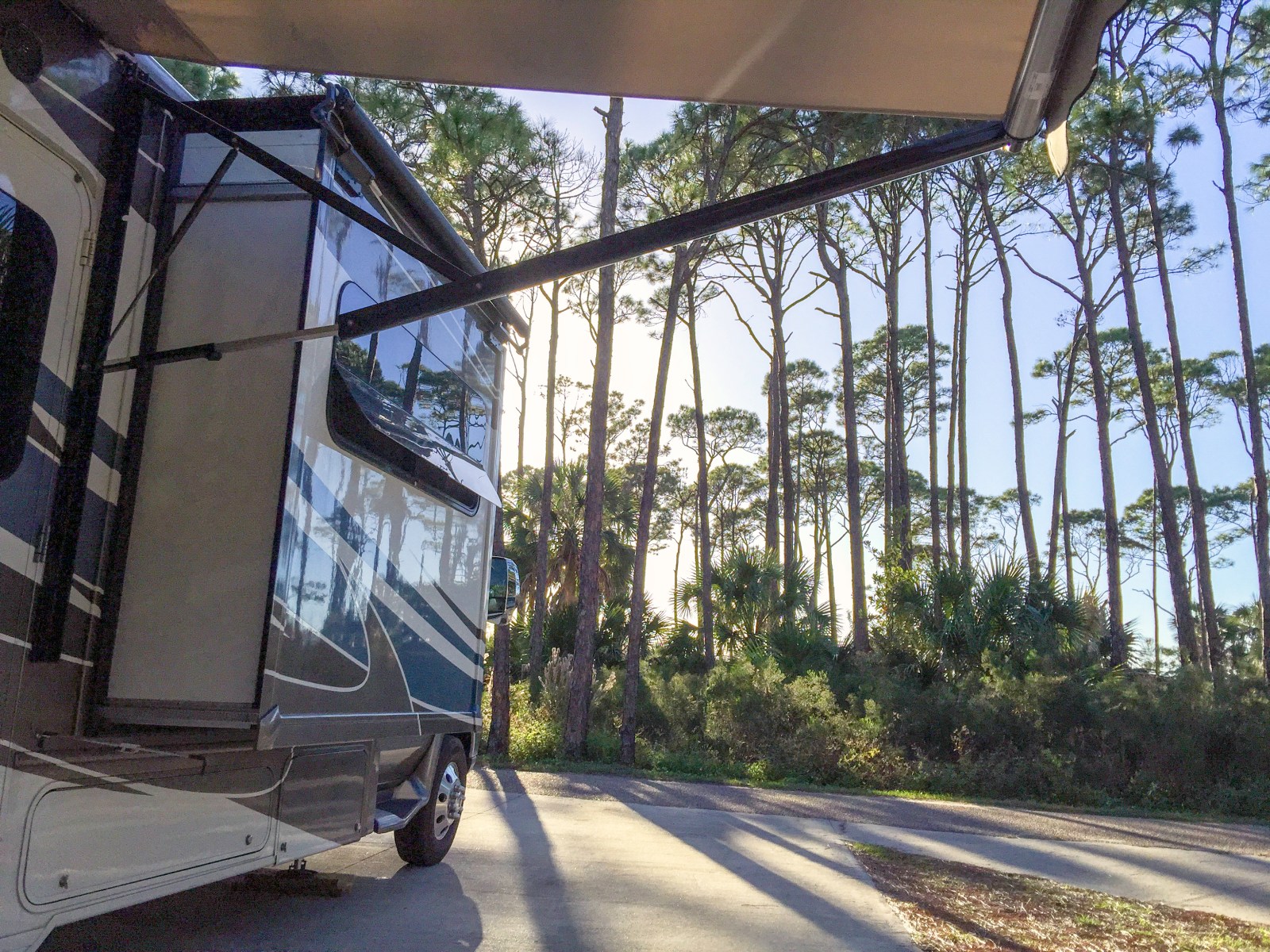
Winter Travel Amid Strengthened El Niño
Americans planning to spend winter in warmer southern states may encounter unexpected challenges. Forecasters indicate that a stronger El Niño climate pattern could transform the southern U.S. into a “storm highway,” increasing the risk of extreme rainfall and severe thunderstorms.
Snowbird Migration Trends
“Snowbirding,” the seasonal migration to the south, starts from October or November and lasts through March or April. Florida is the most popular destination, but Arizona, Texas, South Carolina, and other Southeast and Southwest regions also attract large seasonal populations. Traditionally, retirees lead these migrations, but remote work enables younger individuals to join.
Weather Impacts of El Niño
Travelers may face increased extreme weather threats despite fleeing colder northern states. Meteorologist Ben Noll warns on X about possible storm highways from the West to the South and East Coasts as El Niño intensifies the subtropical jet stream.
El Niño Intensification
Rapid development of El Niño conditions in the tropical Pacific Ocean raises concerns. NOAA announced El Niño’s emergence in June, predicting intensification through autumn, peaking during winter 2026-27. The odds of a very strong event are placed at 63 percent. Meteorologists expect it to rank among the strongest since records began.
Weather Patterns and Risks
Typically strongest in winter, El Niño patterns shift the Pacific jet stream southward, creating active weather across the southern U.S. Storm systems crossing California, the Southwest, Gulf Coast, and the Southeast often result in wetter-than-average conditions while warming northern states.
Threat of Extreme Rainfall
Winter travelers face increased risk of excessive rainfall. El Niño conditions create storm highways stretching from California through the southern Plains to Gulf and Atlantic coasts. Persistent storms can saturate soils, overwhelm drainage systems, and flood roadways. Coastal communities face flooding risks when heavy rain coincides with high tides.
Southern California typically experiences wetter winters during El Niño years. Though precipitation helps replenish reservoirs and drought conditions, powerful atmospheric rivers can cause flooding, landslides, and debris flows, especially in wildfire-affected areas.
Threat of Severe Storms
Severe weather presents another concern. A stronger subtropical jet stream not only increases moisture but also sets the stage for thunderstorms. Gulf moisture with upper-level winds can result in severe thunderstorms producing damaging winds, hail, and tornadoes.
Research indicates El Niño winters increase severe-weather outbreaks across the Gulf Coast and Southeast. Increased wind shear raises risks of damaging winds, hail, and tornadoes. States like Texas, Louisiana, Mississippi, Alabama, Florida, and Georgia face elevated severe-weather risks during cool seasons.
Challenges for Snowbirds
Florida gains hundreds of thousands of seasonal residents each winter. Arizona attracts many from the Midwest and Canada. Naples, Sarasota, Fort Myers, The Villages, and Palm Beach in Florida, along with Phoenix and Tucson in Arizona, are popular destinations.
These destinations are chosen for predictable mild winter weather. However, stronger El Niño could change expectations by increasing storm frequency during peak seasonal population months. Despite severity uncertainty and local impact predictions months in advance, climate signals suggest stormier-than-normal southern U.S. conditions.
For millions heading south this fall, warmer weather might mean wetter and stormier conditions as well.