Preparing for a Quantum-Safe Future
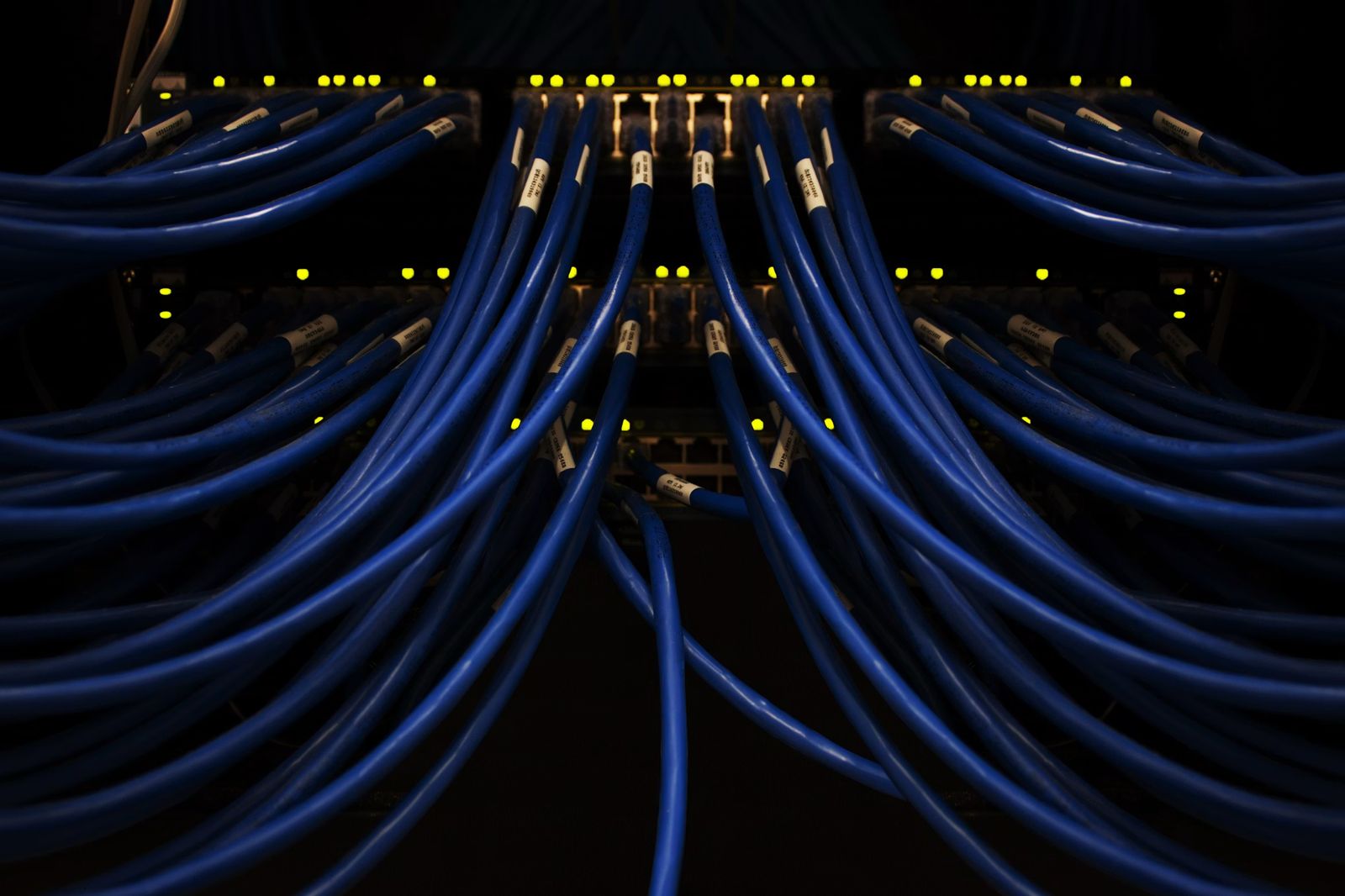
Quantum computing’s rise will necessitate security system upgrades for companies, governments, banks, and digital platforms. This shift to quantum-safe infrastructure, designed to resist ultra-powerful quantum computing attacks, was once a theoretical concern for research labs. Today, it has become a practical issue for every institution.
The scientific community is working hard to develop quantum-safe encryption techniques. Many companies have created plans to upgrade to quantum-resistant infrastructure. However, these plans often require dramatic changes, such as rebuilding infrastructure or transitioning to new systems. This expectation is unrealistic.
Banks cannot overhaul core systems instantly. Governments cannot halt public services to replace communication infrastructure. Payment companies, hospitals, and cloud providers cannot dismantle security foundations without creating new risks. Instead, quantum-safe infrastructure must be compatible with existing technology.
Quantum Computing: A Security Concern
Many view quantum computing as a remote breakthrough. In security circles, though, it already influences planning across finance, government, defense, healthcare, and digital infrastructure.
Today’s digital economy relies on encryption. It safeguards bank transfers, passwords, medical records, government communications, corporate systems, payment networks, digital assets, and online identity tools. A powerful quantum computer could weaken or break some of these cryptographic protections.
Though such a quantum computer is still years away, delayed preparation presents a current danger. Large institutions require time for audits, reviews, budget approvals, legal analysis, procurement, testing, regulatory sign-off, and training. By the time quantum computing becomes an obvious threat, the chance for a smooth transition may be gone.
A lesser-known risk is the need for companies to test quantum-safe infrastructure in real-world settings. A strong system on paper or in a lab may fail when deployed at scale. Security only matters if it is adoptable.
The Challenge of Rebuilding Digital Infrastructure
Transitioning to quantum-safe infrastructure is complex. Security is embedded in the layers of a system and altering one part can affect the entire structure.
Discussions often focus on the cryptographic tools themselves—are they strong, efficient, economical, and do they meet standards? These are crucial questions, but they overlook an important issue: operational compatibility.
Institutions cannot merely replace older cryptographic systems. They must consider legacy systems that perform vital functions and uphold obligations to customers, partners, and regulators. Teams trained on existing workflows also depend on continuity.
A quantum-security plan that overlooks these factors risks slow progress and disruption. The strongest strategy meets institutions as they are, allowing them to add quantum-safe protections and gradually expand adoption without a complete rebuild.
Phased Transition to Quantum-Safe Infrastructure
The transition must occur in stages. Institutions should identify systems exposed to quantum risk, test new protections in controlled environments, and assess how these protections interact with current operations. Old and new systems must run in parallel before full transitions.
This phased approach is vital as quantum-security standards evolve. Companies should build adaptable infrastructure, applying protections to specific systems first and expanding as confidence increases. Financial institutions might focus on sensitive communications, healthcare providers on patient records, and government agencies on systems requiring long-term confidentiality.
The objective is to enhance resilience without disrupting existing workflows.
Investing in Feasible Solutions
The next stage of quantum security must prioritize feasibility. Investment should target systems that offer realistic upgrade paths, and research should focus on compatibility with current infrastructure.
Businesses must update roadmaps. Quantum readiness shouldn’t be a distant project managed only by cryptographers. Instead, it should integrate into broader infrastructure planning, risk management, vendor selection, compliance strategy, and board-level security discussions.
Companies need to question: “Is this plan realistic?” The quantum era demands new defenses. Those best prepared will strengthen their existing infrastructure realistically and gradually.
Waiting for a perfect solution or merely acknowledging the quantum threat with unrealistic roadmaps will lead to a challenging transition.
Jay Prakash is the founder and CEO of Silence Laboratories, a company developing institutional-grade quantum-safe infrastructure.