Challenges in the U.S.-Israeli Conflict with Iran: MoU and Diplomatic Struggles
Recent Developments in U.S.-Iran Tensions
The latest surge of unrest in the U.S.-Israeli war against Iran has pushed President Donald Trump to reconsider a memorandum of understanding (MoU) aimed at forging peace with Iran. Initially, the MoU offered relief for pressure points faced by both Washington and Tehran. The agreement lifted blockades of the Strait of Hormuz and extended a ceasefire initiated on April 7, six weeks into the conflict. However, unresolved core issues have left negotiations in limbo due to mutual mistrust.
Naysan Rafati, an Iran senior analyst at the International Crisis Group, explained, “The MoU deferred some of the most contentious issues between the U.S. and Iran—including the nuclear file—while prioritizing an easing of economic disruption. In practice, it risks dueling interpretations of what’s been agreed and multiple points of failure.”
Comparisons to the JCPOA
The Trump administration’s quest for a deal with Iran has been compared to the 2015 Joint Comprehensive Plan of Action (JCPOA) negotiated by President Barack Obama. This agreement lifted sanctions against Iran in exchange for nuclear program curbs but was nullified by Trump in 2018. As JCPOA’s anniversary approaches, the MoU faces similar challenges. However, important differences remain.
Rafati highlighted, “The JCPOA was a granular but mostly single-issue agreement, focusing on nuclear restrictions for sanctions relief. It required years of intense negotiations, unlike the swiftly arranged MoU during conflict.”
The JCPOA had backing from major powers, while Israel openly opposed both deals. Whereas Arab states, previously skeptical of JCPOA, now seek new agreements due to Iranian attacks.
Challenges Facing the MoU
Skepticism about U.S. commitments is evident among Iranian analysts, even as the MoU was seen as a leverage against existential threats. Without a final deal, Iran risks losing its strategic advantage. The MoU’s vagueness led to disputes over key issues such as frozen Iranian assets and U.S. military presence. Continuing clashes included tanker attacks in the Strait of Hormuz, with Iranian officials denying direct responsibility.
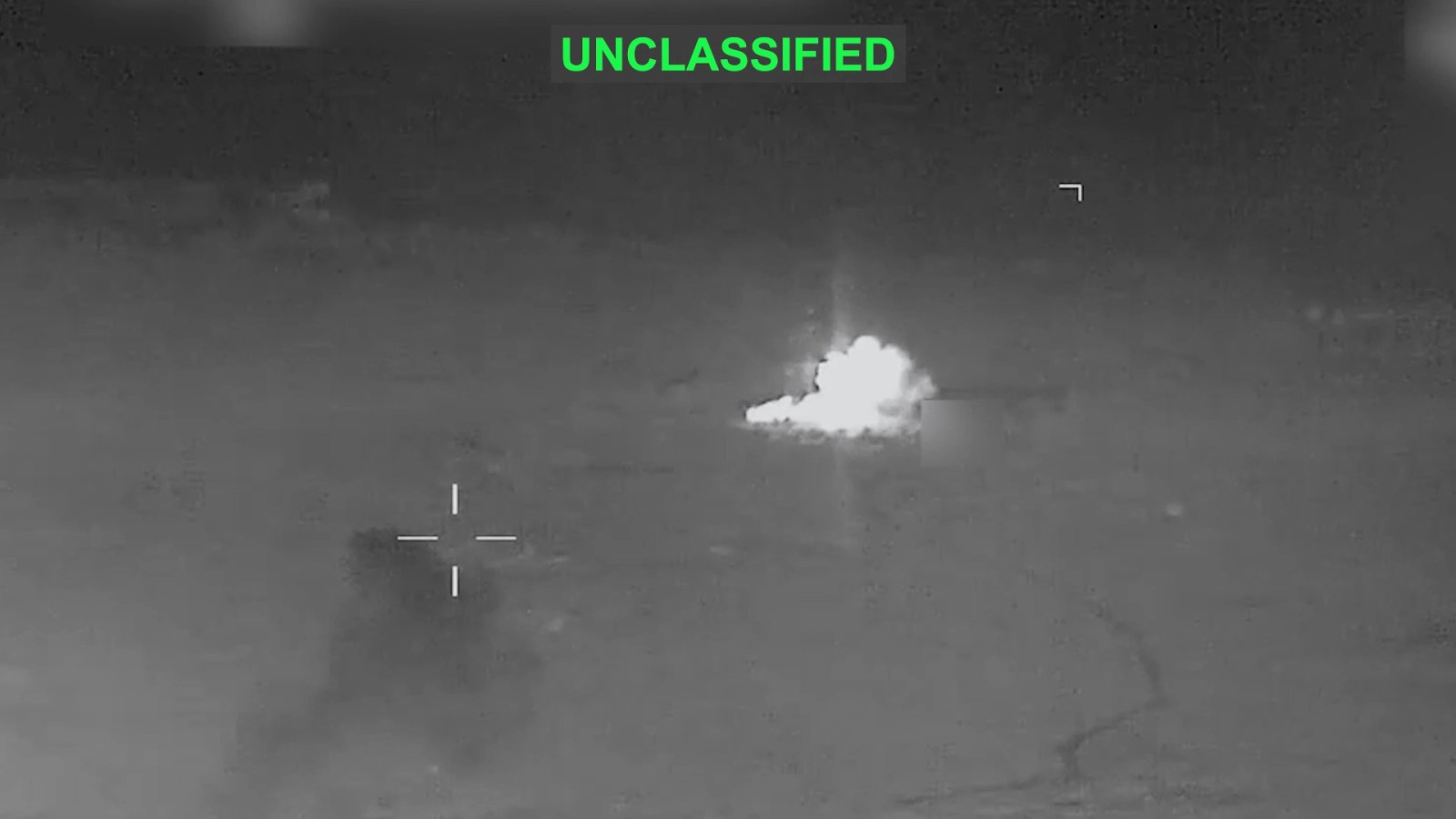
Following U.S. military strikes, Iran’s Revolutionary Guard Corps announced targeting U.S. facilities. Trump, attending a NATO summit, warned of further action, saying the U.S. might “finish the job.” New strikes in Iran’s Bandar Abbas province were reported soon after.
Forecasting Diplomatic Failures
The path to a decisive victory is unclear. Trump admitted he did not expect prolonged conflict, a situation escalating public disapproval ahead of midterm elections. The initial military successes, such as Supreme Leader Ayatollah Ali Khamenei’s death, showcased U.S.-Israeli superiority but also exposed vulnerabilities.
Alan Eyre, a former U.S. State Department official, stated, “The U.S. administration entered into the MoU realizing military success alone was insufficient. It aimed to re-open the Strait of Hormuz, even at the cost of deferring nuclear negotiations.”
Since its signing, the strategic picture remains unchanged, and prospects for lasting peace appear grim. Eyre added, “The MoU was essentially acknowledging the strategic misstep of starting a war with Iran.” Current U.S. goals focus on restoring pre-war maritime traffic levels, while Iran seeks to reinforce strategic deterrence.