Tennessee Man Settles for $850,000 Over Meme Arrest
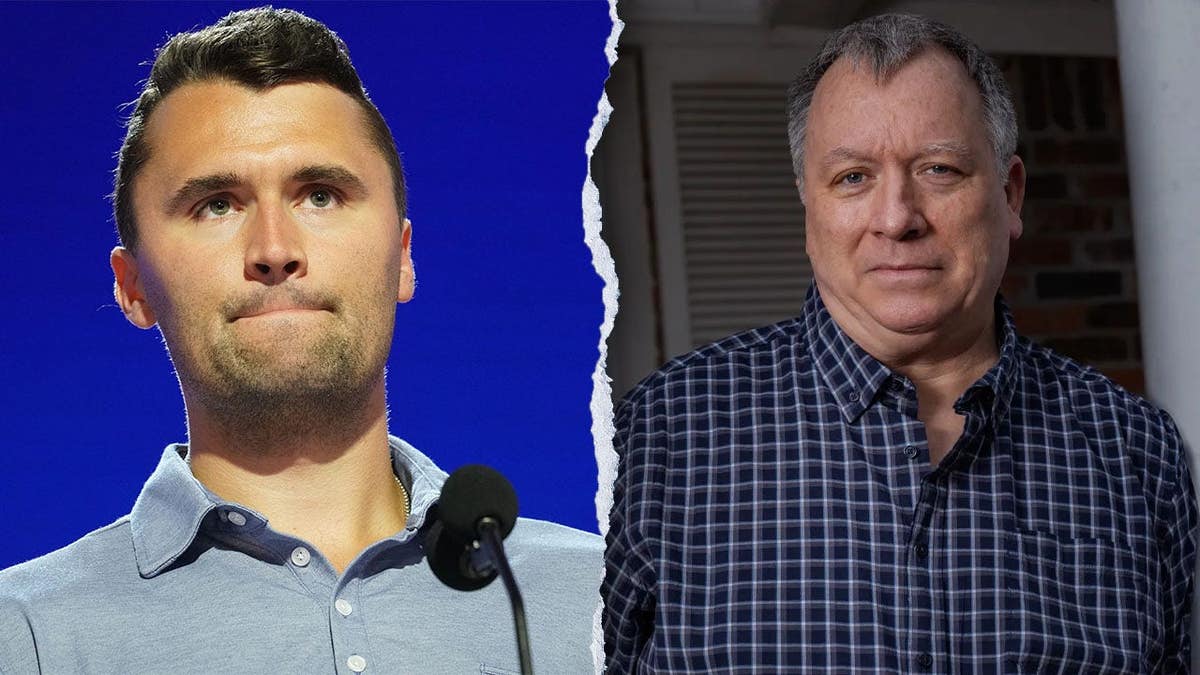
A Tennessee man, Larry Bushart, aged 61 and a retired police officer, received an $850,000 settlement. He was arrested for refusing to take down a Facebook meme poking fun at the assassination of Charlie Kirk.
Bushart served 37 days in jail with a $2 million bond before his felony charge was dropped in October. His time in jail cost him his post-retirement job and he missed significant family events, such as his wedding anniversary and the birth of his granddaughter. These claims were included in a federal lawsuit he filed against Perry County, Sheriff Nick Weems, and the investigator involved in his arrest.
Bushart expressed satisfaction with the outcome, stating, “I am pleased my First Amendment rights have been vindicated.” The Foundation for Individual Rights and Expression (FIRE) supported him in the case, emphasizing the importance of freedom in civil discourse for democracy.
Bushart’s controversial meme included an image of President Donald Trump with the phrase, “We have to get over it,” referencing a school shooting in Iowa. Despite Weems’ admission that the meme didn’t pose a real threat, the arrest was based on the notion that some might see it as a threat to Perry County High School in Tennessee.
FIRE’s senior attorney, Adam Steinbaugh, criticized the authorities, highlighting that no one should face jail over a meme merely due to disagreement with its message. He praised the compensation for Bushart’s ordeal.
The Foundation highlighted a pattern of censorship following Kirk’s assassination, including representing another individual, Monica Weeks, who lost her job for critiquing Kirk online.