U.S. Declares Two More Mexican Cartels as Terrorist Organizations
The U.S. government has expanded its list of foreign terrorist organizations to include two additional Mexican cartels: the Juárez Cartel and Los Viagras. The Federal Register published this designation on Thursday, highlighting the increasing focus on drug-related threats at the U.S.-Mexico border.
The Juárez Cartel operates on the border with Texas, specifically in Ciudad Juárez, a pivotal drug trafficking point opposite El Paso. Historically, this cartel gained notoriety under its founder Amado Carrillo Fuentes, known for smuggling drugs using light aircraft in the 1990s. Despite leadership arrests, the cartel remains influential, maintaining control over significant smuggling infrastructure.
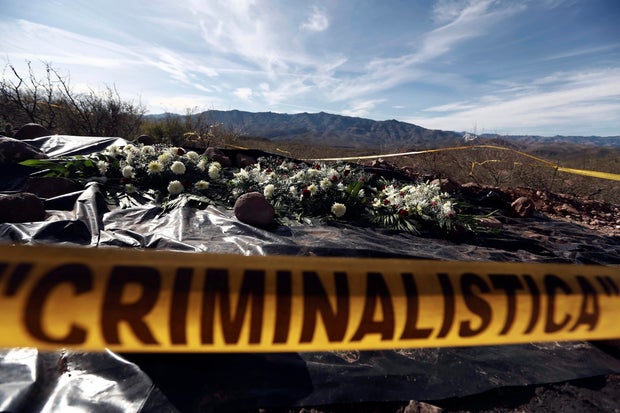
In 2019, the Juárez Cartel was implicated in the murders of nine American women and children from a Mormon community in Sonora, Mexico. This incident led to a federal lawsuit filed by relatives against the cartel.
“The designation is key to enabling the U.S. to take more decisive action along the border,” stated Mexican analyst David Saucedo.
Secretary of State Marco Rubio confirmed that these cartels either have engaged in terrorism or present a potential threat to U.S. national security and economy. The U.S. military’s response has led to over 200 fatalities in operations against suspected drug trafficking since September.
Focus on Los Viagras
Originating from Michoacán, Los Viagras has emerged as a formidable cartel following an armed uprising in 2013–2014. The group is known for regional domination through extortion and synthetic drug production, supplying these to other cartels trafficking into the U.S.
Nicolás Sierra Santana, alias “El Gordo,” currently leads Los Viagras. He faces charges of drug trafficking conspiracy in the District of Columbia, with a $5 million State Department reward for information leading to his arrest.
In 2024, Los Viagras constructed “narco-antennas,” forcing locals to pay for internet access, under threat of violence. This system utilized stolen equipment, demonstrating the cartel’s resourcefulness and control over communities.
The latest designations by the U.S. mark an increased pressure on Mexican authorities as they tackle the complex dynamics of drug cartels within their borders.