Debate Over Congressional Term Limits Continues Amid Health Concerns
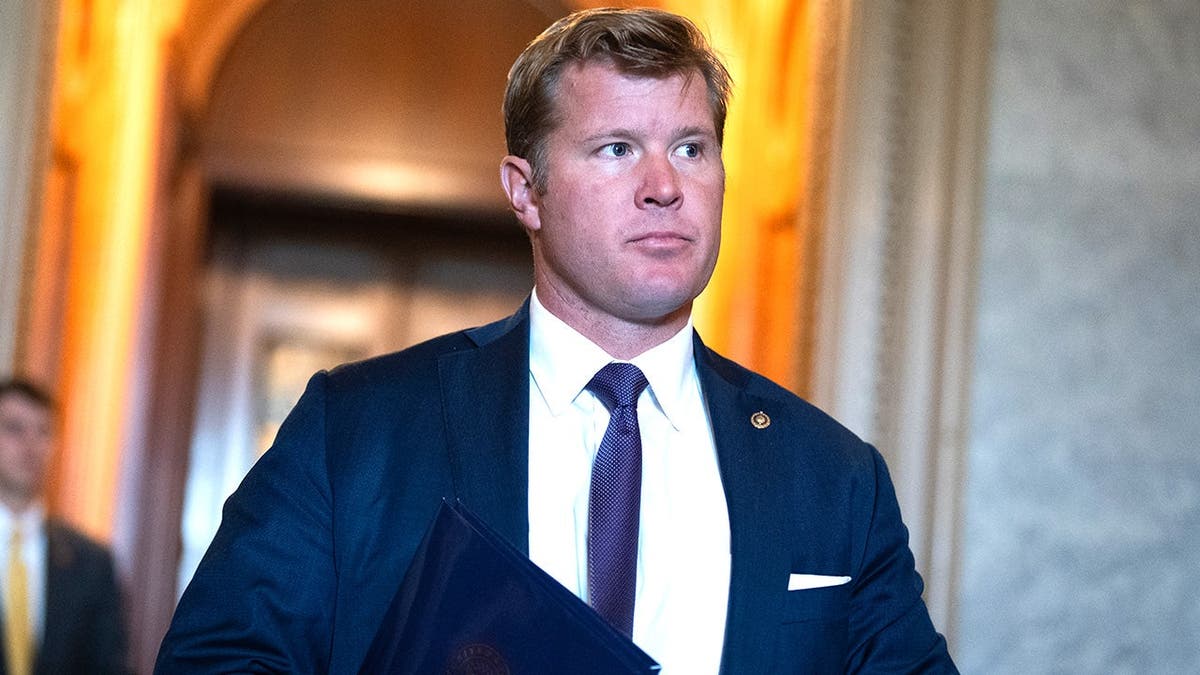
Discussions about implementing term limits for federal representatives continue in Congress. Some lawmakers suggest such limits could reduce voter choice and hinder the preservation of institutional knowledge.
Senator Tim Sheehy, R-Mont., believes voters should have the final say. “The voters will decide who they want. We have term limits; they are the voter. If they choose to elect an 80-year-old or 100-year-old, that’s their decision,” he stated.
Representative Glen Grothman, R-Wisc., agrees, emphasizing voter empowerment. He referenced Senator Chuck Grassley, R-Iowa, noting his age of 92, and suggesting voters should retain their right to elect experienced leaders.
Recent health concerns among senior members, including the death of Sen. Lindsey Graham, R-S.C., at age 71, and extended absences by Sen. Mitch McConnell, R-Ky., and Rep. Tom Kean Jr., R-N.J., have reignited public discourse. Senator Mark Warner, D-Va., expressed personal awareness of limits but questioned a universal rule for all lawmakers.
Some, like Senator Ted Cruz, R-Texas, advocate for strict term limits. “I’d like to see limits on everybody,” he urged. He introduced a constitutional amendment to limit senators to two terms and House members to three, citing strong public support.
Senator Roger Marshall, R-Kan., supports this view, arguing that prolonged tenures may contradict the nation’s foundational principles. “Too much power invested in one person—absolute power corrupts absolutely,” Marshall expressed.
The debate about whether to implement term limits persists as Congress balances voter choice with institutional stability.