Escalation in Gulf Conflicts: Focus on Desalination Plants
Tension in the Gulf region has surged as Iran launched attacks on desalination sites in Kuwait twice over the weekend, according to Kuwaiti authorities. Meanwhile, Iran reported that its own desalination plant, providing drinking water to thousands, had been targeted.
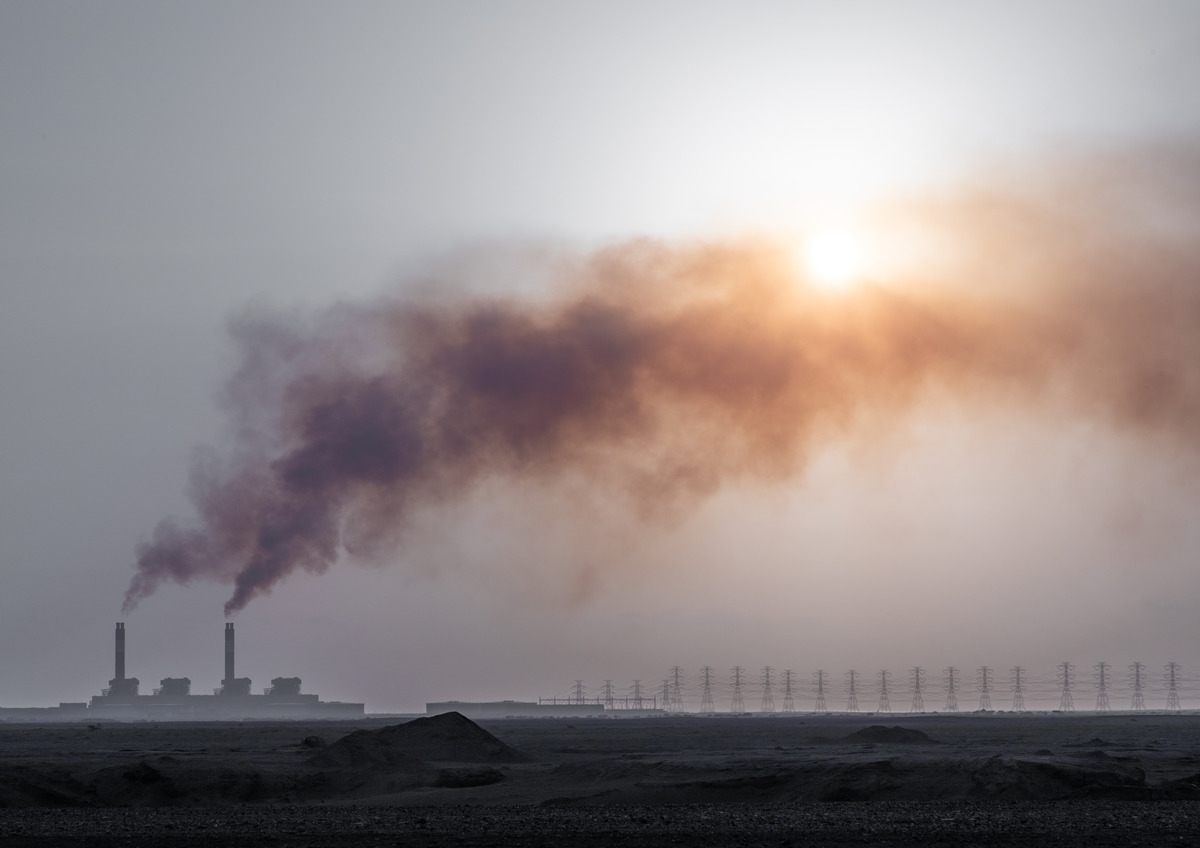
The second attack in Kuwait ignited a fire that affected many electricity generation units. The Ministry of Electricity, Water, and Renewable Energy in Kuwait confirmed the incident. They described it as a hostile attack on a joint desalination and power plant, leading to significant fire damage and power disconnection in several units. Residents have been urged to conserve electricity and water.
Iran’s military stated it had struck a base and port in Bahrain, along with a Kuwaiti military base hosting U.S. forces. Simultaneously, Iranian media reported a strike by the U.S. on their desalination plant on Saturday, affecting water supplies to about 10,000 people.
The attacks represent a significant escalation in the ongoing conflict,
Yossi Mekelberg from the Chatham House think tank remarked. He noted that targeting desalination plants, which are vital for civilian infrastructure, typically prompts a response. Both Iran and the U.S. have exchanged accusations of attacking infrastructure crucial to civilian life, actions generally viewed as war crimes unless militarily justified.
Understanding Desalination Plants’ Role in the Gulf
Desalination plants play a critical role by removing salt and minerals from seawater, providing fresh water for drinking and daily use in Gulf States. They support water needs for agriculture, hotels, and hospitals. The World Health Organization warns that losing access to this water supply could lead to disease outbreaks and displacement.
The reverse osmosis process filters the salt out, and tens of millions depend on it. Estimates suggest 5,000 such plants exist in the Middle East. In Kuwait, 90% of drinking water is sourced from these plants, while Bahrain, similarly reliant, reported minor damage from an Iranian strike earlier this year. Qatar sources 99% of its drinking water from desalination.
Despite dependence, Qatar has built large reserves to ensure supply continuity. Other countries like Saudi Arabia use desalination but supplement it with other water sources. Experts point out that desalination is costly and energy-intensive, posing a significant vulnerability in conflict or disaster scenarios. These plants are often linked with power stations, so any damage can lead to wider infrastructure disruptions.
According to the Atlantic Council’s report, the destruction of Gulf’s desalination infrastructure could have catastrophic consequences.
Incidents in Iran
In March, Iran’s diplomat Abbas Araghchi accused the U.S. of attacking a plant, disrupting water flow to 30 villages. The U.S. denied intentionally targeting these facilities in the strategically significant Strait of Hormuz. Araghchi described the alleged attack as dangerous, with severe consequences.
An Iranian lawmaker also claimed a U.S. attack on a desalination plant in Hormozgan, damaging equipment used for seawater intake. However, Iran’s Energy Ministry stated that desalination plants in the south remain operational, with no water shortages reported on Iran’s islands.