Controversy Surrounds Trump’s Anti-Weaponization Fund
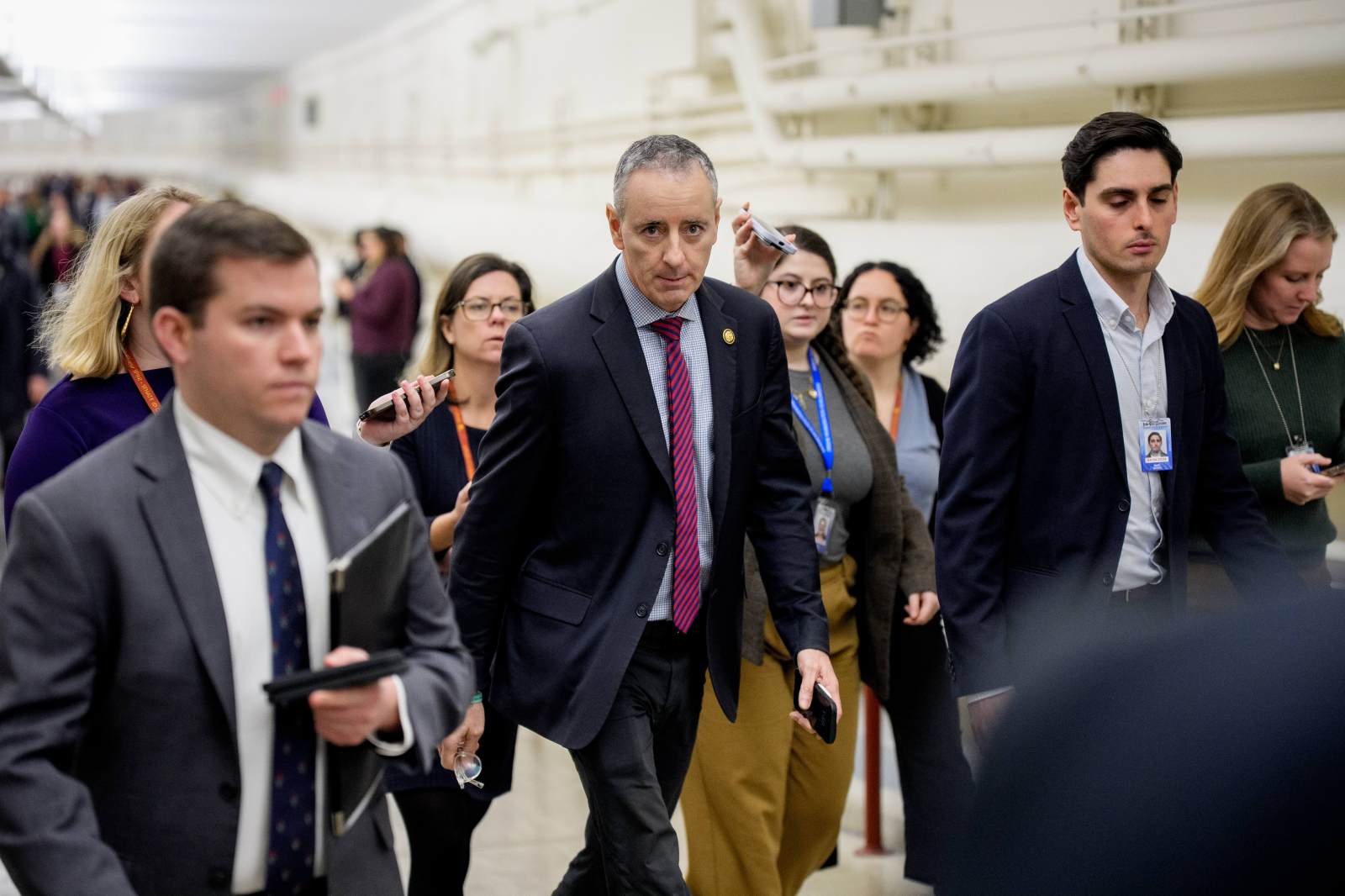
Fitzpatrick’s Opposition
Representative Brian Fitzpatrick, from a Pennsylvania swing district, voiced strong objections to the $1.776 billion anti-weaponization fund announced by President Donald Trump’s Department of Justice (DOJ). The fund, created as part of a resolution to end the Trump administration’s lawsuit against the IRS, has stirred bipartisan criticism in Congress.
In a video posted by journalist Scott McFarlane, Fitzpatrick stated his intent to prevent the fund’s implementation. “Bad news. We’re going to try to kill it,” Fitzpatrick said. He mentioned exploring legislative measures, starting with a letter to the Attorney General, to challenge the legal grounds for the fund’s creation.
Fitzpatrick, along with Representative Jamie Raskin, plans to introduce legislation to block federal funding for the fund. Fitzpatrick questioned the transparency, oversight, and legal authority behind the fund in his letter to Acting Attorney General Todd Blanche.
Details of the Anti-Weaponization Fund
The DOJ framed the fund as a method to address claims of ‘weaponization and lawfare’ against individuals. This fund offers apologies and monetary relief to claimants, funded by $1.776 billion from the judgment related to an IRS case. Critics argue the prosecutions cited by Trump and his allies were rightful and do not support claims of weaponization.
Blanche defended this fund in a Senate hearing, describing it as “unusual” but not without precedent. He emphasized its inclusivity, stating that the fund is not limited to Republicans or cases related to the Biden administration.
Bipartisan Criticism and Concerns
The fund has seen quick backlash from both parties. Senate Majority Leader John Thune and Senator Bill Cassidy expressed opposition. Cassidy criticized the fund’s timing, suggesting it distracts from pressing financial concerns facing Americans.
Cassidy’s opposition follows his primary election loss to Trump-backed candidate Julia Letlow. Critics, including Democrats and watchdog groups, labeled the fund as corrupt and warned against potential misuse of taxpayer money for Trump allies.
Senator Patty Murray highlighted concerns over potential misuse of the fund to support individuals involved in the January 6 events: “First, Trump pardoned violent January 6th insurrectionists, and now he can use YOUR taxpayer dollars to pay them from a $1.8 billion slush fund,” she wrote.
Legal Challenges and Responses
The fund faces legal challenges, including a lawsuit from U.S. Capitol Police officer Harry Dunn and Metropolitan Police Department officer Daniel Hodges. Their complaint argues the fund’s existence sends a message of impunity for January 6 violence.
Additionally, 93 House Democrats supported an amicus brief against the fund. Raskin, a ranking committee member, condemned the fund as a “fraud” aimed at channeling taxpayer money to Trump’s allies. He described it as a scheme benefiting insurrectionists involved in January 6.