Range USA: Challenges Faced by a New Kind of Gun Retailer
In 2012, Range USA set out to revolutionize the gun retail industry with a focus on a mainstream experience. Founder Tom Willingham designed stores similar to big box chains. The aim was to create welcoming environments, appealing particularly to women and those new to firearms.
Now, Range USA operates 50 stores across 14 states, but it grapples with the issues familiar to traditional retailers. Federal regulators have cited failures in basic protocols intended to prevent illegal sales. Consequently, guns from Range USA continue to surface in police investigations.
A notable incident involved the murder of Chicago police officer John Bartholomew. Investigators revealed that the gun used was first purchased illegally at the Merrillville, Indiana, Range USA store. This store faced multiple compliance failures flagged by the Bureau of Alcohol, Tobacco, Firearms and Explosives (ATF). However, its license wasn’t revoked after the background check was verified.
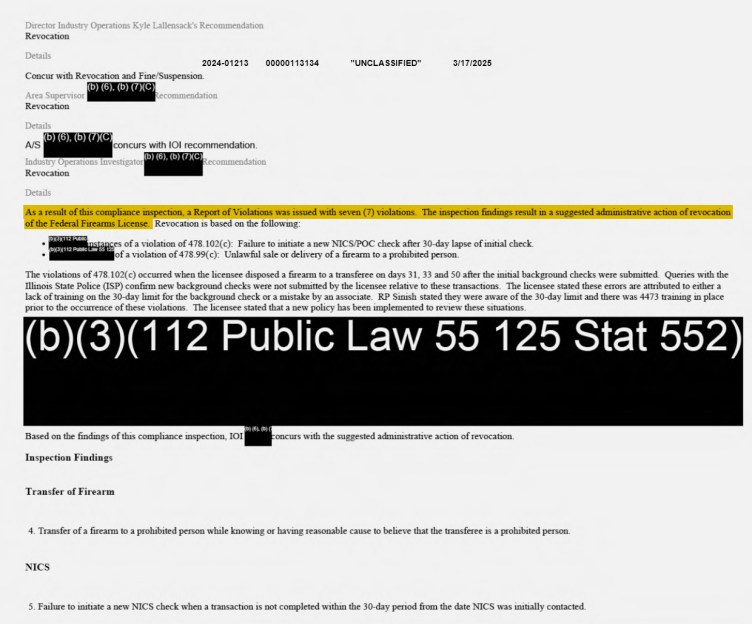
Range USA has faced ATF’s recommendations to revoke licenses at various locations, including two in Ohio. In Dayton, an employee sold a firearm to a person who failed a background check. Managers admitted to the mistake and promised new policies for improvement.
ATF’s inspections found record falsifications, such as accepting expired permits instead of proper checks. Range USA disputed intentional deceit but paid fines. The Merrillville store remains open along with others facing similar issues.
The ATF recently relaxed penalties under the Biden administration for not ensuring compliance with regulations. Despite compliance deficiencies, Range USA’s sales grew by 5% in 2025. With plans for more stores, the chain thrives.
Willingham supports gun retailer-friendly candidates through political donations. His contributions and those from Range USA total $40,000. The industry faces accusations linked to straw sales, wherein buyers falsely purchase guns for those barred by law.
Examples like the Chicago officer murders illuminate straw sales’ impact. Burgos allegedly bought the gun used in officer Bartholomew’s murder, falsely claiming it for herself. Her boyfriend, a felon, was the intended recipient.
In another case, Maxwell Williams had a girlfriend illegally purchase a gun. Range USA dismissed a lawsuit claiming negligence during these sales.
Detecting straw sales remains elusive. Retailers are trained to spot warning signs but often fail to prevent transactions. The ATF collects data through programs targeting suspect purchases, but recent policy shifts under Trump weakened Biden-era efforts.
Trump administration officials favor industry-friendly approaches. ATF plans to modernize sales processes and reduce penalties for clerical errors, supposedly maintaining public safety.
NSSF and members stress firearms require responsible handling. Critics concern ATF policies could signal leniency toward illegal sales. Johns Hopkins professor Daniel Webster views current strategies as prioritizing industry over public welfare.