Ways to Foster Stronger Neighborhood Connections
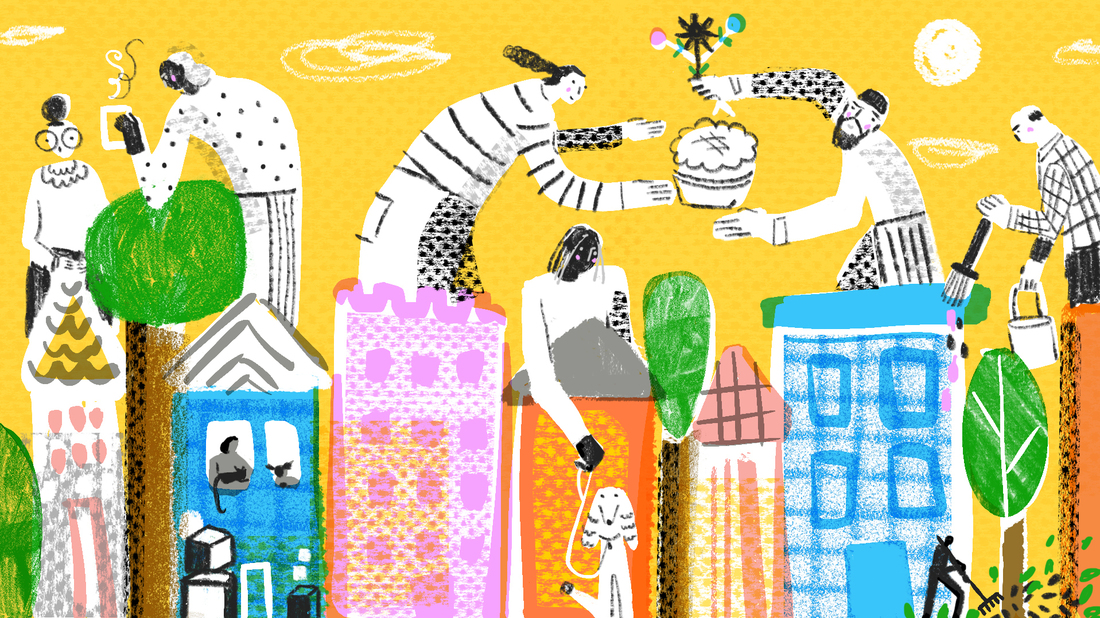
Do you really know your neighbors? Do you know their first names or the types of cars they drive? If you got locked out of your house, would you feel comfortable asking them for help? A 2018 study by Pew Research found that about 25% of adults under 30 do not know any of their neighbors. Yet, knowing those who live near you can foster a sense of security and community.
Younger individuals can benefit from understanding how to be considerate neighbors, and Chris Loggins is familiar with this. As the supervising producer of Daniel Tiger’s Neighborhood, an animated children’s show inspired by Mister Rogers’ Neighborhood, Loggins highlights the importance of simple social and emotional skills through catchy strategy songs.
Get to Know Your Neighbors
Begin by familiarizing yourself with your neighbors. You might try learning their names and professions. Taking the initiative to introduce yourself can make a difference. When Loggins moved to a new area, his neighbors warmly welcomed his family, showing that simple gestures mean a lot. You don’t need grand gestures to demonstrate friendship.
Practice Small Acts of Kindness
Small daily gestures can enhance neighborhood ties. These might include picking up litter or offering flowers from your garden. Consider these gestures ways to demonstrate care and community involvement.
Appreciate Connection
It’s often easier to retreat into solitude at home, but engaging with others can have long-term benefits. Social connectedness can enhance emotional and physical well-being. Acts of goodwill can inspire others to do the same, creating a cycle of kindness.
Marta Zaraska, in her book on friendship and kindness, recounts a 2013 incident in Winnipeg where one driver at a Tim Hortons paid for the car behind him, leading to a chain of 200 drivers doing the same.
Promote Diverse Engagement
While encouraging interactions, balance safety messaging with openness. Zach Norris, executive director at the Ella Baker Center for Human Rights, discusses how overly emphasizing ‘stranger danger’ may not build trust. Most harm comes from people we know. Engaging with various community members can help children understand safety more comprehensively.
Reflect on Implicit Bias
Protecting neighbors is crucial, but check your biases before reacting. Feelings of unease can stem from stereotypes. Before contacting authorities, consider if anyone is in immediate danger. Examining these emotions promotes understanding and safer communities.
Your attitudes toward all community members set a precedent for children. Showing respect across all groups builds a stronger community bond.
The podcast version of this content was created by Janet W. Lee, with engineering by Patrick Murray. If you have tips, reach us at [email protected] or call 202-216-9823 for a chance to be featured in future episodes.