Federal Court Upholds Termination of Oregon School Counselor Over Book Display
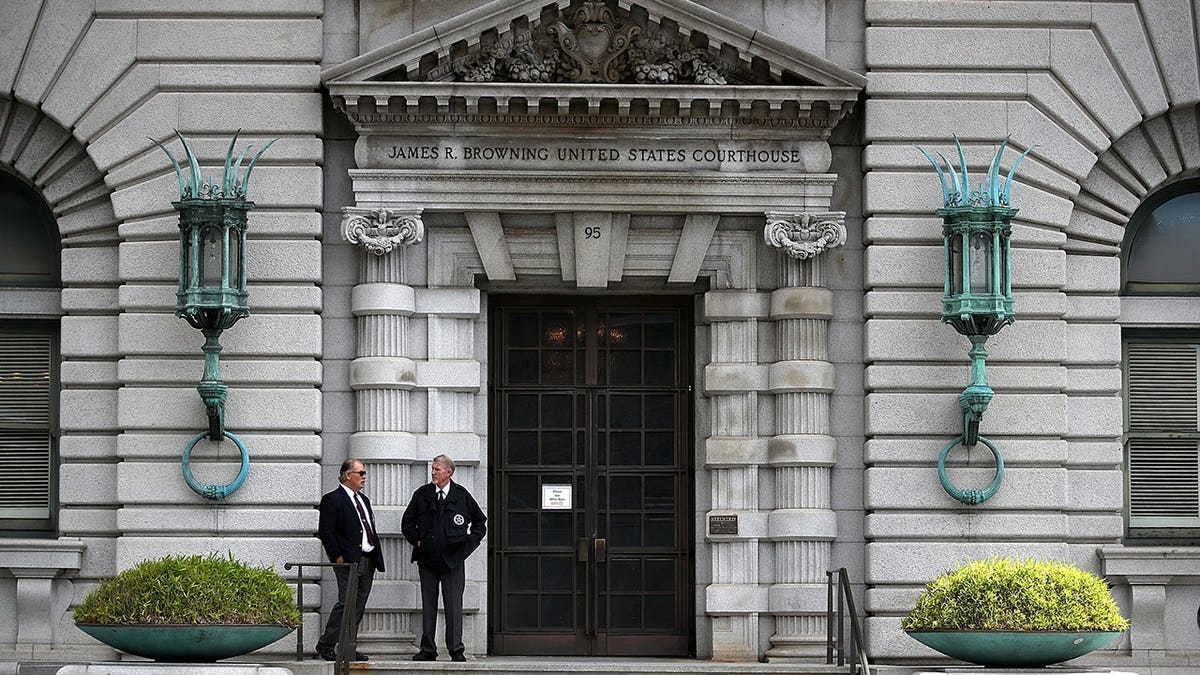
A federal appeals court recently upheld the termination of a school counselor in Oregon for displaying books that promote binary gender views in school offices. The ruling was delivered by the 9th U.S. Circuit Court of Appeals.
The court decided that the actions of Roderick E. Theis II, a former education specialist with the InterMountain Education Service District (IMESD), were not protected under the First Amendment. Theis was dismissed following investigations into his display of gender-related books to middle school students.
According to court documents, Theis displayed several books in two different campuses where he met with students. Titles included “He is He,” “She is She,” and “Johnny the Walrus,” the latter authored by conservative commentator Matt Walsh and addressing transgender issues allegorically.
After investigation, Theis explained that his intention was not harmful and considered removing the books when transgender-identifying students visited his office. However, the IMESD labeled the display a “bias incident” and issued instructions for their removal.
The IMESD concluded the display was inappropriate, leading to Theis’s termination.
A partial protective order was later granted by a federal judge, permitting Theis to display the books in his office when students were not present. Despite this, the district terminated his employment following findings that he offered the books to students who requested them.
Legal arguments tried to protect Theis outside his official sessions with students, yet the court ruled that he violated the partial injunction by displaying the books during student visits.
The 9th U.S. Circuit Court of Appeals reaffirmed this decision, citing educational precedents that classify educators’ speech as government speech when dealing with students.
Circuit Judge John B. Owens noted, “As a government employee, Theis was assigned to work in school offices, meet with students, and carry out his duties in that setting. His speech occurred in the course of those responsibilities and cannot be meaningfully separated from them.”
Judge Lawrence VanDyke dissented, questioning policies that may allow partisan decorations but prohibit other political speech. VanDyke challenged whether public schools could establish policies that permit office decorations with messages deemed compassionate while banning others that don’t align with specific political platforms.