Robert Blake’s Controversial Life and Legal Battles
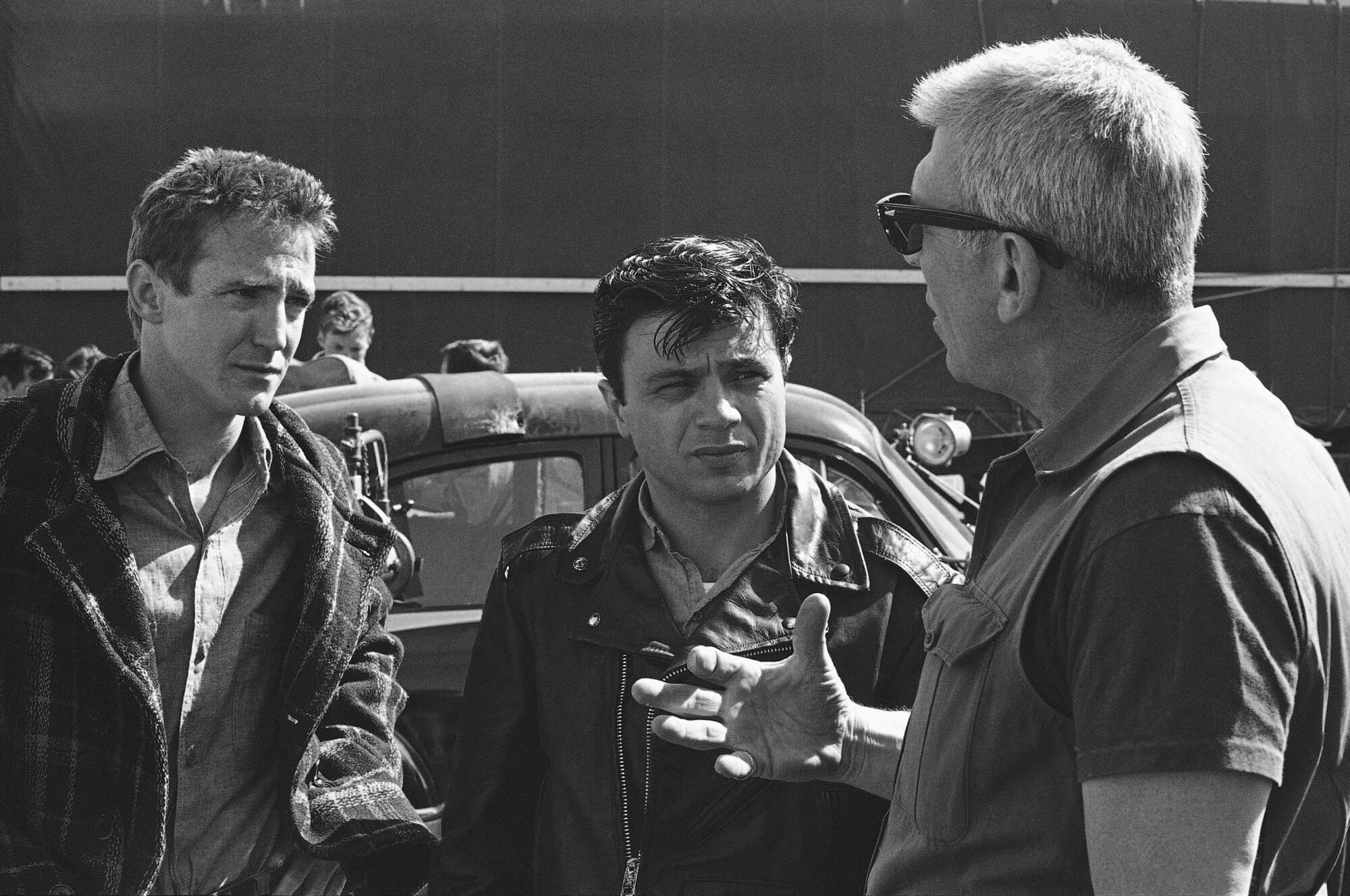
On the night of her murder, Robert Blake took his newlywed wife to dinner at Vitello’s Italian Restaurant in Studio City. The restaurant was adorned with faded celebrity photos that made diners ask, “Isn’t that the guy who—?” By May 2001, at 67 years old, Blake’s face was becoming hard to place, despite his television fame in the 1970s.
Blake frequently appeared on “Hollywood Squares” and “The Tonight Show.” His most memorable role was as detective Tony Baretta in the TV series “Baretta,” making him a household name. He wore muscle shirts and a newsboy cap, paired with snappy street talk and a pet cockatoo. His performance won him an Emmy in 1975, although he later claimed to hate the role for wasting his film talent. Blake’s portrayal of Perry Smith in the 1967 adaptation of “In Cold Blood” remained his most acclaimed.
The 1967 film presented Blake as Perry Smith, a rootless misfit involved in a real-life Kansas family murder. He described his connection with the character as deeply intertwined. Yet, Blake struggled to find a similar role due to his self-destructive nature. He revealed a tough public persona, recounting a love-starved childhood and impulsive actions he couldn’t understand.
Born as Mickey Gubitosi in New Jersey, Blake’s early life unfolded on movie sets. He appeared in “Our Gang” shorts from age five and acted in various films, yet he spoke and behaved as if he had endured tough East Coast streets. This life experience influenced his performances and public speech.
“I invented that terrible, tough, mean Baretta character to keep people away from me,” Blake admitted.
In 1993, Blake starred in “Judgment Day: The John List Story,” portraying a murderous accountant. He later stated, “There were times when I could have done such terrible things that I could make John List look like Donald Duck.”
Blake met Bonny Lee Bakley at a jazz club in 1998. Divorced with grown children, he described himself as a loner. Bakley, 23 years his junior, was a small-time hustler with a criminal record for mail fraud. She targeted celebrities, and in Blake, found a lonely D-lister.
They engaged in an intimate encounter the night they met. Bakley confirmed Blake’s financial status, valuing him at $8 million. With few women willing to engage casually and leave, Blake saw Bakley as a solution to his loneliness. The couple had a daughter, Rosie, proven Blake’s by a DNA test, leading to their marriage.
On the night of Bakley’s murder, Blake parked his car in a shadowy spot near a restaurant. During dinner at Vitello’s, Blake claimed he left his gun inside and returned to find Bakley shot. A neighbor, Sean Stanek, described Blake’s frantic behavior, pounding on his door for help. Witnesses noted Blake’s odd behavior as others tried to help Bakley.
The detectives found the murder weapon, a Walther P38, not Blake’s gun. Gunpowder residue on Blake was explained as target practice. The case turned when stuntman Gary McLarty came forward. McLarty claimed Blake had approached him for murder, detailing plans to kill Bakley. Though McLarty refused, his account matched many suspect behaviors of Blake.
With McLarty’s testimony, detectives believed Blake sought five people for murder assistance but executed it himself. Blake’s lawyers countered by discrediting Bakley as a “star stalker.” The LAPD charged Blake with murder 11 months later, claiming he sought custody of his daughter due to Bakley’s lifestyle.
The trial spanned 12 weeks, with 74 prosecution witnesses but no direct evidence linking Blake physically to the murder weapon. Defense attorneys focused on discrediting the stuntmen’s reliability, highlighting past drug use and delusions. Despite some gunshot residue on Blake, experts contested the amount was insufficient to identify him as the shooter.
Blake was acquitted in March 2005. He expressed eccentric relief outside the courthouse, claiming financial ruin and discussing plans to live freely. Months later, Blake’s civil trial brought different challenges. His inconsistent testimony and animosity affected the outcome. The jury awarded Bakley’s children a $30 million judgment against Blake.
Robert Blake passed away from heart disease in 2023 at age 89. His story remained complex, highlighted by his legal battles and turbulent personal life. Attorney Eric Dubin believed Blake acted to protect his daughter and expressed his skepticism toward Blake’s public denials.
“If you honestly would have the opportunity to talk to Robert Blake and ask him the question, and he had full immunity of all ramifications this world and the next, he would look you in the eye and say, ‘Yeah, I did it,’” Dubin said.