Congressman Bacon Criticizes Trump’s Approach to Ukraine Conflict
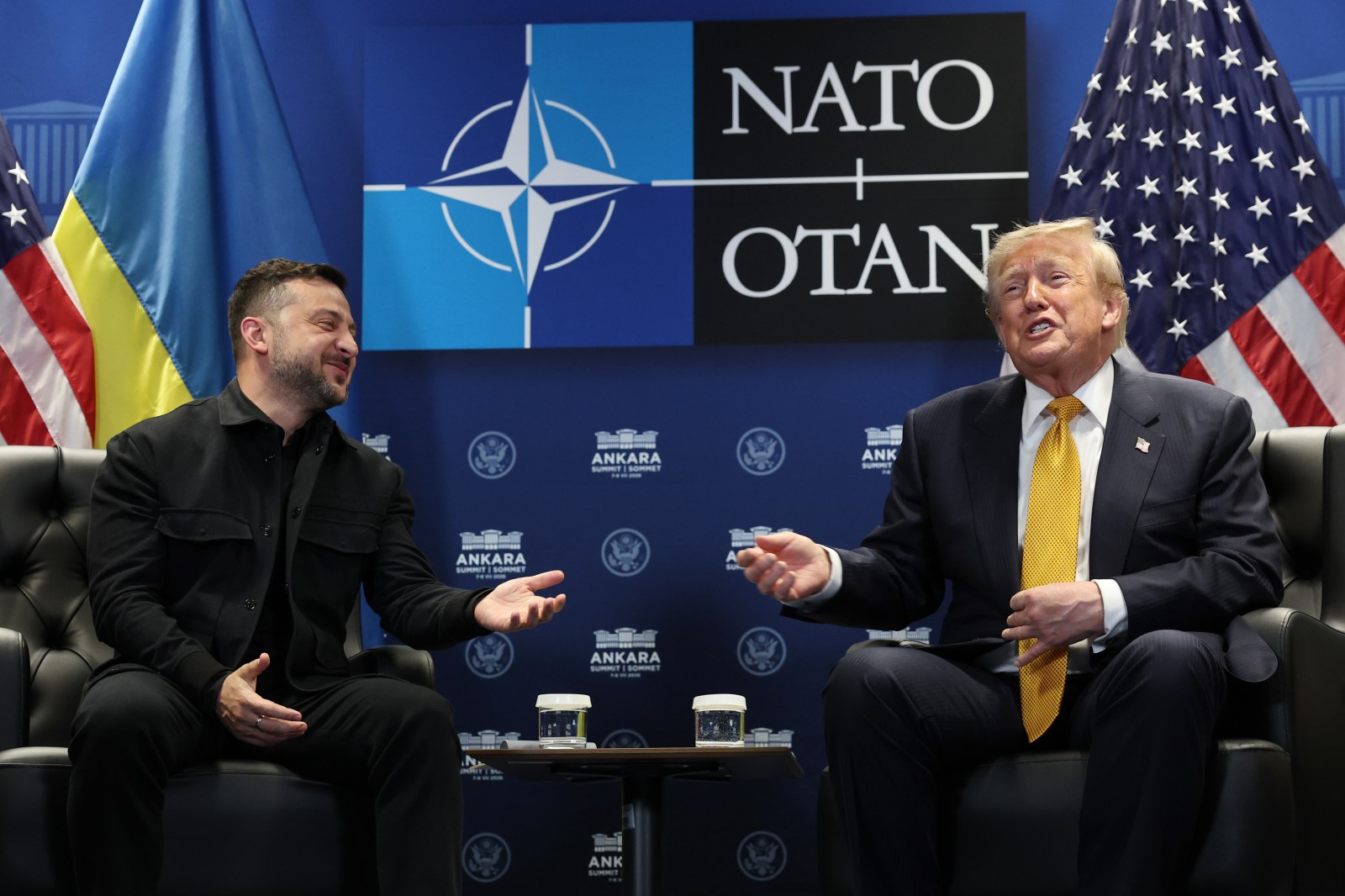
Representative Don Bacon, known for being a vocal Republican supporter of Ukraine in Congress, publicly criticized President Donald Trump. Trump, in response to a query about his meeting with Ukrainian President Volodymyr Zelensky, said he wishes for the Ukrainian leader to simply “end the war.” Bacon, a Republican from Nebraska and a retired Air Force brigadier general, accused the White House of creating “moral ambiguity” regarding the conflict, emphasizing that Russia is solely responsible for initiating the war.
“Moral ambiguity continues to grip the WH,” Bacon wrote on X Thursday. “It’s Putin who started this war and is doing the invading. Blame Putin. This is embarrassing.”
This criticism followed Trump’s comments on his meeting with Zelensky in Washington, where he stated, “It was good,” and expressed his desire for the war to end. He mentioned getting along with both President Putin and President Zelensky and noted that he asked for the war to be ended, citing a reported death toll of 25,000 people last month as unacceptable.
A White House official, addressing questions from Newsweek, explained that Trump aims to resolve the conflict due to the war’s human toll. The official stated, “The President has a humanitarian heart and wants this war settled so the senseless killing ends.” They also affirmed the administration’s active engagement with both Moscow and Kyiv to reach a resolution.
However, Bacon expressed concerns that Trump’s words might obscure the responsibility for the conflict, which began when Russia launched its full-scale invasion of Ukraine in February 2022.
Bacon’s Criticism and Concerns
Bacon has long been a consistent critic of Trump’s stance on Russia and Ukraine. Despite not seeking reelection, he continues to voice his stance on these issues. In March, he criticized what he perceived as Trump’s appeasement of Russian President Vladimir Putin. He argued that peace settlements should not reward military aggression. He has also defended NATO and U.S. alliances and warned against actions that could damage trust between America and its European partners.
Bacon’s concerns also extend to changes within the national security framework during Trump’s second term, including the departures of senior military leaders. As a former military officer, he emphasizes the importance of strong alliances, seasoned military leadership, and decisive opposition to Russian aggression.
Current Situation in Ukraine
Bacon’s remarks come at a critical juncture. The war, now in its fifth year, sees Russia and Ukraine engaging in significant drone and missile exchanges while diplomatic efforts have stalled. Recently, Zelensky visited Washington for discussions involving military cooperation, sanctions, and potential negotiation pathways. Ukraine has been conducting long-range strikes against Russia, marked by a notable attack in the Caspian Sea on vessels tied to Russian and Iranian military logistics.
Russia continues its objectives of retaining territories it claims to have annexed. The conflict has expanded, involving Middle Eastern tensions as Ukraine accuses Iran of assisting Russia and Tehran charges Kyiv with broadening the conflict.
Improving Trump-Zelensky Relations
Trump’s relationship with Zelensky has witnessed notable changes. After past clashes over U.S. support, recent meetings have shown improved rapport. Post-White House talks, both leaders described discussions as productive, and Zelensky acknowledged positive changes in their interactions during an interview.
Trump’s rhetoric toward Zelensky has become more moderate compared to earlier criticisms.
Impact of Laura Loomer’s Changing View
Laura Loomer, a strong Trump supporter, recently visited Ukraine and revised her stance following firsthand experiences of the war’s impact. After visiting affected areas and hearing air raid alerts, she recognized underestimating Ukraine’s suffering and acknowledged prior views influenced by Russian propaganda. She commended Ukrainian resilience, a shift viewed as support for Ukraine growing among some Trump-aligned figures.
Although divisions over military aid and sanctions persist, Loomer’s comments reflect a broader trend among conservatives becoming more critical of Putin and more empathetic towards Kyiv. Bacon underscores the importance of clarity in discussing the conflict, emphasizing Russia’s responsibility for the war. Trump’s call for peace may have good intentions, but Bacon finds that the wording complicates the issue.