Messaging in the Midterms: Democrats Focus on Affordability, Republicans Lack Cohesion
With 100 days until the midterm elections, a clear distinction has emerged between the strategies of the two major political parties. Democrats have articulated their focus on affordability, while Republicans have yet to unify their message.
Although Republicans present a variety of issues such as immigration, crime, government spending, taxes, energy, education, and China, these topics lack a unified narrative. They represent a menu, rather than a cohesive message. Democrats, on the other hand, have encapsulated their campaign around the concept of affordability, simplifying the complexity of the election into a singular narrative.
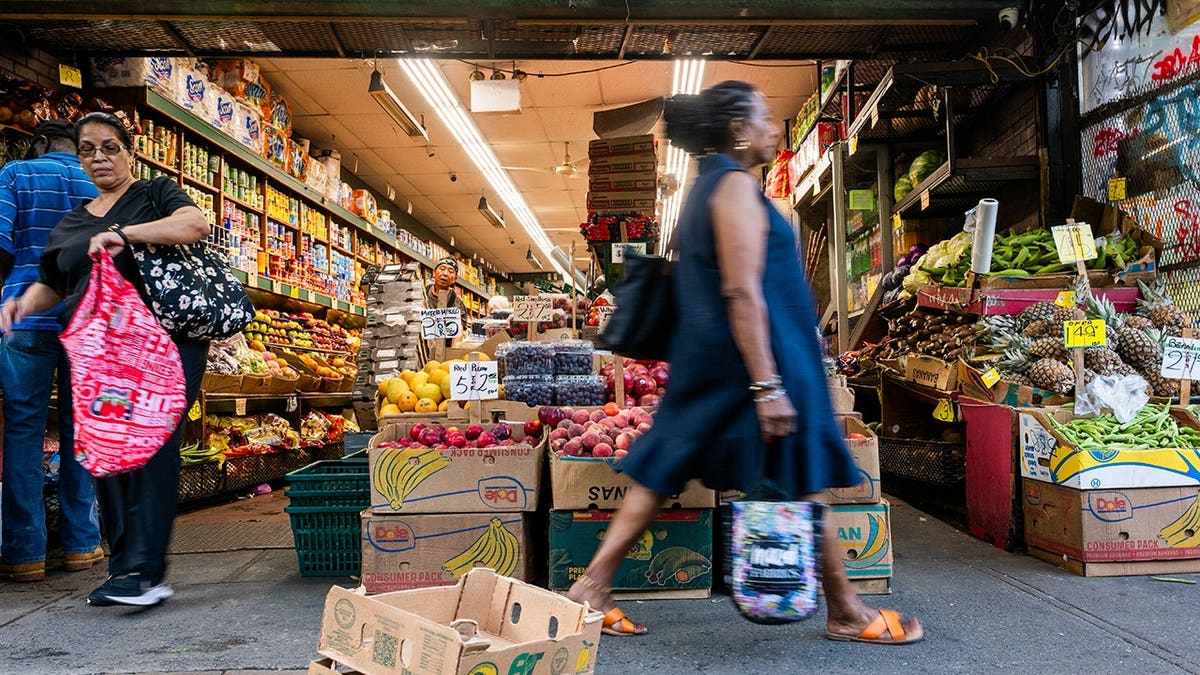
Democrats argue that crucial aspects like housing, groceries, health care, insurance, and child care relate to affordability concerns. They provide a lens for voters to view rising costs, thus organizing the messaging effectively. This strategy has allowed Democrats to frame the election around a primary defining factor from the voters’ perspective.
Despite having a variety of individual winning issues, Republicans have not managed to tie these issues together under one clear narrative. The closest Republicans come to a national stance is critiquing Democratic extremism and ideological stances, which do energize their base but begin with discussing Democrats rather than focusing directly on voters’ immediate needs.
Voters are more concerned with tangible issues like grocery prices, home affordability, insurance rates, and child care expenses than ideological questions. While Republicans have viable topics, they require voters to connect disparate points on their own, unlike Democrats who present a unified story.
Ultimately, defining the election’s narrative grants an advantage. A simplified understanding of the current political climate often wins over a lengthy list of individual issues. As the midterms approach, the party with the clearest messaging may hold an upper hand in influencing voter perceptions and decisions in the voting booths.