Trump Administration’s Nationwide Crackdown on Unemployment Benefit Fraud
The Trump administration has intensified efforts to combat unemployment benefit fraud through a nationwide initiative. This operation, initiated in Massachusetts, has led to 15 arrests, shedding light on the misuse of United States citizens’ identities by illegal immigrants to claim SNAP, disability, and Social Security benefits. The goal is to firmly prosecute those who exploit crucial programs.
Emerging Fraud Schemes
The Department of Labor (DOL) Inspector General has drawn attention to a new wave of online fraudsters, known as “fraudfluencers.” These individuals openly share strategies to exploit government programs, often taking a portion of the illegally obtained benefits themselves. DOL Inspector General Anthony P. D’Esposito underscores that this activity is not merely a trend but outright theft of taxpayer money, stating, “Fraud is not a trend or content; it’s theft of taxpayer dollars, and it will be prosecuted.”
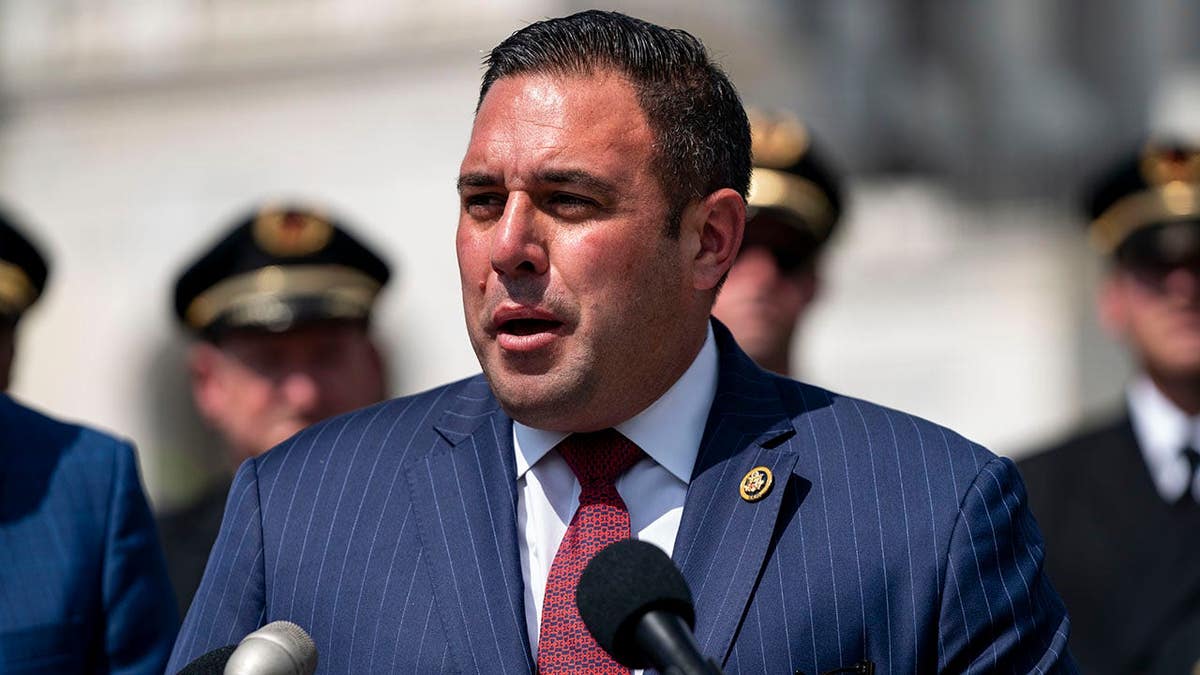
Former Representative Anthony D’Esposito, now serving as the DOL’s Inspector General, emphasizes the severity of this issue, presenting it as a betrayal of hardworking Americans.
Online Fraud Incidents
Notably, a California Employment Development Department (EDD) employee named Britteny Egland used social media platforms to encourage others to participate in fraudulent activities. She utilized insider knowledge and stolen identities to submit falsified unemployment insurance, grant, and rent relief applications. Her social media presence included nearly 10,000 followers on Instagram and over 1,500 followers on X. Egland boldly solicited collaboration in these fraudulent acts, accumulating $2.8 million from government funds.
Egland openly advertised services with posts urging followers to capitalize on programs they were ineligible for. Her messages, such as “New or regular claims only,” and “It’s a lot of money on the floor! Please don’t be stupid and miss out,” illustrate the growing normalization of fraud within social media circles.
Consequences and Legal Action
In June 2025, Egland faced legal repercussions by pleading guilty to wire fraud conspiracy, receiving a sentence of 60 months in federal prison, 36 months of supervised release, and a mandate to repay the entire $2.8 million stolen.
D’Esposito voiced concern over the glamorization of theft, stating, “What makes this increasingly dangerous is the growing effort by fraudsters on social media to glamorize and normalize stealing from their own communities — turning theft into entertainment and betrayal into a lifestyle.”
Efforts to eliminate fraud, championed by the White House Task Force, aim at imposing strict penalties on those abusing the system.
Continued Threats
Egland’s case is not an isolated incident. There have been instances of individuals leveraging social media to encourage theft and boast about gains. For example, Jonathan Dupiton received a seven-year federal prison sentence for fraudulent unemployment claims. Similarly, rapper Fontrell Antonio Baines exploited COVID-19 financial aid provisions and received a 77-month federal sentence.
D’Esposito highlights that, although the mindset surrounding criminal activities remains, the platforms used have evolved. There is a concerted effort to track and prosecute these digital footprints.