The Link Between Dark Under-Eye Circles and Low Iron Levels
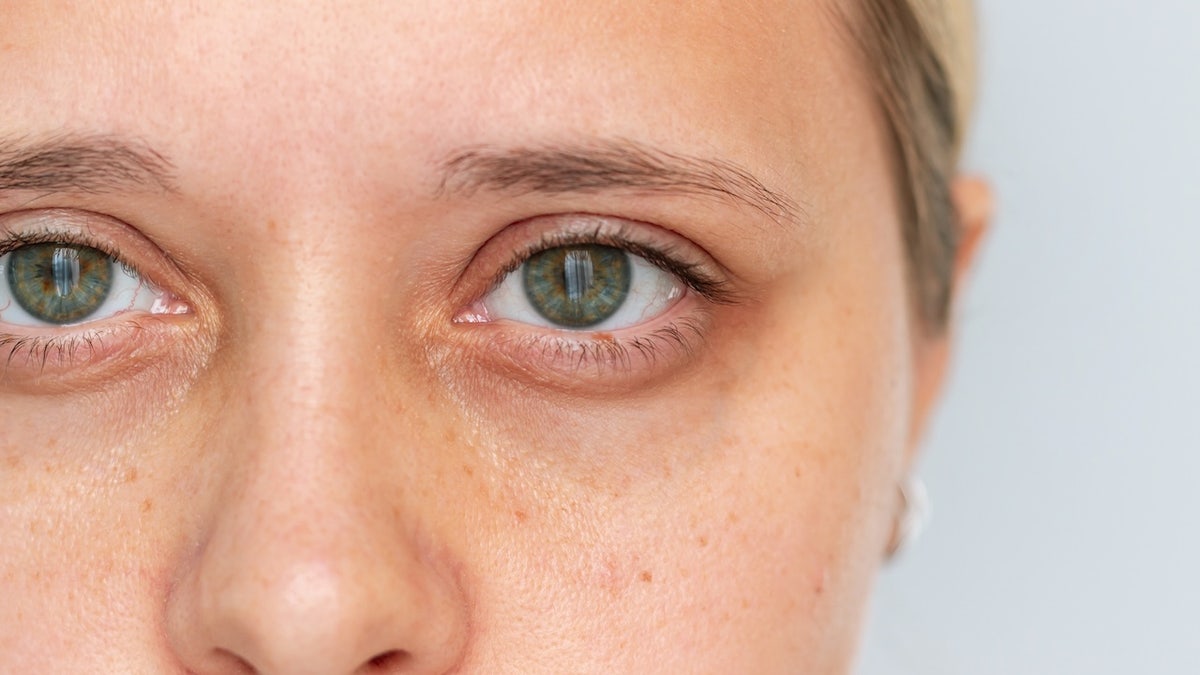
Dark under-eye circles may indicate more than a cosmetic issue. Doctors suggest these may sometimes signal low iron levels, a condition gaining attention on social media as “ferritin face.” Experts confirm this phenomenon has factual basis but with essential considerations.
Understanding Ferritin and Iron Levels
Ferritin acts as the body’s “iron storage vault,” explained Dr. Josef Hadeed, a plastic surgeon from Beverly Hills, California. Ferritin is a protein that stores iron in cells and releases it as needed. When ferritin levels are low, hemoglobin production can decrease. Hemoglobin is the iron-rich protein in red blood cells responsible for oxygen transportation.
According to Dr. Hadeed, lower iron levels can affect skin elasticity, making the tissue appear thinner and more fragile. This results in darker under-eye areas becoming more prominent.
Symptoms of Low Ferritin
Low ferritin may manifest in other symptoms beyond pale skin and dark circles. Texas-based hematology/oncology physician Dane Thomas shared symptoms like fatigue, dizziness, headaches, thin nails, hair loss, and cravings for ice. He also mentioned signs such as decreased exercise tolerance and shortness of breath.
Additional symptoms could involve ear “whooshing,” a sore tongue, rapid heartbeat, cold intolerance, and sleep disturbances, based on the American Society of Hematology guidelines.
Underlying Health Concerns
Beyond cosmetic appearances, ferritin face can indicate medical conditions like gastrointestinal disorders or cancers, noted hematological experts. Among bariatric surgery patients, iron deficiency occurs due to impaired absorption. Acid-suppressing medications like PPIs might also contribute to low iron levels.
Identifying and addressing the root cause of iron deficiency is crucial. Thomas collaborates with specialists to find underlying issues like blood loss or malabsorption. Pregnancy, heavy periods, and frequent blood donations may also lower iron levels, as can diets lacking iron-rich foods.
Diagnosis and Treatment
If low ferritin is suspected, consulting a physician is vital. Hadeed advises against self-treatment since excess iron can lead to liver and heart issues. A healthcare professional can perform a blood test to determine iron levels. Further evaluations may include stool and urine testing, endoscopy, and gynecological exams.
Iron deficiency treatments may involve oral supplements or, in severe cases, IV iron or blood transfusions. Oral iron often causes gastrointestinal side effects like nausea and constipation, but taking it every other day may help reduce these while ensuring absorption.
Dietary changes can also support iron levels. Recommended foods include red meat, poultry, fish, leafy greens, legumes, and iron-enriched grains. According to the American Society of Hematology, iron-rich diets boost ferritin, improving symptoms.
Although low iron levels can impact appearance, “ferritin face” is reversible. As iron stores replenish, skin gains a healthy glow, and dark circles diminish over several months, Dr. Hadeed said.
Written by Amy McGorry, contributing health writer for Fox News Digital.