Lung Disease Risk in Quartz Countertop Workers
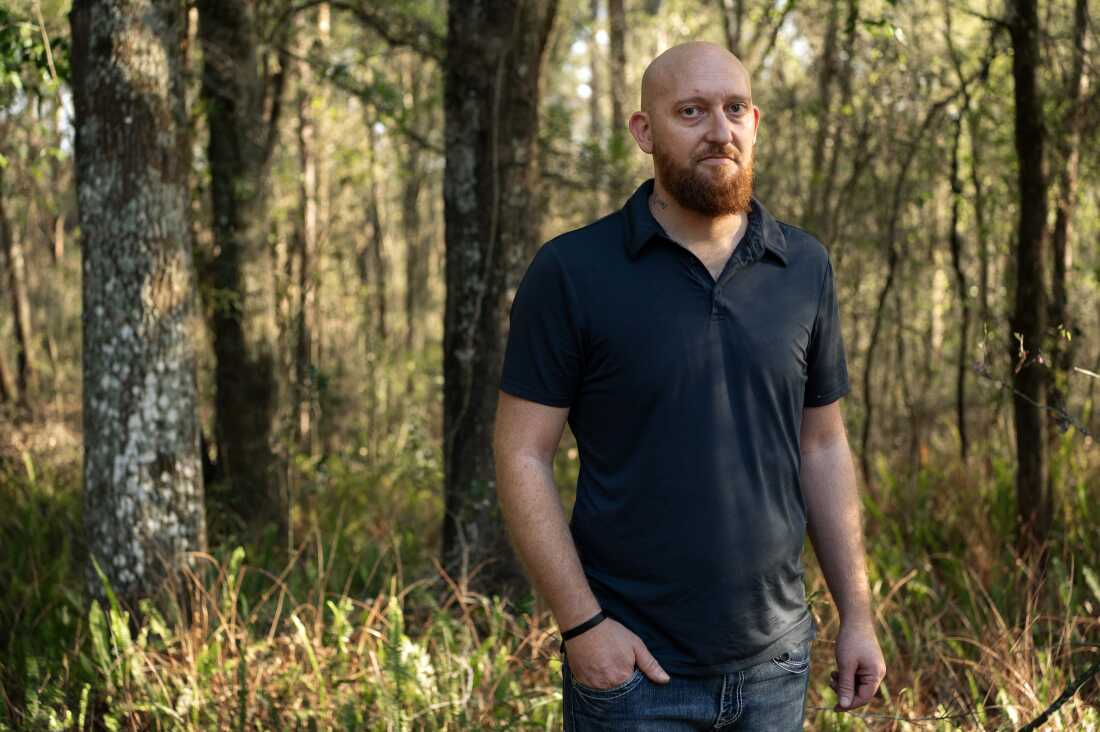
Wade Hanicker, residing near Tampa, Florida, began crafting countertops approximately 15 years ago. He employed saws and other power tools to cut and polish large stone slabs so they would fit seamlessly into customers’ kitchens and bathrooms. To protect himself from dust, he wore basic face masks. Hanicker mentions that the primary concern was physical injuries, not lung diseases.
Hanicker mainly worked with quartz, a widely used composite material made by mixing quartz mined from quarries with binders and pigments. Unlike granite or marble, manufactured quartz contains significantly more silica, which, if inhaled, can damage lungs. This risk has become evident in California, where over 550 countertop workers, mostly Hispanic men, have been stricken by silicosis, an irreversible lung disease. Over 30 cases have resulted in death, and more than 50 workers have required lung transplants.
California’s Response
On May 21, a California workplace safety board plans to vote on banning the cutting of high-silica quartz countertop materials. A group of doctors has petitioned for this ban, asserting that the severity of the disease could result from toxic exposure beyond silica, such as pigments or resins.
During a hearing in March, Rebecca Shult, a lawyer for Cambria, a major quartz company, objected to blaming a single subset of products for the diseases, questioning the terminology of ‘engineered stone silicosis’ used in California’s tracking dashboard. Meanwhile, other states, including Florida, have not reported similar cases to California.
Sickness Beyond California
David Michaels, an epidemiologist from George Washington University, suggests that many cases remain unrecognized nationwide due to lack of thorough investigation. He estimates a significant number of unreported cases in the U.S., where approximately 100,000 people work in this industry. Research in Australia has found over 10% incidence of lung disease among countertop workers there.
Hidden Diagnoses
Doctors often overlook silicosis, not routinely inquiring about occupational history. Misdiagnoses are common, as illustrated by Hanicker’s experience. About five years ago, he felt a painful knot under his shoulder, self-treated with ibuprofen until it worsened. Walked into emergency care due to his wife’s insistence, doctors initially diagnosed pneumonia, which worsened Hanicker’s condition.
After further testing confirmed silicosis, Hanicker and his wife faced a harsh reality, knowing he would likely need a lung transplant. In addition, he developed an autoimmune disease related to silica. Hanicker’s lawsuit targets the manufacturers, citing difficulties in his marriage and parenting due to his health.
Ongoing Legal Actions
Companies affirm that their products pose no danger if proper precautions are taken, such as using vacuum systems and water sprays to control dust. Attorney Khaled Taqi-Eddin, representing Cambria, highlights the importance of workplace safety for all high-silica material processing.
Despite safety measures, occupational health experts in California argue against the safety of quartz fabrication and installation. A recent Colorado lawsuit resulted in damages awarded to a worker diagnosed with silicosis after years in his family’s countertop business.
Prevention and Awareness
Doctors continue to uncover cases across several states, even though many remain unreported due to workers’ fears of job loss or deportation. Legal representatives like James Nevin, handling cases in about 25 states, emphasize these concerns.
With new cases emerging regularly, such as in Massachusetts and New York, experts suspect more undiscovered cases exist nationwide. California’s thorough tracking appears to be leading the way toward addressing this public health problem effectively.
Workplace Safety Initiatives
The Occupational Safety and Health Administration (OSHA) has initiated a targeted inspection program to address concerns, inspecting over 400 workplaces in 25 states. Despite efforts, many cases of exposure and misreporting continue. Experts like Kenneth Rosenman criticize the existing employment-based reporting system, asserting wide underreporting of occupational diseases like silicosis.
Moreover, new administration changes affected budgets and staff levels, complicating effective data gathering and actions. The need for extensive surveys and research in multiple states persists to get a complete picture of the issue.