Ocean Safety and Mediterranean Wildlife Concerns
Shark Attack Precautions
Jesse Watters recently hosted Chris Fischer, the founder of OCEARCH, discussing an increase in shark attacks this summer. Recent incidents include beach closures in New York due to bull sharks and attacks on a swimmer in Queens and a child in Florida. Fischer pointed out a recovery in shark populations to levels seen in the 1960s. He advised beachgoers to avoid swimming when bait fish are present to enhance safety.
Expanding Threat of Puffer Fish in the Mediterranean
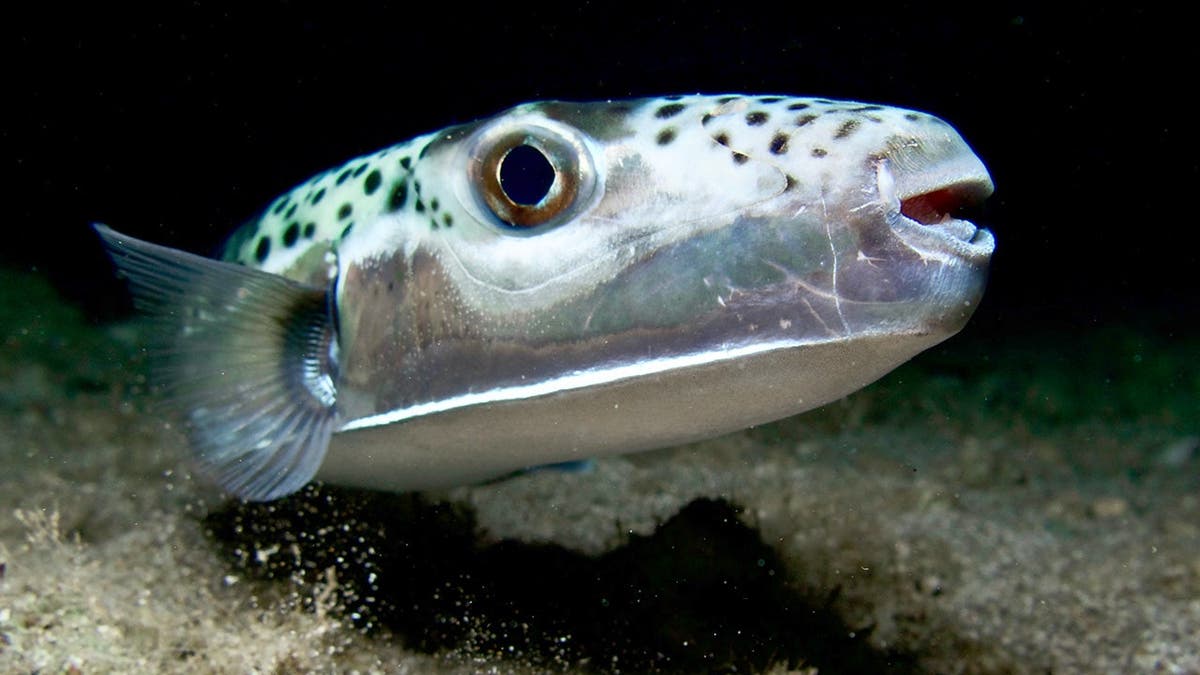
A species of puffer fish known for its toxic nature and strong jaws is increasing its range throughout the Mediterranean. Authorities have warned tourists about potential bites from the silver-cheeked toadfish, also known as harefish. These fish invaded via the Suez Canal, aided by warming sea temperatures. They contain tetrodotoxin, a dangerous neurotoxin mainly in their flesh and internal organs, and can damage fishing gear and even bite through bone.
“The number of recorded incidents greatly increased after 2019, especially with regard to poisonings,” according to a 2024 study in the journal Toxics.
This study documented 198 human-health incidents related to the fish between 2004 and 2023. These included 28 physical attacks, at least 144 non-lethal poisoning cases, and 27 fatalities from consuming the fish.
The Hellenic Red Cross issued a warning about the fish’s potent toxin, tetrodotoxin, which makes it extremely dangerous to eat. Although the fish’s bite is not venomous, its jaws can cause severe injuries. Greek authorities have implemented floating barriers in the Gulf of Euboea and offered bounties to fishermen for capturing these fish.
Not all pufferfish are poisonous. Toxicity varies greatly among species. Farm-raised pufferfish that do not eat toxin-containing prey remain non-toxic.