Record Heat Wave Hits East Asia, Escalates Crisis
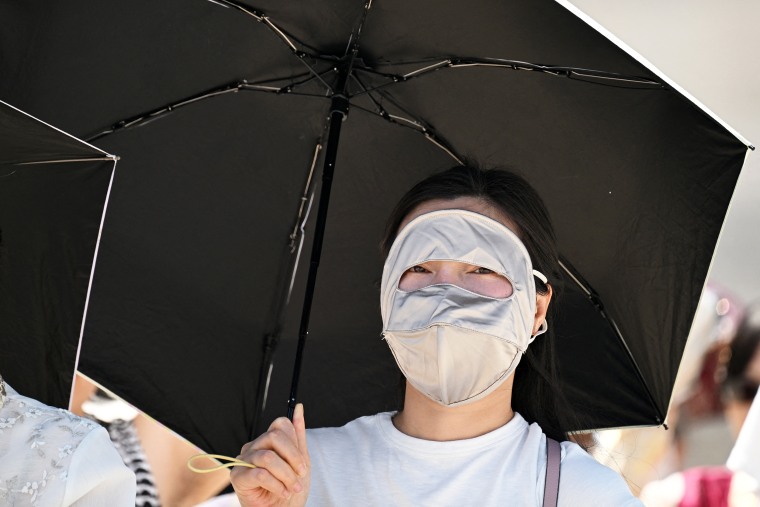
On August 4, 2026, a severe heat wave affected much of East Asia, setting a new temperature record in South Korea and complicating earthquake recovery in Japan. In South Korea, this heat wave led to 19 deaths since mid-May. President Lee Jae Myung deemed it a national disaster, urging a complete overhaul of the national crisis system due to increasingly normal extreme weather patterns.
High temperatures were recorded at 42.5 degrees Celsius (108 Fahrenheit) in Yangsan, marking the highest in 122 years. With temperatures rising northward towards Seoul, the Korea Meteorological Administration issued its “severe” heat wave warning. This advisory was in place for the entire city of Seoul for the first time, targeting areas where the perceived temperature surpassed 38 degrees Celsius (100.4 F).
It’s vital to stay indoors, stay hydrated, and check on vulnerable groups amidst this severe weather.
In North Korea, rising temperatures prompted state newspaper Rodong Sinmun to warn residents against outdoor activities and advise farmers to protect their crops.
Japan faced temperature challenges above 100 degrees Fahrenheit following a 7.1-magnitude earthquake in Kumamoto prefecture on July 28. Nearly 40,000 households lack water, and many remain in emergency shelters or sleep in their cars, fearing further tremors. Tragically, a woman in her 70s succumbed to apparent heat stroke while sheltering in her car, raising the death toll to 38.
Kumamoto Governor Takashi Kimura called the death “heartbreaking” and urged displaced residents to keep air-conditioning running or use air-conditioned evacuation centers. He highlighted the additional hardship of “abnormal heat.”
Prime Minister Sanae Takaichi affirmed a continuous water supply to evacuation centers and essential facilities, promising rapid restoration of household services. She addressed the needs during a visit to a Hikawa evacuation center.
Heat-related deaths extended to the animal kingdom. At the Tama Zoological Park near Tokyo, three lions died from suspected heat causes. Despite measures to cool them down, signs of distress appeared in 10 of the 16 lions, with three females succumbing to dehydration and organ failure.
The Japan Meteorological Agency introduced the term “kokushobi” or “cruelly hot day,” describing temperatures over 40 degrees Celsius (104 F). This term emerged after garnering more than 200,000 public votes.
Last August, the highest recorded temperature in Japan was 41.8 degrees Celsius (107.2 F) in Isesaki.